Scientists Find Why Cancer Drugs Fail Some Patients
British researchers discovered why identical cancer treatments work brilliantly for some patients but fail others. The breakthrough could help doctors personalize therapies and save thousands of lives.
Cancer doctors have long faced a frustrating puzzle: the same drug that saves one patient's life barely touches another's tumor. Now scientists at the MRC Laboratory of Medical Sciences have cracked a major piece of that mystery.
The team studied PARP inhibitors, powerful drugs used to treat ovarian, breast, and prostate cancers. Using advanced imaging technology, they watched these drugs move through real tumor tissue from patients. What they found changes how we think about cancer treatment.
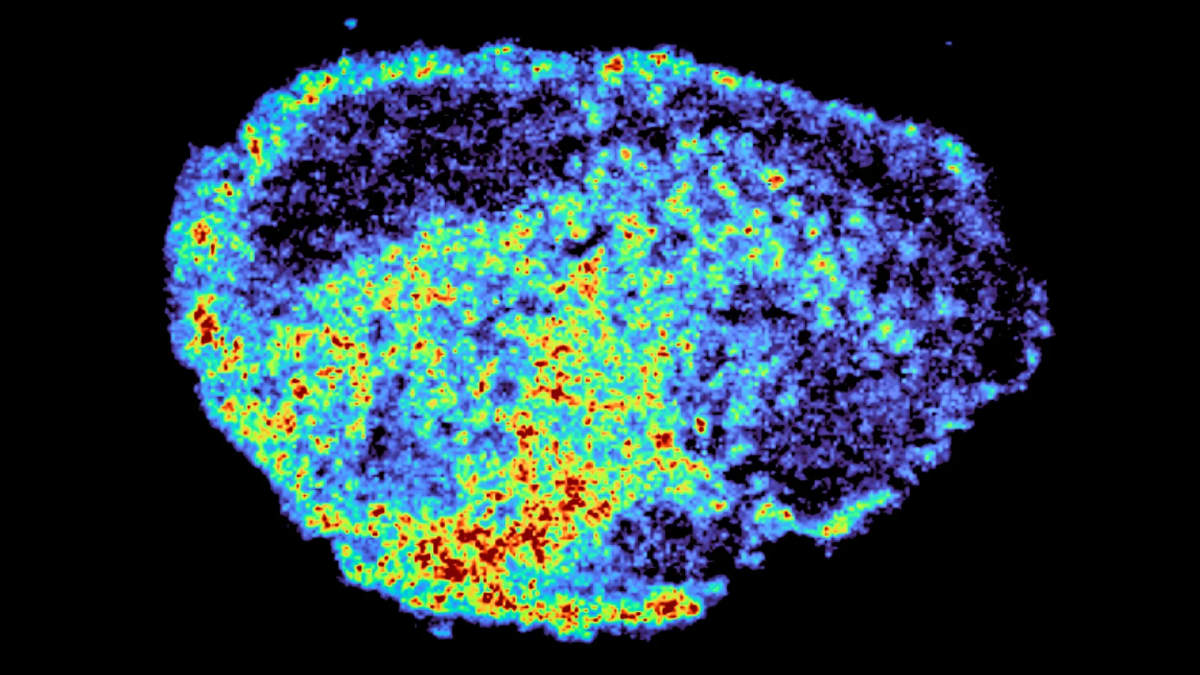
The drugs don't spread evenly. Instead, they get trapped inside tiny structures called lysosomes, which act like storage units inside cells. Some cancer cells end up flooded with medicine while neighboring cells get almost none.
Dr. Louise Fets, who led the study, explains it simply: lysosomes act as slow-release reservoirs. They hold onto drugs and release them gradually, creating hotspots of high concentration in some areas and cold zones in others.
The discovery gets more interesting. Not all PARP inhibitors behave the same way. Drugs like rucaparib and niraparib get trapped in these storage pockets, while olaparib flows freely. This explains why switching medications sometimes transforms a failing treatment into a successful one.
The research team used tumor slices kept alive in the lab, letting them map exactly where drugs accumulated. When they compared gene activity in high-drug versus low-drug zones within the same tumor, the differences were striking.
Why This Inspires
This breakthrough opens doors that seemed locked just months ago. Doctors may soon analyze a patient's tumor to predict which PARP inhibitor will work best before starting treatment, sparing people from months of ineffective therapy.
The implications reach beyond ovarian cancer. PARP inhibitors are being tested for dozens of cancer types, and understanding drug distribution could improve outcomes across the board. Thousands of patients who currently experience treatment failure might benefit from more targeted approaches.
Dr. Carmen Ramirez Moncayo, the study's first author, was surprised by how much variation existed even at the single-cell level. That variability, once a mystery, is now becoming a roadmap for better treatment.
The team plans to expand their research using larger patient groups and animal models. They want to understand how blood vessel patterns in tumors and other factors influence drug distribution in real-world conditions, including when cancer returns after initial treatment.
For patients facing cancer today, this research represents something precious: the promise that tomorrow's treatments will be smarter, more personalized, and more effective than ever before.
Based on reporting by Google News - Scientists Discover
This story was written by BrightWire based on verified news reports.
Spread the positivity!
Share this good news with someone who needs it