
Scientists Find Why Obesity Drugs Work Better for Some
New research reveals genetic variants that explain why weight-loss drugs like semaglutide help some people lose 25% of their body weight while others see minimal results. The discovery could pave the way for more personalized treatments.
Scientists just unlocked a piece of the puzzle that's been frustrating doctors and patients alike: why do obesity drugs work incredibly well for some people but barely budge the scale for others?
A groundbreaking study published in Nature examined nearly 28,000 people who used DNA testing service 23andMe and took weight-loss medications. Researchers found specific genetic variants that influence how well these drugs work and who experiences side effects like nausea.
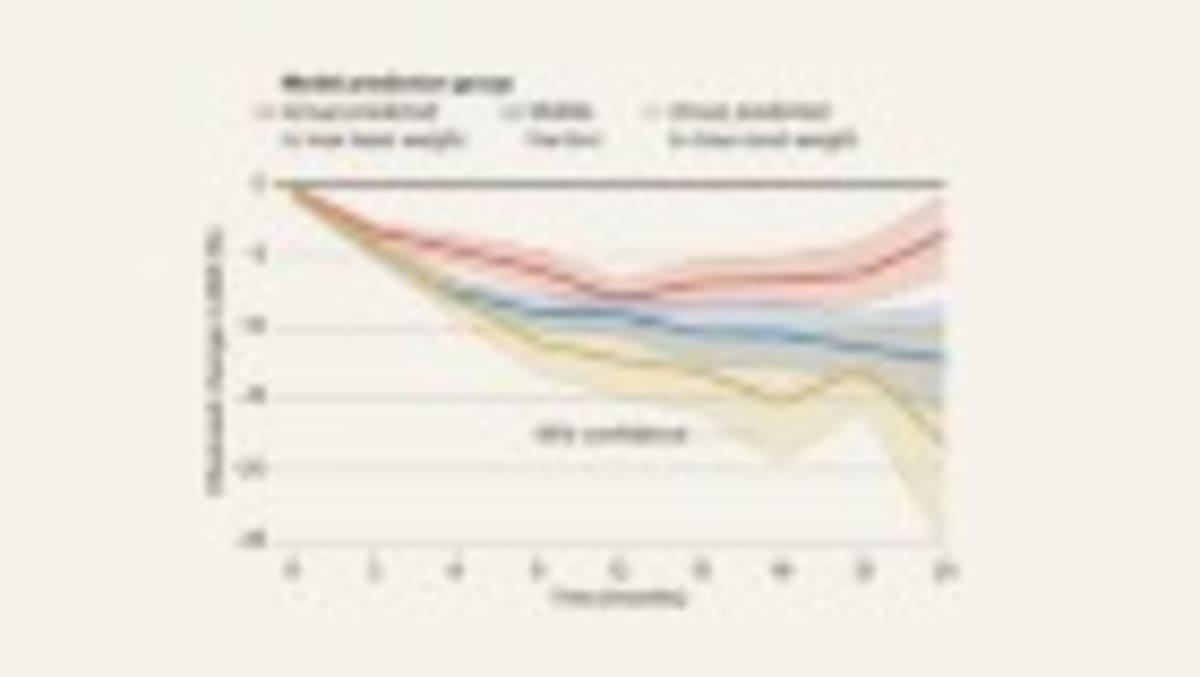
The numbers tell a striking story. In previous studies, people taking semaglutide (a GLP-1 drug) lost an average of 10% of their body weight. But the range was enormous: some people shed more than 25% while others lost almost nothing.
The research team discovered that people carrying one copy of a specific variant in the gene encoding the GLP-1 receptor lost an extra 0.76 kilograms over eight months compared to people without the variant. Those with two copies lost about 1.5 kilograms more.
While that might sound modest, the researchers found something even more significant. The genetic links to side effects were much stronger, which could help doctors predict who might struggle with nausea and other uncomfortable reactions.
The Bright Side
This research represents a major step toward personalized medicine for obesity treatment. Right now, patients and doctors often play a frustrating guessing game with these medications, not knowing who will respond well until they try.
Adam Auton, vice president of human genetics at 23andMe Research Institute, points out that genetics is just one piece of the weight-loss puzzle. Many factors influence results, but understanding the genetic component gives doctors one more tool to help patients succeed.
The timing couldn't be better. Dozens of new obesity drugs are in development, and this genetic insight could help match people with the treatments most likely to work for them from the start.
Andrea Ganna, a health data scientist at the University of Helsinki, notes that while the genetic effect on weight loss is relatively small, the large sample size makes the findings compelling and sets the stage for future discoveries.
As researchers continue unraveling the genetic factors behind drug response, millions of people struggling with obesity could find treatments tailored specifically to their body's unique blueprint.
More Images


Based on reporting by Google News - Health
This story was written by BrightWire based on verified news reports.
Spread the positivity!
Share this good news with someone who needs it