Scientists Find Why Wounds Won't Heal and How to Fix Them
Researchers discovered that a common bacterium doesn't just resist antibiotics—it actively stops wounds from healing by releasing damaging molecules. A simple antioxidant treatment could help millions with chronic wounds heal again.
A common bacterium has been sabotaging wound healing all along, and scientists finally know how to stop it.
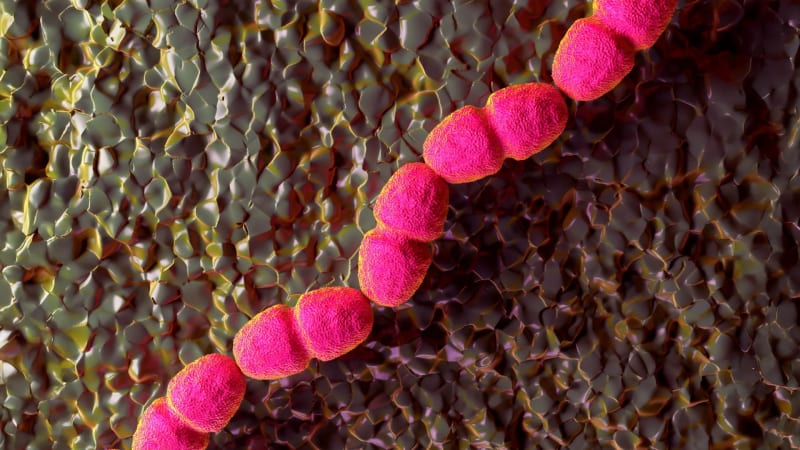
An international team led by Nanyang Technological University in Singapore uncovered why some wounds refuse to close, even with antibiotics. The culprit is Enterococcus faecalis, a bacterium found in chronic wounds like diabetic foot ulcers that affects 18.6 million people worldwide each year.
The discovery changes everything doctors thought they knew about why these wounds stay open. Instead of just resisting drugs, the bacteria actively releases hydrogen peroxide that overwhelms skin cells and paralyzes their ability to repair damaged tissue.
Research Fellow Dr. Aaron Tan found that the bacteria uses a metabolic process that continuously produces this damaging molecule. When it floods into nearby skin cells, it triggers a stress response that essentially freezes the cells in place, preventing them from moving into the wound area to seal it.
The team tested their theory by creating a modified version of the bacteria without this metabolic pathway. These altered bacteria could no longer block wound healing, confirming that the process was the real problem.
Then came the breakthrough. When researchers treated the stressed skin cells with catalase, a naturally occurring antioxidant enzyme that breaks down hydrogen peroxide, the cells recovered completely and regained their ability to heal wounds.
This matters enormously for people with diabetes. Over a lifetime, one in three people with diabetes will develop a foot ulcer, and these wounds are a leading cause of lower limb amputations.
The Bright Side
This discovery offers a way forward that doesn't rely on antibiotics at all. Instead of trying to kill increasingly resistant bacteria, doctors could neutralize the harmful substances they produce.
Associate Professor Guillaume Thibault explains the shift: "Instead of targeting the source, we neutralize the actual cause of the chronic wounds—the reactive oxygen species." It's a strategy that sidesteps antibiotic resistance entirely.
In Singapore alone, more than 16,000 cases of chronic wounds are reported annually, particularly among older adults. The findings, published in Science Advances, could transform treatment for millions trapped in cycles of repeated complications and surgeries.
The approach is surprisingly simple. Rather than developing new drugs, researchers are working with antioxidants that already exist in nature to restore the body's own healing abilities.
For families watching loved ones struggle with wounds that won't heal, this research brings something that's been missing: hope backed by science.
Based on reporting by Google News - Scientists Discover
This story was written by BrightWire based on verified news reports.
Spread the positivity!
Share this good news with someone who needs it