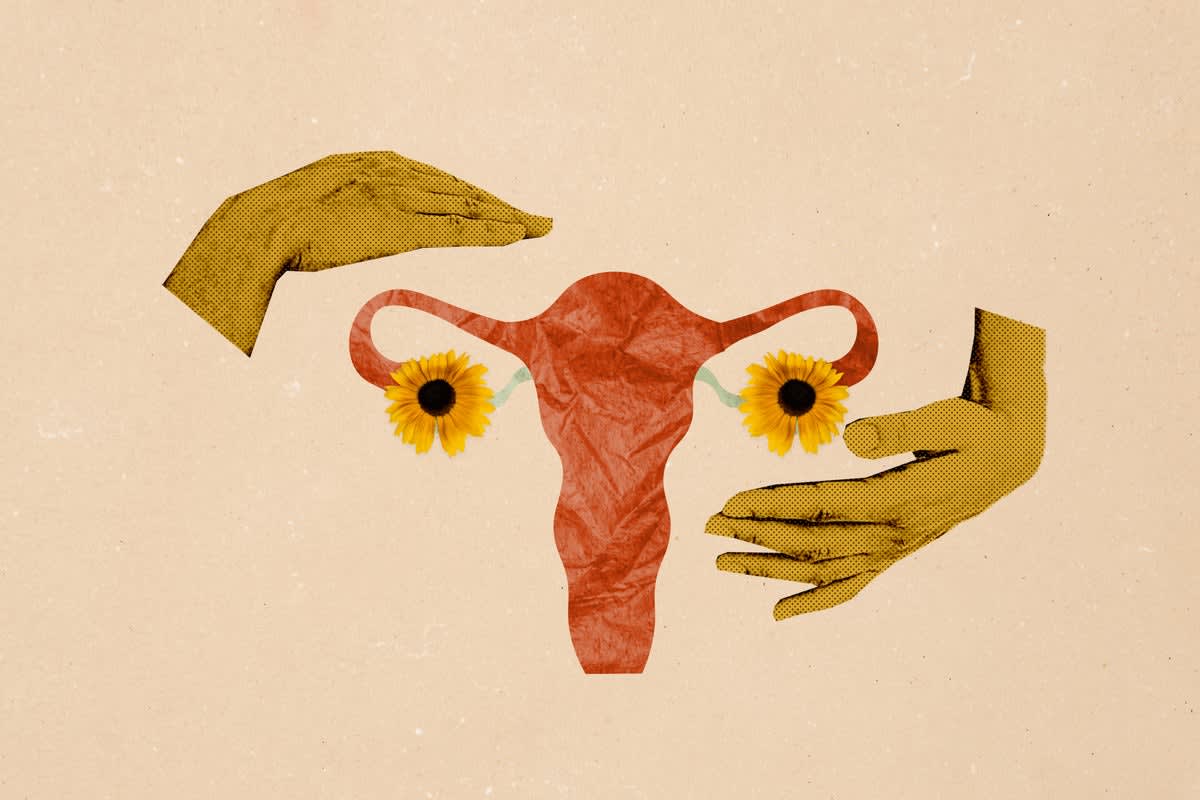
Scientists Find Women May Make New Eggs After All
For 70 years, scientists believed women were born with all their eggs. New research suggests that belief might be completely wrong.
The textbooks might need a major rewrite. After seven decades of teaching that women are born with a finite supply of eggs that only depletes with age, scientists are discovering something remarkable: adult ovaries may actually produce new eggs throughout life.
The old story seemed ironclad. In the 1950s, scientist Solly Zuckerman counted eggs in animals at different life stages and didn't see new ones forming. His conclusion became gospel in reproductive biology for generations.
But the math never quite added up. Jonathan Tilly, a biologist at Northeastern University, noticed that eggs die off at a rate that didn't match the numbers remaining later in life. Something had to be replacing them.
In 2004, Tilly proposed that specialized stem cells called oogonial stem cells, or OSCs, were making new eggs in adult ovaries. The idea was controversial, but evidence kept mounting. By 2009, researchers in China successfully isolated these cells from adult mice and watched them form new egg cells.
The breakthrough came in 2017 when Tilly's team engineered mice so any newly formed eggs would glow fluorescent green under a microscope. The glowing eggs appeared throughout the mice's lives and could even produce healthy offspring.
These stem cells exist in human ovaries too. In 2012, Tilly found them in adult human tissue. By 2023, his team discovered that while the cells persist into old age, they seem to lose their egg-making ability as key genes shut down. That pattern appeared in both mice and human tissue.
Not everyone is convinced. Some scientists remain skeptical of the methods used to identify these cells. But Evelyn Telfer, a reproductive biology researcher at the University of Edinburgh, changed her mind after working directly with human ovarian tissue. She watched the cells transform into structures that looked like follicles, the tiny sacs where eggs develop.
Nearly 100 peer-reviewed papers from labs around the world now support the existence of these special stem cells. The question has shifted from "do they exist?" to "what can they do?"
Why This Inspires
For millions of women facing infertility or early menopause, this research opens doors that seemed permanently closed. If ovaries can potentially be coaxed into making new eggs, reproductive aging might not be the one-way street we thought it was.
The science is still developing, and researchers aren't yet sure if these cells can produce viable human eggs. But the discovery challenges one of biology's most fundamental assumptions about how female bodies work.
Menopause has long been viewed as the inevitable end of a fixed egg supply. This research suggests the ovary is far more dynamic than anyone imagined, and what seemed like biological fate might actually be reversible.
More Images



Based on reporting by Scientific American
This story was written by BrightWire based on verified news reports.
Spread the positivity!
Share this good news with someone who needs it