Scientists Find "Zombie Cells" May Fight Aging After All
Aging cells once thought to be harmful may actually protect your body, leading to smarter anti-aging treatments. Researchers are now developing precision therapies that target only the bad cells while keeping the helpful ones alive.
The cells scientists blamed for aging might actually be keeping you healthy.
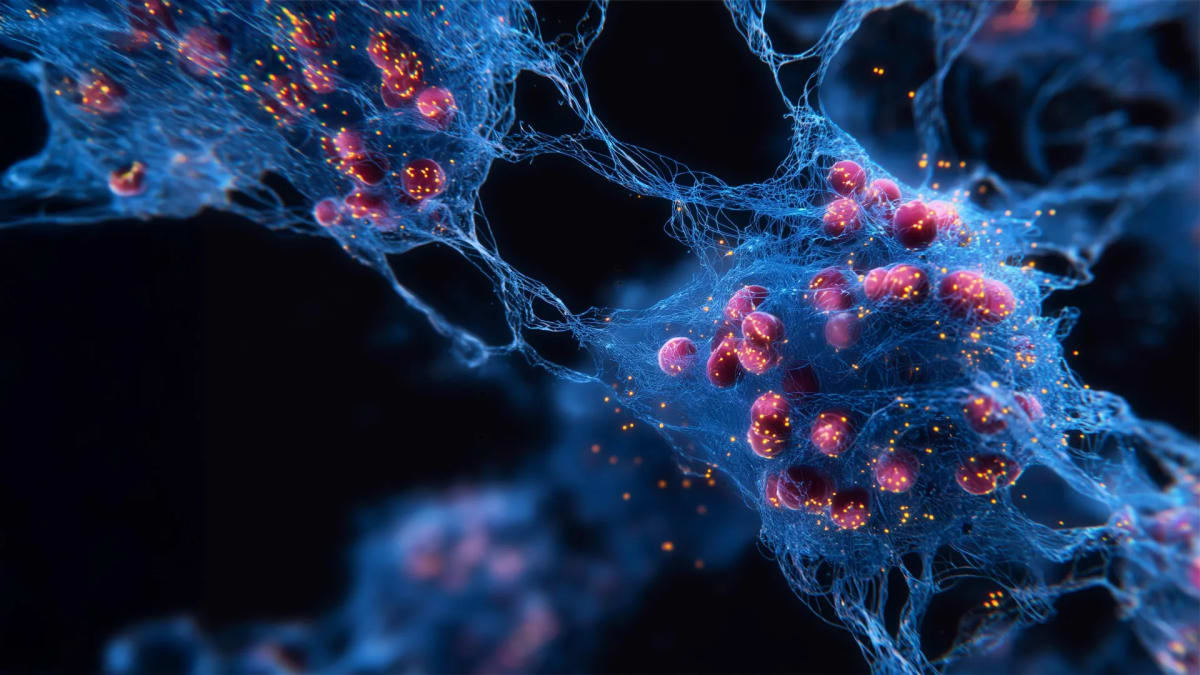
Researchers have discovered that senescent cells, nicknamed "zombie cells" because they stop dividing but refuse to die, aren't the villains they once seemed. A groundbreaking review published in May 2026 reveals these aging cells play wildly different roles depending on where they live in your body and what they're doing there.
For years, scientists targeted these cells as prime suspects in age-related disease. They pile up as we age and release inflammatory molecules that damage surrounding tissue. They've been linked to everything from heart disease to declining organ function.
But the full picture is far more interesting. Some senescent cells actually help heal wounds, maintain tissue balance, and guide healthy development. The problem isn't zombie cells themselves but which ones stick around and where.
Led by researchers Jian Deng and Dong Yang from West China Hospital's Cancer Center, the review examined how these cells behave across the liver, lungs, kidneys, heart, brain, skin, and fat tissue. In each organ system, certain senescent cells protect while others destroy.
This discovery is already changing how scientists approach anti-aging medicine. Early drugs like dasatinib and quercetin tried to eliminate all senescent cells at once. That's like removing every immune cell because some cause inflammation.
Why This Inspires
The newest therapies take a surgical approach instead of a sledgehammer. Scientists are developing CAR-T cell treatments that hunt down only harmful zombie cells while leaving beneficial ones untouched. Other "senomorphic" drugs don't kill the cells but simply quiet their inflammatory signals.
The concept researchers call "precision geroprotection" could transform aging from an inevitable decline into something we can manage. Technologies like single-cell analysis and spatial profiling are helping scientists map exactly which senescent cells help and which ones hurt.
The path forward still has obstacles. Doctors need better ways to identify good zombie cells from bad ones. Treatments must reach the right tissues without damaging healthy organs. And scientists are still learning how these cell populations shift over time in different parts of the body.
Removing the wrong senescent cells could accidentally interfere with wound healing, immune function, or blood vessel stability in sensitive organs like the heart and brain. That's why precision matters more than power.
What once seemed like a simple problem turns out to be beautifully complex, and that complexity might be exactly what leads to real solutions for healthier aging.
Based on reporting by Science Daily
This story was written by BrightWire based on verified news reports.
Spread the positivity!
Share this good news with someone who needs it