Scientists Freeze and Revive Brain Tissue for First Time
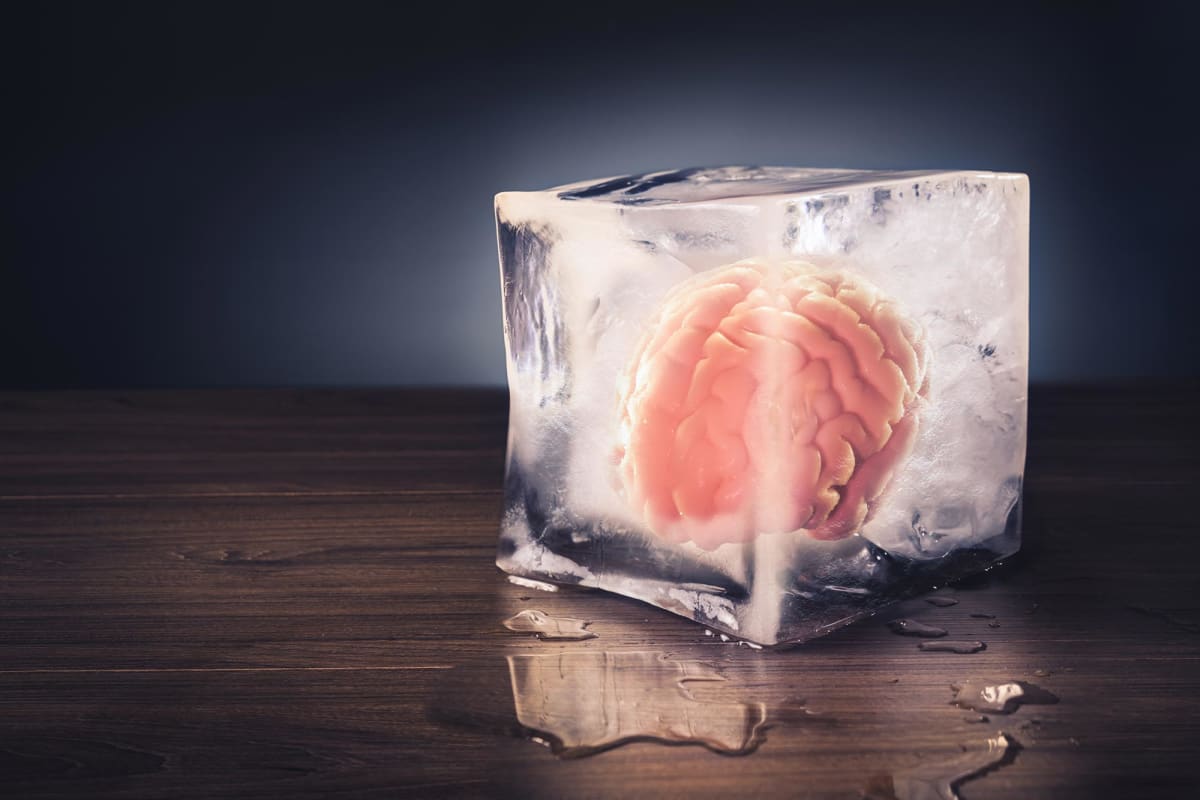
German researchers successfully froze brain tissue to -130°C and revived it with full function intact, bringing science fiction closer to reality. The breakthrough could transform how we treat incurable diseases and even make long-distance space travel possible.
Scientists just cracked a problem that has stumped researchers for decades: how to freeze living brain tissue and bring it back to life without losing any of its function.
A team at Uniklinikum Erlangen in Germany took inspiration from an unlikely hero. The Siberian salamander can survive frozen solid in permafrost at 50 degrees below zero for years, then wake up and resume normal life when temperatures warm.
The secret lies in nature's antifreeze. The salamander's liver produces glycerol, an alcohol that prevents deadly ice crystals from forming inside cells. Those crystals normally act like tiny knives, shredding the delicate structures that make tissues work.
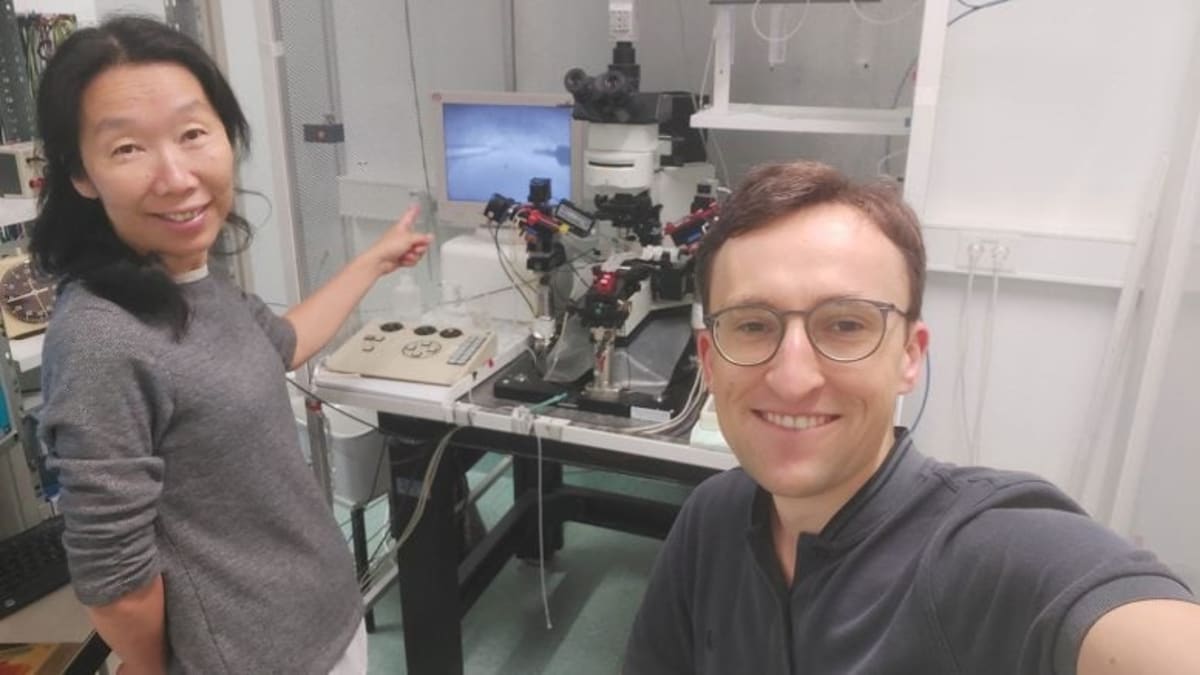
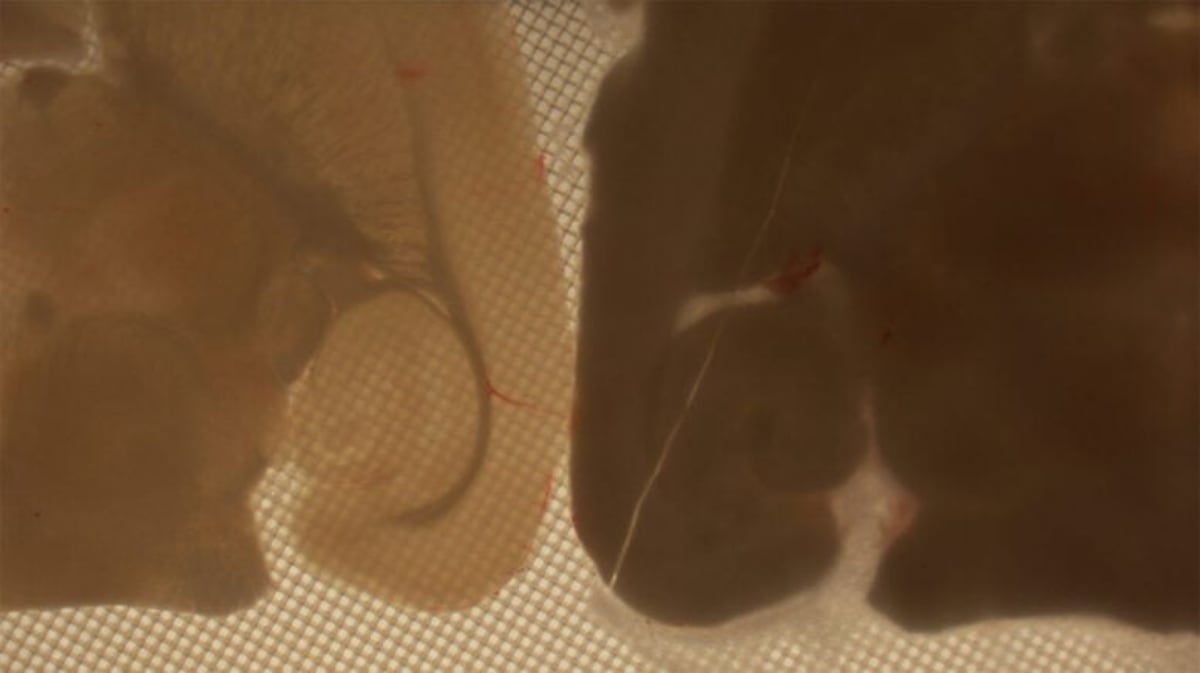
Dr. Alexander German and his team adapted this natural strategy to preserve the most complex tissue in the body. They optimized a mix of protective chemicals and a careful cooling process to freeze sections of a rodent brain's hippocampus, the region responsible for memory.
The results stunned even the researchers. After cooling the tissue to -130 degrees Celsius and thawing it, the nerve cells spontaneously started firing electrical signals again. Even more remarkable, the synapses (the tiny connection points between brain cells) remained perfectly intact at the microscopic level.
Dr. Fang Zheng confirmed that the tissue could still perform long-term potentiation, the cellular process that strengthens frequently used connections. This mechanism is exactly how our brains learn new skills and form lasting memories.
The tissue didn't just survive. It worked exactly as it should.
The Ripple Effect
This discovery opens doors scientists didn't even know existed. Surgeons who remove brain tissue during epilepsy operations could now freeze those samples for years, then test new medications on them later when treatments improve.
Researchers studying Alzheimer's, Parkinson's, and other brain diseases could preserve diseased tissue indefinitely. That means studying the same sample over decades as new technologies emerge.
The applications stretch even further into the future. German envisions placing people with currently incurable diseases into artificial hibernation until treatments become available. Space agencies exploring missions to distant planets could use similar techniques to preserve astronauts during years-long journeys.
The method works by turning water inside cells into a glass-like state rather than ice. Glass is solid but its molecules stay randomly arranged instead of forming the sharp, orderly crystals that damage tissue.
Previous attempts at vitrification destroyed the intricate networks connecting brain cells. Even when individual cells survived, the tissue couldn't function. This team solved that challenge through years of careful refinement.
What seemed like pure science fiction a generation ago just became laboratory reality.
More Images

Based on reporting by Google News - Scientists Discover
This story was written by BrightWire based on verified news reports.
Spread the positivity!
Share this good news with someone who needs it