Scientists Freeze and Revive Mouse Brains With Function Intact
German researchers successfully froze mouse brains, stored them for up to a week, then thawed them with neurons firing and memory pathways working. The breakthrough brings science fiction closer to reality and could one day help preserve brains during injury or disease.
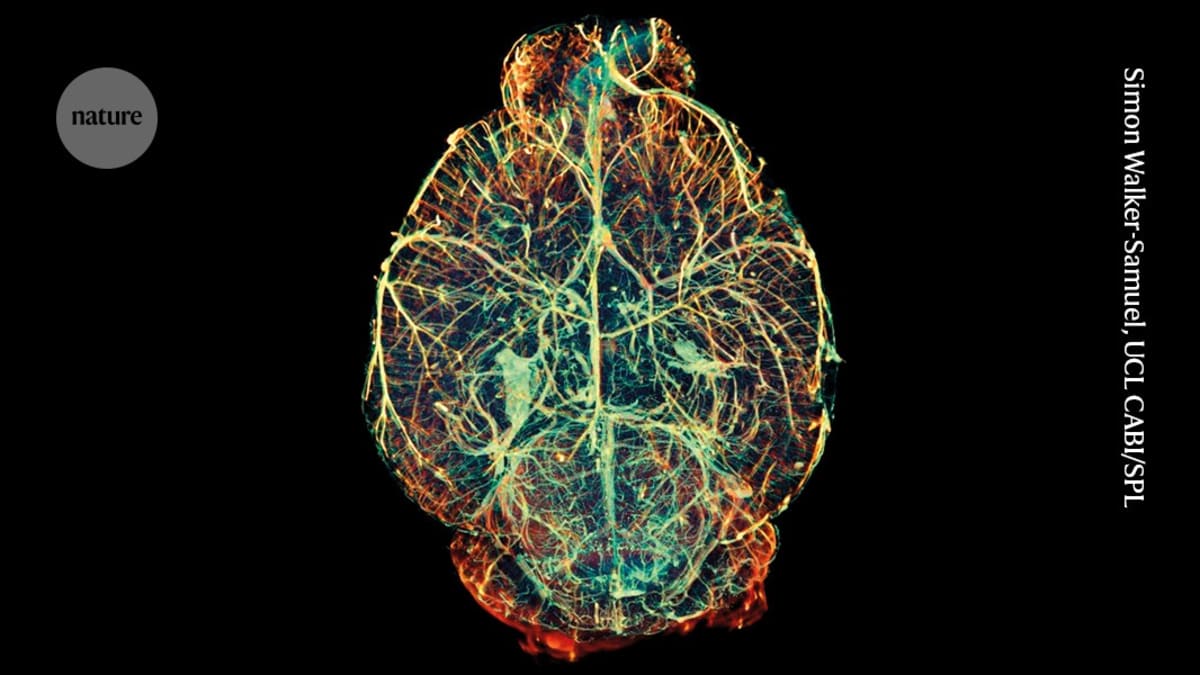
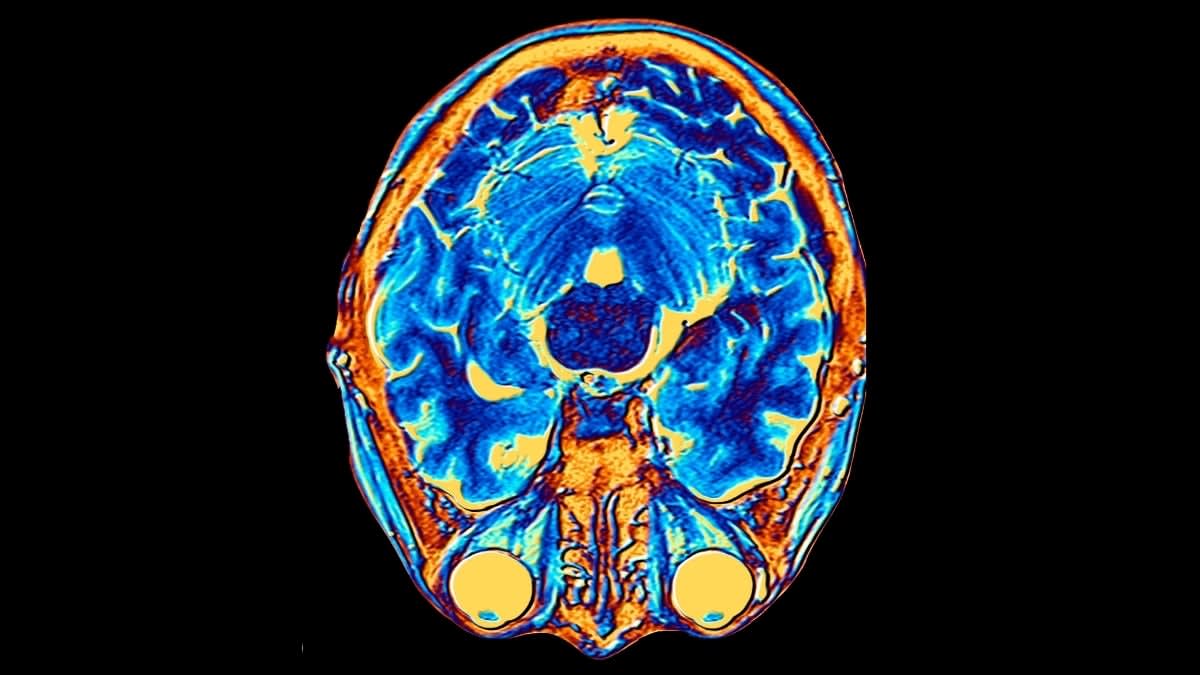
Scientists just achieved something that sounds straight out of a sci-fi movie: they froze mouse brains, thawed them, and got them working again.
Researchers at the University of Erlangen-Nuremberg in Germany used a special ice-free freezing method called vitrification to preserve thin slices of mouse brain tissue at temperatures colder than -300°F. After storing them for up to seven days and carefully warming them back up, the neurons fired electrical signals, memory pathways functioned, and cells showed no metabolic damage.
"If brain function is an emergent property of its physical structure, how can we recover it from complete shutdown?" asks Alexander German, the neurologist who led the study. His team just answered that question in a way no one has before.
The secret lies in avoiding ice crystals, which typically puncture and destroy delicate brain tissue during freezing. Instead of letting water freeze normally, vitrification cools tissue so rapidly that molecules get trapped in a glass-like state before ice can form. The researchers treated 350 brain slices with special cryopreservation chemicals, then flash-froze them in liquid nitrogen.
When they examined the thawed tissue, they found something remarkable. The neurons' electrical responses to stimulation were nearly normal. The hippocampus, the brain's memory center, still showed the synaptic strengthening that underlies learning. Under the microscope, neuronal and synaptic membranes looked intact.
Previous attempts at freezing and reviving brain tissue have shown that individual cells can survive the process. But this study goes further by demonstrating that the complex interactions necessary for actual brain function, including neuronal firing and plasticity, can restart after complete molecular shutdown.
Why This Inspires
This breakthrough doesn't just push the boundaries of what's scientifically possible. It opens doors to real-world applications that could help people facing devastating brain injuries or neurological diseases.
Future possibilities include protecting brains during trauma, creating organ banks for transplantation, and even whole-body preservation of mammals. While those applications remain years away, mechanical engineer Mrityunjay Kothari notes that "this kind of progress is what gradually turns science fiction into scientific possibility."
The leap from frozen brain slices to preserving whole organs or bodies is enormous, requiring solutions to challenges the team hasn't yet tackled. But every giant leap begins with a single breakthrough, and this one proves that complete molecular shutdown doesn't have to mean permanent loss of function.
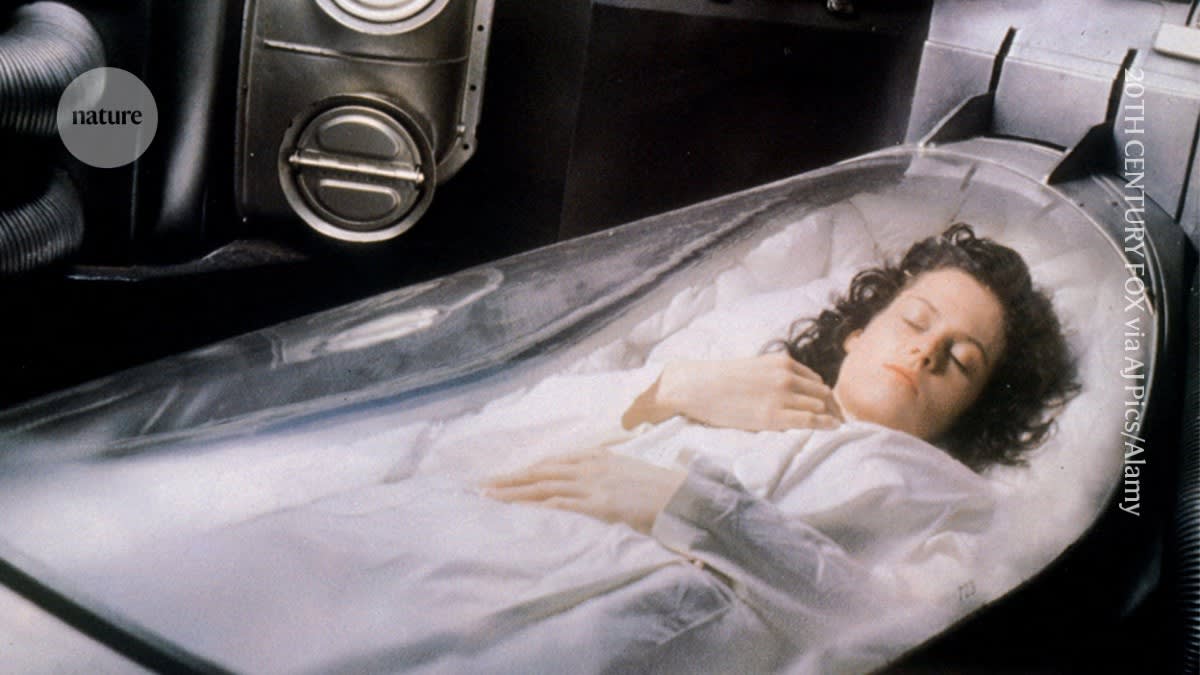
Science fiction writers have imagined cryogenic sleep for decades, but German and his colleagues just brought us closer to making it real.
More Images


Based on reporting by Nature News
This story was written by BrightWire based on verified news reports.
Spread the positivity!
Share this good news with someone who needs it