Scientists Gene-Edit Bitter Taste Out of Grapefruit
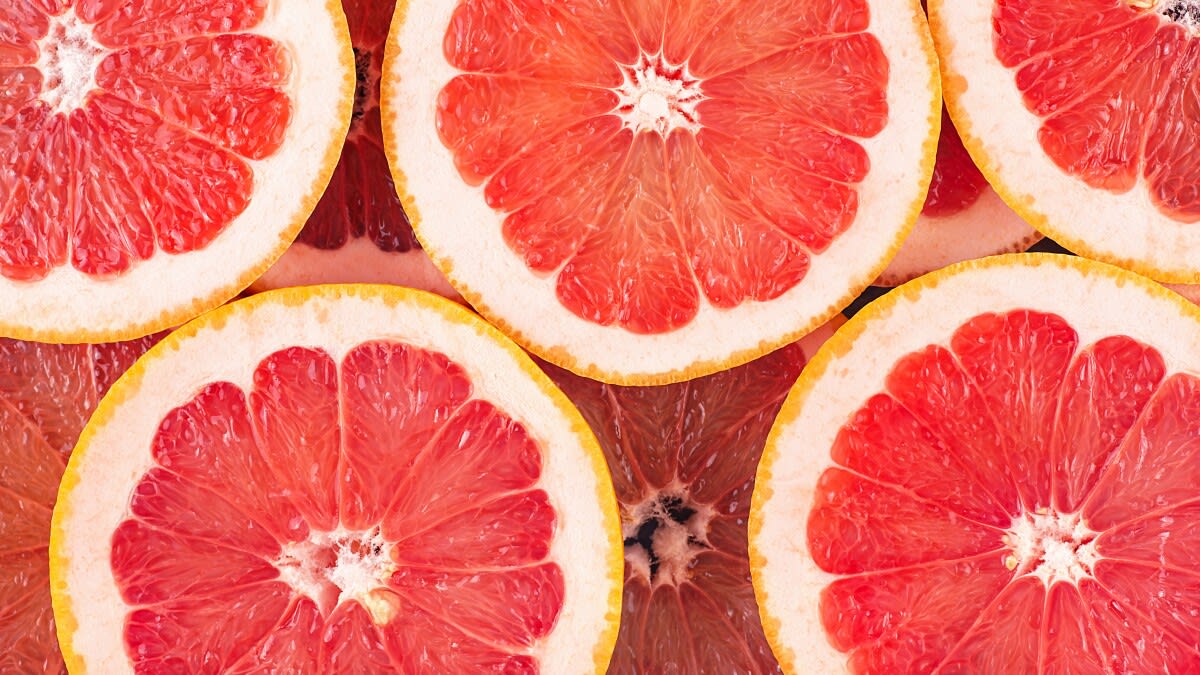
Israeli researchers used CRISPR technology to remove the gene that makes grapefruit taste bitter, potentially opening the door for kids and picky eaters to enjoy this nutritious fruit. The breakthrough could expand the market for grapefruit and help more people access its health benefits without the pucker.
Kids who wrinkle their noses at grapefruit might soon have a sweeter reason to give this healthy citrus another chance.
Scientists at Israel's Volcani Center have successfully used gene-editing technology to eliminate the bitter taste from grapefruit. The team, led by molecular biologist Yoram Eyal, inactivated a single gene responsible for producing bitter compounds in the fruit.
The journey started in the late 1990s when Eyal and his colleagues first identified the gene and enzymes behind grapefruit's signature tang. Now, decades later, they've used CRISPR/Cas9 technology to introduce tiny mutations into a gene called 1,2RhaT, forcing the plant to stop making bitter chemicals.
"We started from basic research and, using genome editing, brought this to agricultural practice to develop new varieties in which the taste was modified," Eyal explained. "I think basically it's opening up a bigger market for grapefruits."
Our tongues have far more bitterness receptors than receptors for other tastes. Scientists believe this evolved to help us detect toxic compounds in food. But this survival mechanism has a downside: it makes us perceive many harmless, nutritious compounds as bitter too.
Adults who enjoy grapefruit have typically developed an acquired taste through repeated exposure. Children, however, remain more sensitive to bitterness, often avoiding healthy foods packed with valuable nutrients.
Tests on leaves from the modified plant show no detectable bitter compounds like naringin, neohesperidin, or poncirin. The team expects identical results when the trees eventually bear fruit.
The Ripple Effect
Geoffrey Thomson, a plant genome engineer at Yale University who wasn't involved in the study, says removing bitterness is a trait many citrus juice consumers would find appealing. The innovation could help more families incorporate nutrient-rich grapefruit into their diets without the taste barrier.
The challenge is that citrus trees have a long juvenile period. The modified trees may take several years to produce fruit that researchers can actually taste-test. Scientists also need to verify that the genetic modification doesn't alter the fruit's nutritional benefits or compromise the tree's natural resistance to disease and cold.
Eyal is already looking ahead to the next challenge: crossing wild citrus relatives with domesticated varieties to develop trees more resistant to cold spells. The research, published in The Plant Journal, demonstrates how understanding basic plant biology can lead to practical solutions that make healthy food more accessible to everyone.
A sweeter grapefruit could soon make breakfast tables a little brighter for families everywhere.
More Images



Based on reporting by New Atlas
This story was written by BrightWire based on verified news reports.
Spread the positivity!
Share this good news with someone who needs it