Scientists Get First Data From Under Thwaites Glacier
Despite equipment becoming trapped in Antarctic ice, researchers captured the first-ever measurements from beneath the fast-melting Thwaites Glacier. The groundbreaking data confirms warm ocean currents are reaching the ice and opens the door for future studies.
A team of scientists just accomplished something nobody has ever done before: they collected data from directly beneath Antarctica's Thwaites Glacier, one of the most important and least understood ice masses on Earth.
The international expedition faced serious setbacks after their instruments became stuck in a half-mile-deep hole through the ice. But before that happened, they captured unprecedented measurements showing warm ocean water flowing beneath the glacier's main trunk.
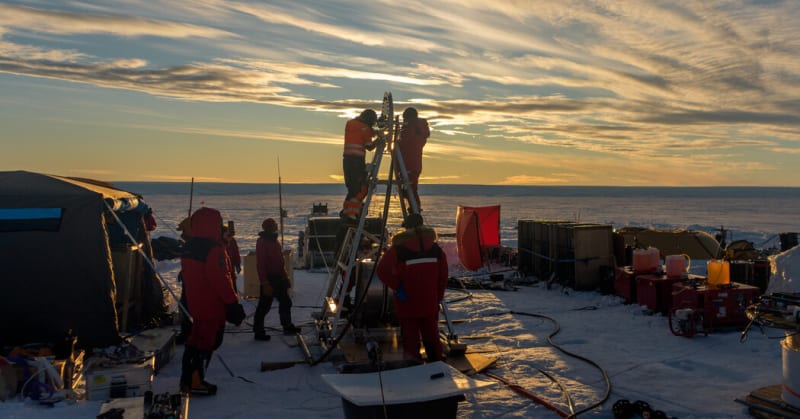
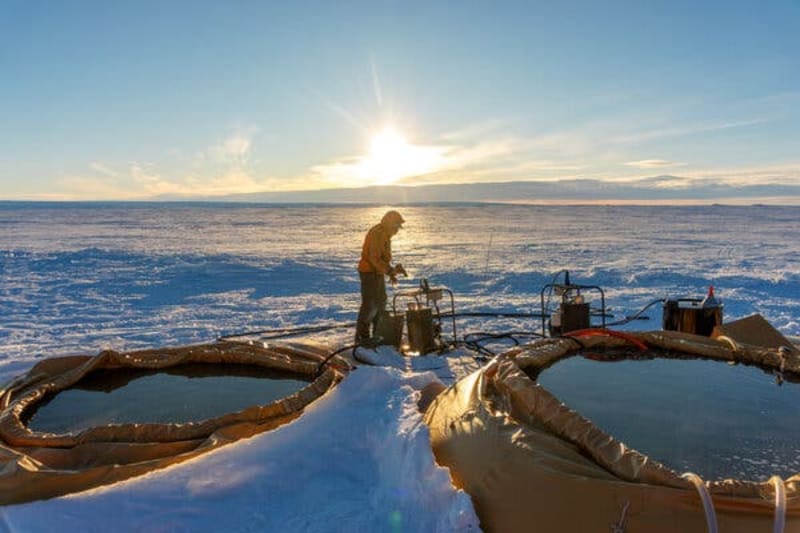
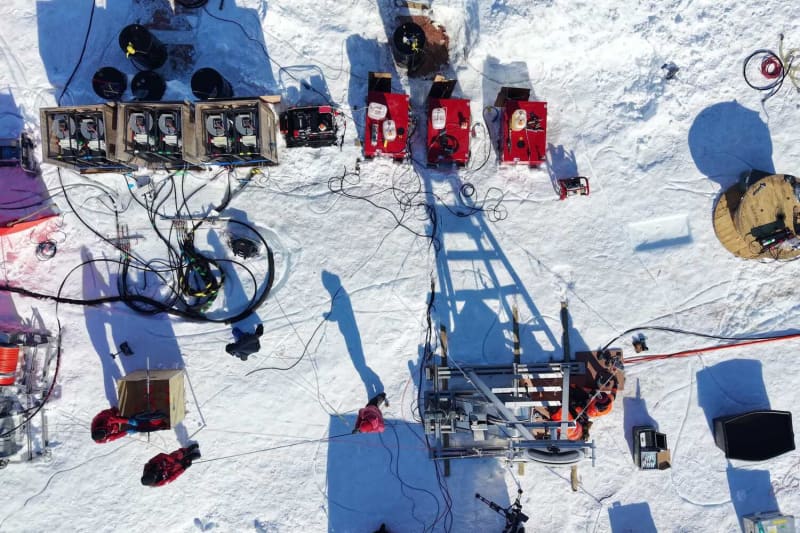
British and South Korean researchers spent over a week camped on the massive glacier, using jets of superheated water to melt a narrow tunnel 3,300 feet down through the ice. They had just 48 hours before the hole would refreeze, and helicopters could only evacuate them before incoming bad weather if they finished by Monday.
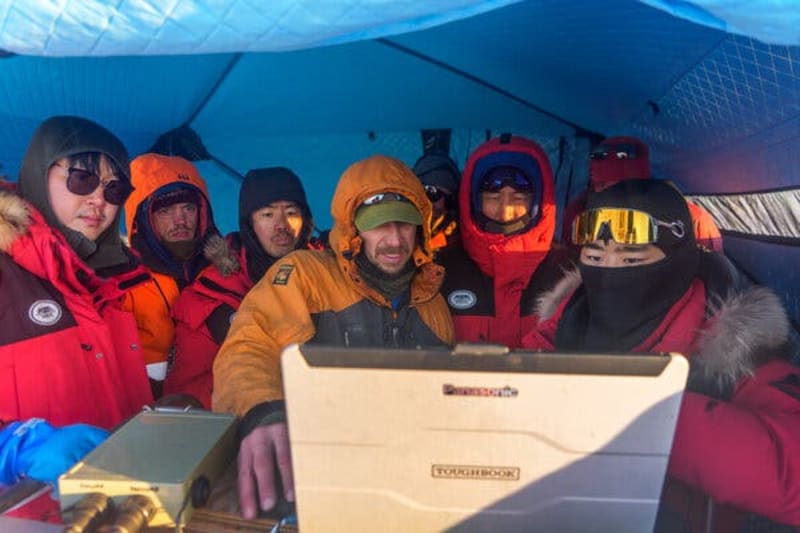
The team successfully lowered instruments through the hole five times on Saturday, gathering data that nobody has seen before. The measurements revealed ocean temperatures of 34 degrees Fahrenheit beneath the ice, warm enough to drive significant melting even though the water is far from the open ocean.
"There's plenty of heat to drive melting," said oceanographer Peter Davis, watching the data stream in at 1:30 in the morning. Researcher Yixi Zheng called the warm temperatures "crazy" for water so deep beneath Antarctic ice.
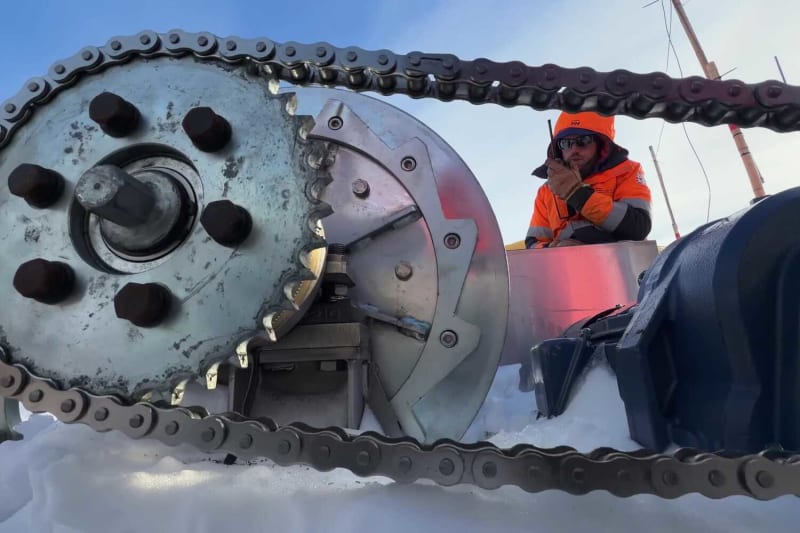
When the team tried to install permanent monitoring equipment that would transmit daily measurements by satellite, the cable only made it three-quarters of the way down before getting stuck. A project nearly a decade in the making couldn't be completed, but the scientists weren't defeated.
Why This Inspires
Chief scientist Won Sang Lee sees the preliminary data as confirmation that returning to Thwaites is worth every challenge. "This is not the end," he said, explaining that the measurements prove this location holds critical answers about ice melt.
The team battled whipping winds, discovered they'd drilled through hidden crevasses, dealt with faulty depth gauges, and heard the glacier booming and cracking beneath their feet as it moved 30 feet per day toward the sea. Every obstacle made their window of opportunity smaller.
Yet they persevered and achieved a genuine scientific first. The data they're bringing home will help researchers worldwide better understand how quickly major ice sheets might melt and what that means for coastal communities.
Understanding Thwaites matters because if this glacier loses too much ice, it could trigger broader melting across West Antarctica. But now scientists have real measurements from the most critical location instead of just theories.
The expedition proved that studying this remote, dangerous, and vital glacier is possible, paving the way for future missions to answer the remaining questions about our changing planet.
More Images
Based on reporting by Google News - Science
This story was written by BrightWire based on verified news reports.
Spread the positivity!
Share this good news with someone who needs it