Scientists Grow Chickpeas in Moon Soil Simulant
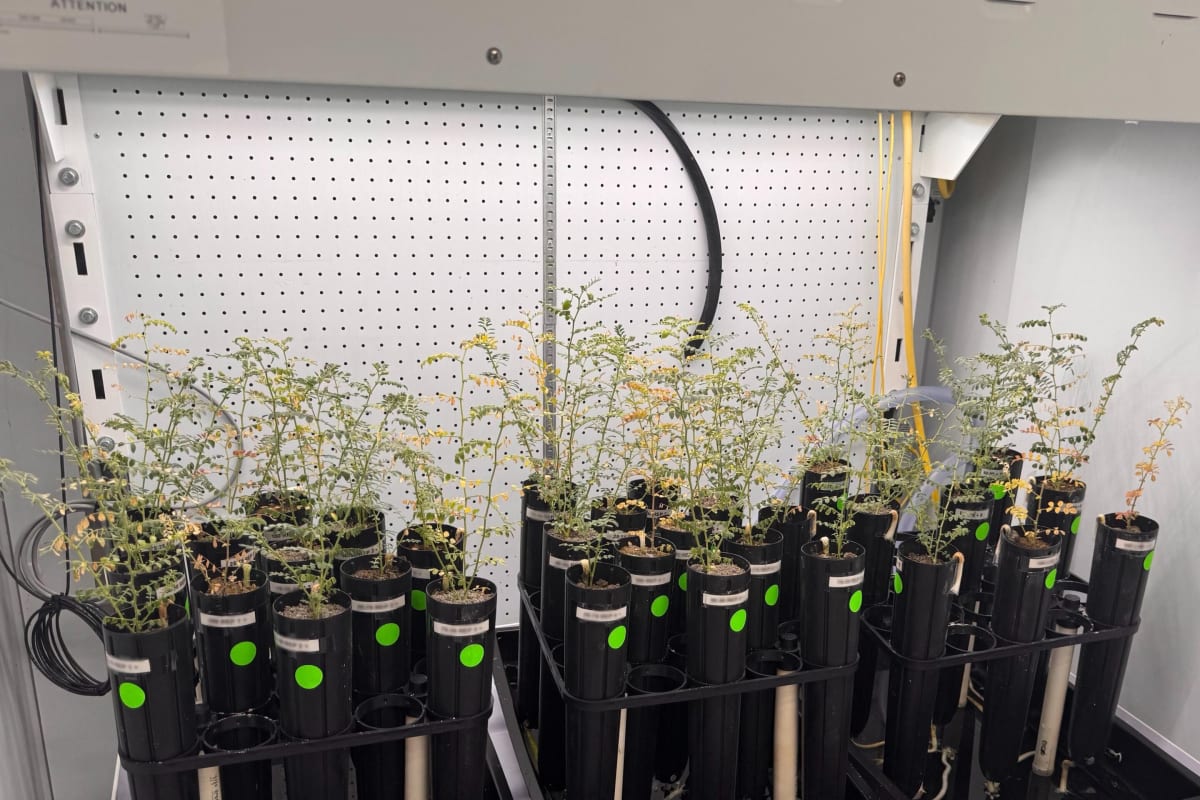
Researchers successfully grew chickpeas to produce seeds in simulated lunar soil for the first time using earthworms and fungi. The breakthrough could help future moon settlers grow their own food.
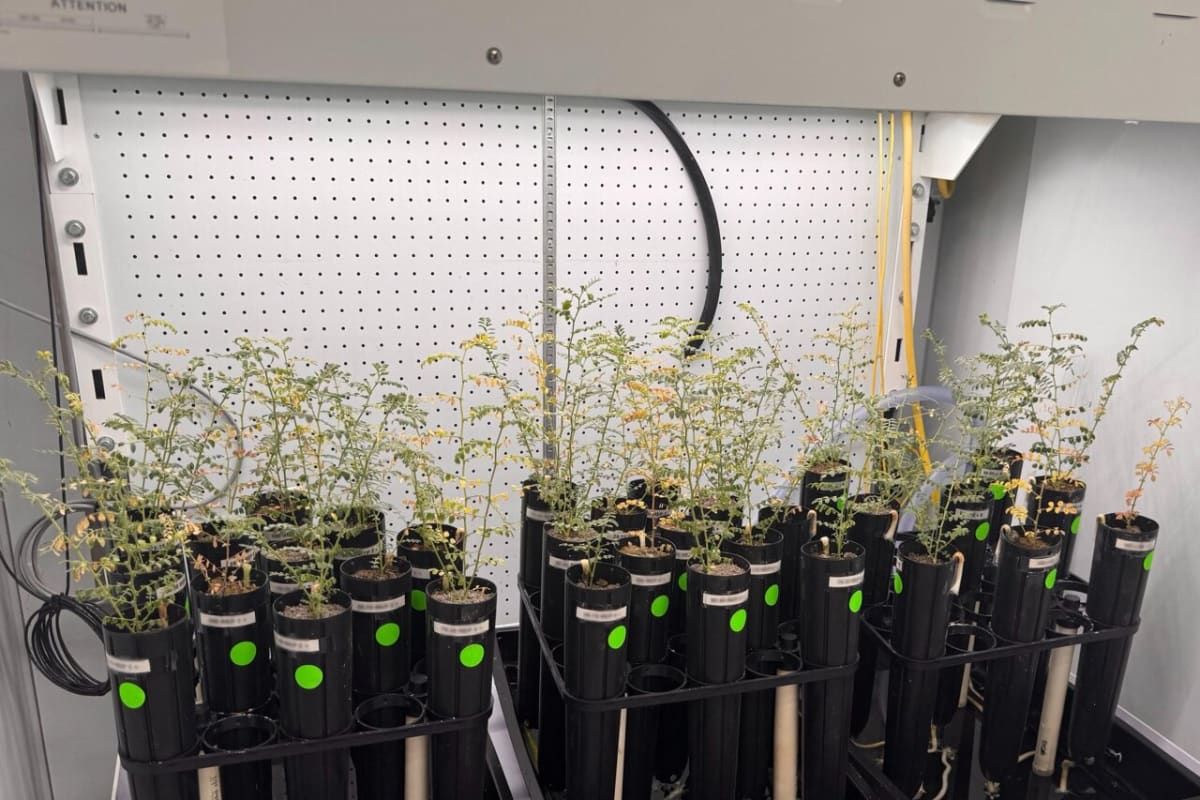
Growing food on the moon just became a real possibility. Scientists at Texas A&M University have successfully grown chickpea plants that produced seeds in simulated lunar soil, marking a major step toward sustainable space agriculture.
The research team faced a significant challenge. Lunar soil contains toxic levels of metals like aluminum and zinc, doesn't drain water properly, and lacks the helpful microbes found in Earth soil.
Their solution combined two natural helpers from Earth. They mixed in vermicompost, a nutrient-rich material created by red wiggler earthworms breaking down plant waste, and added arbuscular mycorrhizal fungi, which help plants absorb nutrients and protect them from toxic metals.
The results surprised even the researchers. Chickpeas only flowered and produced seeds when both the fungi and vermicompost were present. Plants treated with 25% to 50% vermicompost produced seeds that weighed as much as seeds from control plants grown in regular potting soil, though fewer seeds grew overall.
The fungi made another significant difference. Plants treated with the fungi had much larger root and shoot systems than untreated plants, showing stronger overall growth despite the challenging soil conditions.
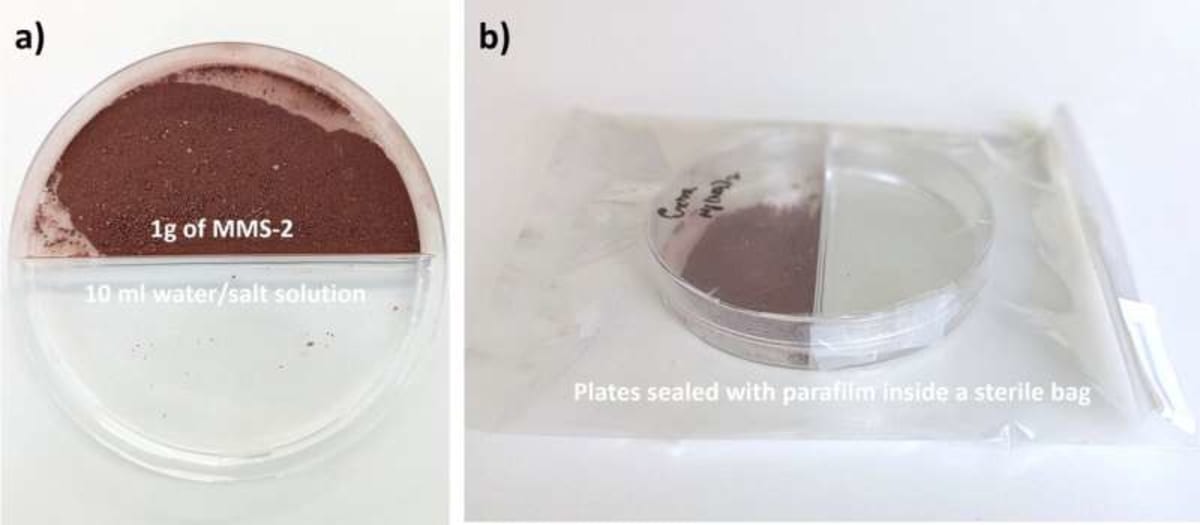
Meanwhile, separate research explored whether microbes could survive in simulated Martian soil. Scientists found that microorganisms already present in the soil could grow for up to 30 days using only water vapor from the atmosphere at humidity levels matching those on Mars.
The Ripple Effect
These findings reach far beyond space exploration. The techniques for improving poor soil could help farmers on Earth grow crops in degraded or contaminated land. Learning to maximize food production in harsh conditions addresses food security challenges facing communities worldwide.
The research also shows how solutions from nature can solve futuristic problems. Earthworms and fungi, organisms that have helped plants thrive on Earth for millions of years, might become essential partners in humanity's next frontier.
Future moon bases won't need to ship all their food from Earth. With the right biological helpers, astronauts could grow fresh vegetables and legumes right in lunar greenhouses, making long-term space settlement more practical and affordable.
The path forward remains challenging. All plants grown in lunar soil simulant still showed some stress compared to those in Earth soil, indicating more work lies ahead.
These chickpeas prove that with creativity and Earth's natural allies, humanity can bring life to lifeless worlds.
More Images

Based on reporting by Phys.org
This story was written by BrightWire based on verified news reports.
Spread the positivity!
Share this good news with someone who needs it