Scientists Grow HIV Cells in Lab, Edge Closer to Cure
Researchers have successfully isolated and grown the rare HIV-infected cells that hide from the immune system, offering the first real look at why the virus is so hard to cure. Even better, they've already found ways to make these stubborn cells vulnerable to destruction.
For decades, scientists have known HIV hides in about one in every million immune cells, making it nearly impossible to study or eliminate. Now, researchers at Weill Cornell Medicine and Rockefeller University have cracked the code, successfully growing these elusive cells in the lab for the first time.
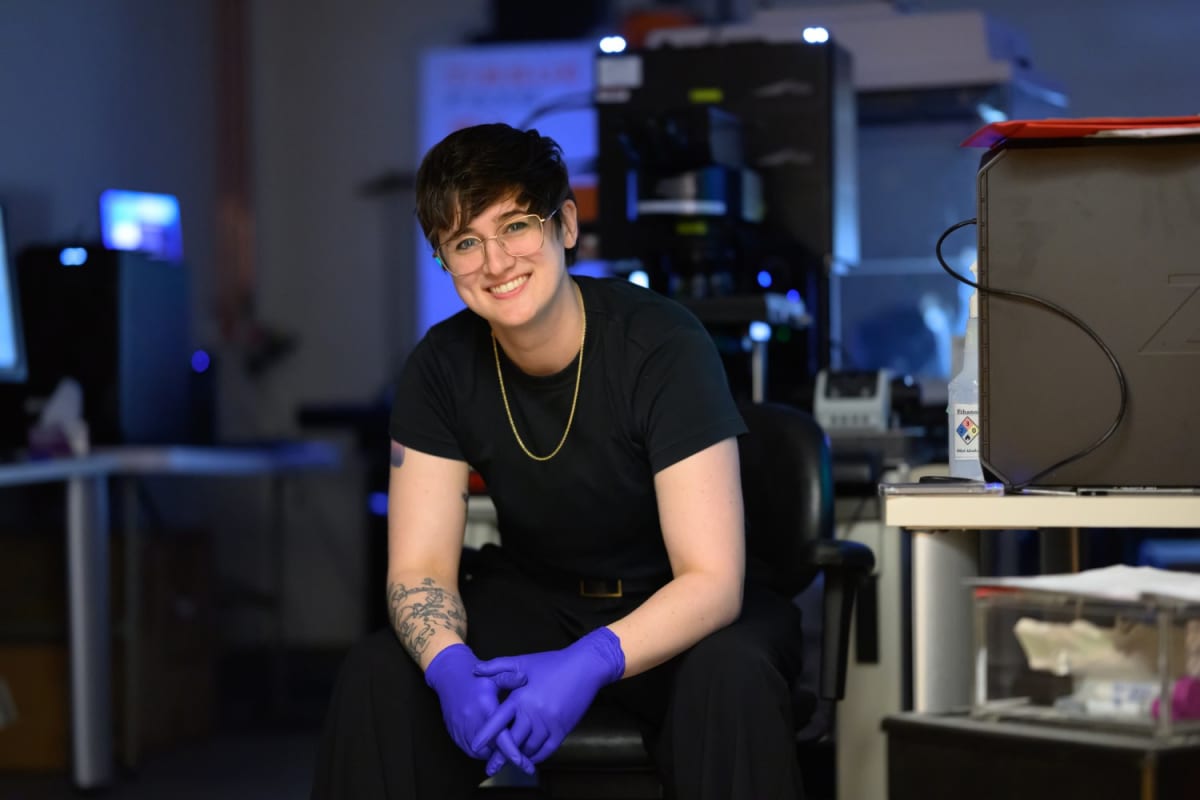
"We discovered that finding a needle in a haystack is not always impossible," said Dr. Brad Jones, who led the research team. "It just takes a team effort."
The breakthrough solves a frustrating puzzle. Even when antiviral drugs reduce HIV to nearly undetectable levels, the virus bounces back if treatment stops because these hidden reservoir cells keep it alive. That's why people with HIV must take medication for life.
By growing these rare cells in the lab, the team could finally observe them up close. They discovered something surprising: when exposed to the body's natural HIV-killing cells for long periods, most reservoir cells gradually wore down and died.
The problem isn't just that HIV hides. Some cells have learned to resist death entirely, surviving attack after attack from the immune system. "The problem is not only latency," Jones explained. "It is latency plus resistance to death."
Why This Inspires
The team didn't stop at identifying the problem. They tested an FDA-approved drug called deferoxamine to see if they could weaken the resistant cells' defenses. It worked. The drug increased stress in the hiding cells, allowing the immune system to kill them more efficiently.
This discovery opens doors that were locked for 40 years. Jones and his team are now building a library of all the tricks these reservoir cells use to survive, hunting for the best treatment targets.
They're also sharing their techniques with other labs around the world to speed up progress. The goal is within sight: properly arm the immune system to catch and destroy these cells during the brief moments when they become visible.
"If we can properly arm the immune system to kill those cells when they are exposed, we may be able to tip the balance toward eliminating the reservoirs and curing infection," Jones said.
After four decades of HIV being a lifelong condition, scientists can finally see a path to wiping it out completely.
More Images


Based on reporting by Medical Xpress
This story was written by BrightWire based on verified news reports.
Spread the positivity!
Share this good news with someone who needs it