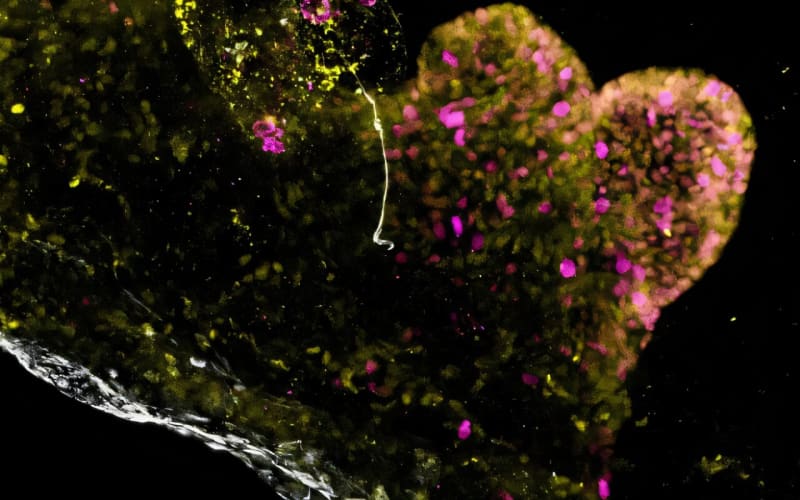
Scientists Grow Mini-Stomachs to Study Rare Diseases
Researchers at UCL and Great Ormond Street Hospital created the first complete lab-grown mini-stomach that could revolutionize how we understand and treat stomach disorders. The pea-sized organ replicates all major stomach regions and even produces acid just like the real thing.
Scientists just took a huge leap forward in understanding stomach diseases by growing complete miniature stomachs in a lab.
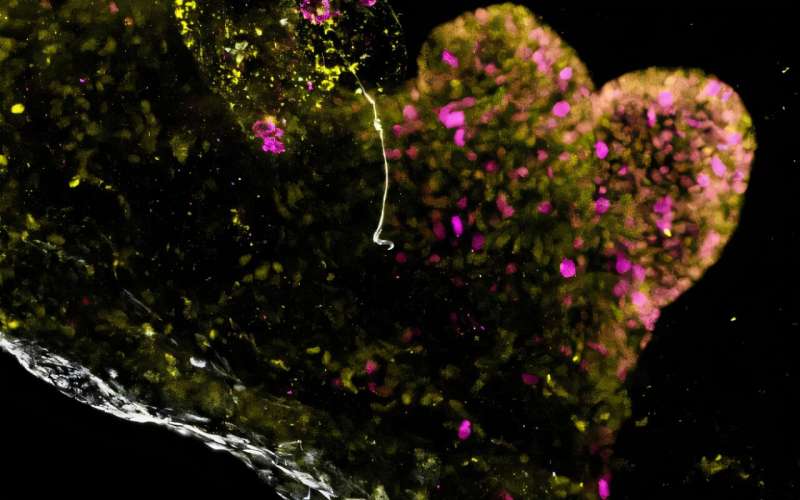
The research team at University College London and Great Ormond Street Hospital achieved something never done before. They created pea-sized mini-stomachs called assembloids that contain all three major regions of the human stomach: the upper fundus, the central body, and the lower antrum.
Here's what makes this breakthrough special. Previous lab-grown stomach models only replicated small parts of the organ, but this version acts like a complete functioning stomach. The mini-organs produce stomach acid, and their different regions communicate with each other just like in our bodies.
The scientists started by taking stem cells from patient stomach samples and growing them in petri dishes under special conditions. They created separate organoids for each stomach region, then combined them into one unified mini-stomach. This assembly approach succeeded where other methods had failed.
The team immediately put their creation to work studying an extremely rare genetic condition called PMM2-HIPKD-IBD. Children with this disorder develop unusual growths in their stomachs that can bleed, cause inflammation, or increase cancer risk. Using mini-stomachs grown from affected children's cells, researchers tested their theories about what causes the disorder and explored potential treatments.
Why This Inspires
This technology could dramatically speed up how we develop treatments for rare diseases. Testing potential therapies on lab-grown patient organs means safer, faster paths to approval without risking harm to vulnerable patients.
But the real promise extends far beyond rare conditions. Dr. Giovanni Giobbe explains that traditional models couldn't replicate the complex architecture of human stomachs. These assembloids change that completely.
Professor Paolo De Coppi, a pediatric surgeon at Great Ormond Street Hospital, emphasized the broader impact. While the team successfully tested treatments for this rare condition, the implications reach millions of people suffering from common stomach lining diseases.
The mini-stomachs open doors to understanding conditions that have puzzled doctors for years. Instead of relying on animal models that don't perfectly match human biology, researchers can now study actual human stomach tissue behavior in controlled laboratory settings.
Each mini-stomach retains the specific characteristics of its region while functioning as an integrated whole. This means scientists can observe how different stomach areas interact during disease and treatment, providing insights impossible to gain any other way.
The breakthrough represents years of precise work perfecting growth conditions and assembly techniques, but the real journey starts now as researchers apply this tool to solve long-standing medical mysteries.
More Images


Based on reporting by Medical Xpress
This story was written by BrightWire based on verified news reports.
Spread the positivity!
Share this good news with someone who needs it
%2Ffile%2Fattachments%2F2996%2FGroundUp-NIH-funding_260278.jpeg)