Scientists Hatch 26 Chicks from 3D-Printed Eggs
A biotech company successfully hatched 26 healthy chicks using artificial eggshells made from 3D-printed materials. The breakthrough could help save endangered species and might one day bring extinct birds back to life.
📺 Watch the full story above
Twenty-six fluffy chicks just made history by hatching from eggs that nature never created.
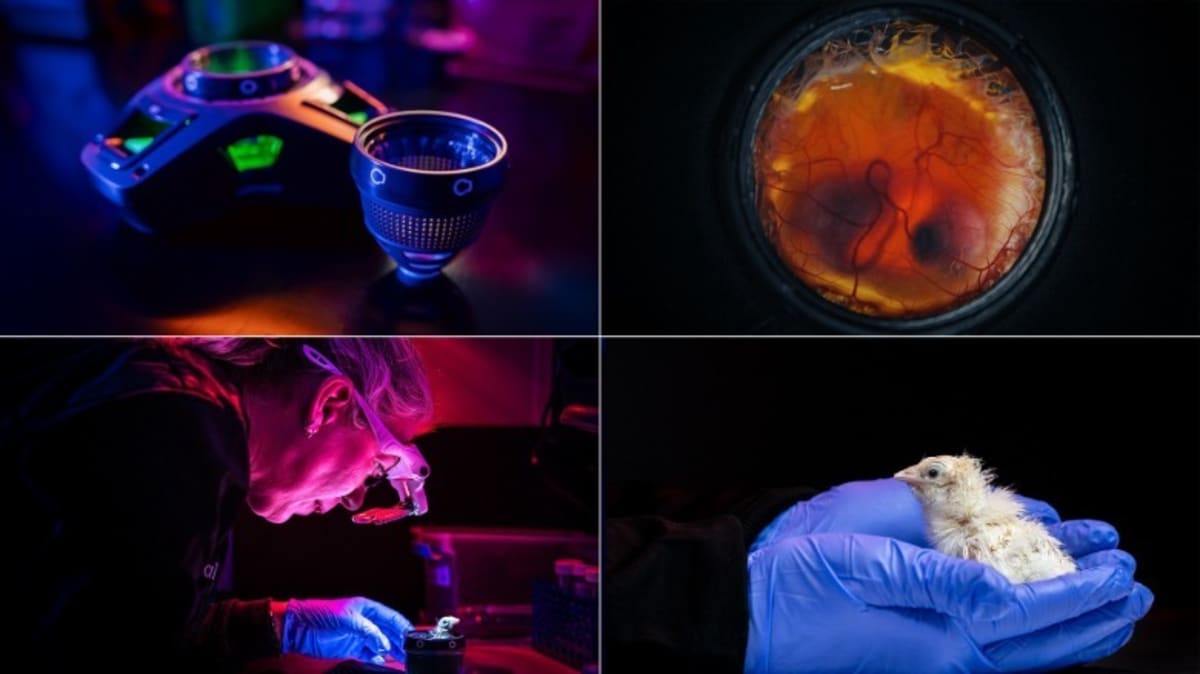
Colossal Biosciences announced this week that it successfully hatched healthy chicks from 3D-printed artificial eggshells. The company, known for its ambitious plans to bring extinct animals back to life, sees this as a major step toward reviving birds like the dodo and the giant moa.
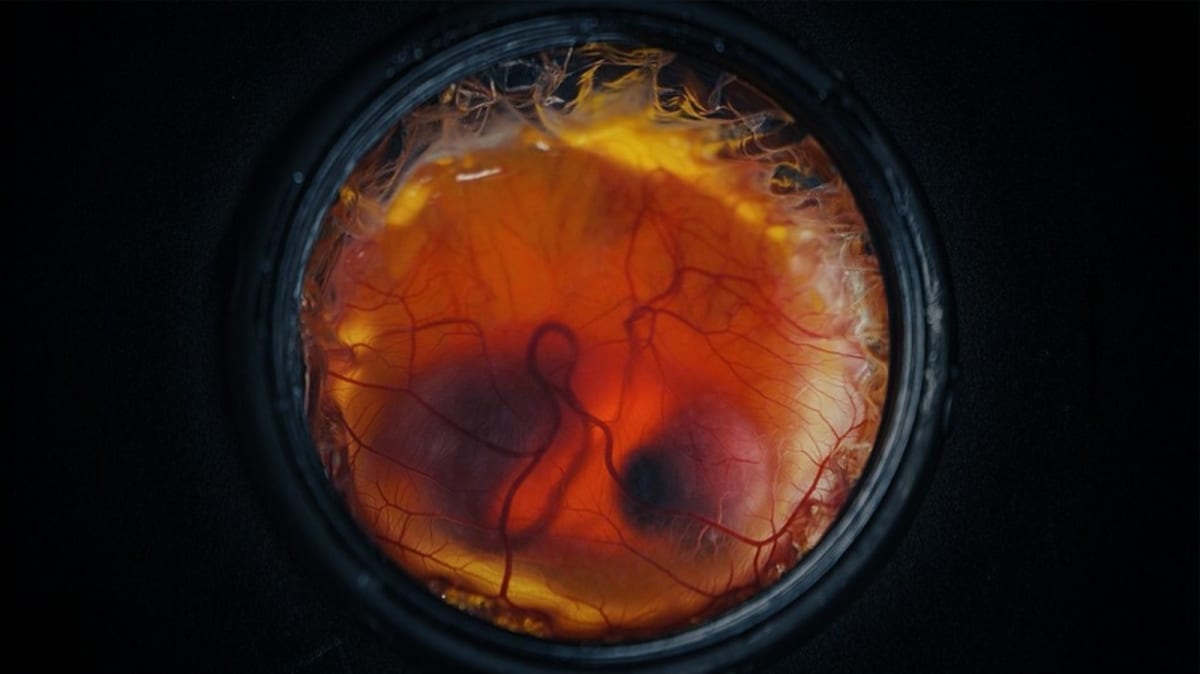
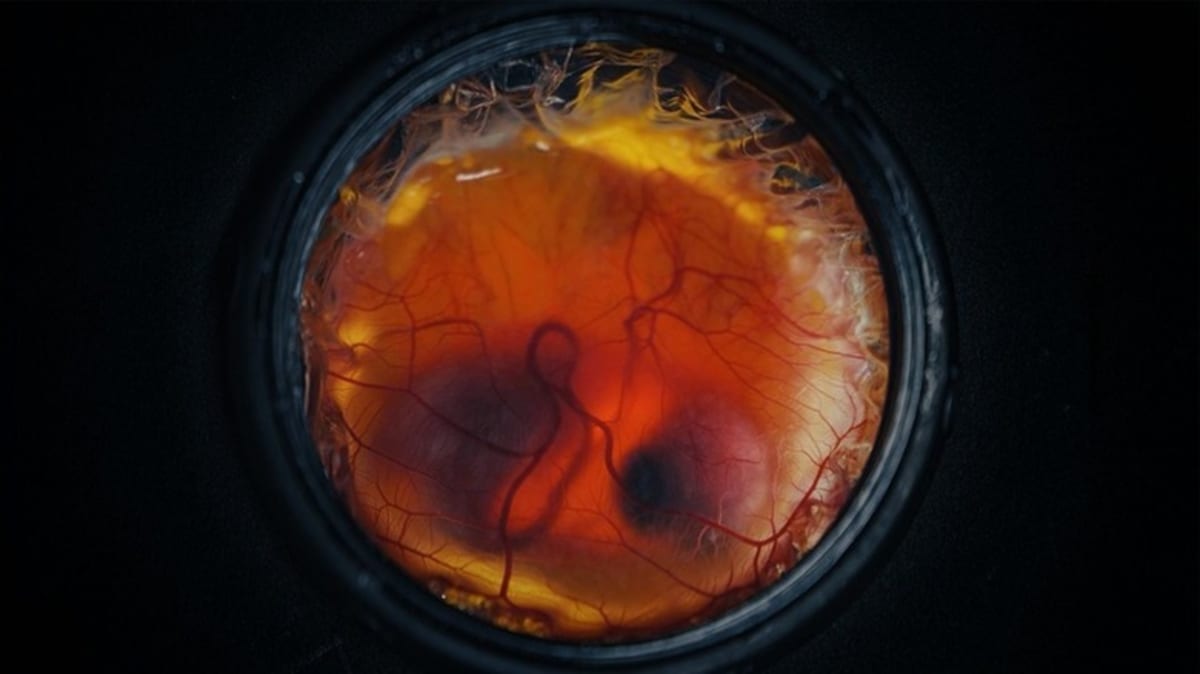
The artificial eggshell works like the real thing but with a high-tech twist. It uses a semi-permeable silicone membrane that lets oxygen flow through while keeping the embryo safe inside. A rigid cup holds everything together during the incubation period.
Scientists start with eggs laid naturally by hens, then carefully transfer the contents into the artificial shell within 48 hours. The embryo develops just as it would in a regular eggshell, protected and nourished until it's ready to hatch.
The technology solves a problem that's stumped scientists for years. The giant moa, extinct for 600 years, laid eggs eight times larger than an emu's. No living bird could carry something that size, which meant traditional surrogacy wouldn't work for bringing the species back.
Colossal plans to use Nicobar pigeons as surrogates for dodo eggs and possibly emus for the giant moa project. The artificial shells would handle the later stages of incubation after the initial development happens in a living bird.
Why This Inspires
While critics question whether recreating extinct species should be the priority, Colossal says the same technology could rescue endangered birds alive today. Conservation programs could use artificial eggs to boost breeding success for species on the brink of disappearing forever.
The technique might also help researchers study bird development in ways never before possible. Being able to observe embryos through the artificial shell could unlock new understanding of how birds grow and what they need to thrive.
Some scientists caution that genetically modified birds won't be true replicas of extinct species. Evolutionary biologist Vincent Lynch points out that what emerges will be a modern creation, not an authentic resurrection of the past.
Still, the 26 healthy chicks prove the technology works. They're thriving just like any other chickens, completely unaware they began life in a lab-created shell.
The breakthrough opens doors that seemed permanently closed just years ago. Whether the goal is bringing back lost species or saving endangered ones, science just gave hope a new home.
More Images


Based on reporting by Engadget
This story was written by BrightWire based on verified news reports.
Spread the positivity!
Share this good news with someone who needs it