%2Fhttps%3A%2F%2Ftf-cmsv2-smithsonianmag-media.s3.amazonaws.com%2Ffiler_public%2F90%2F36%2F9036ab78-0397-4d3e-9c62-0917665fd056%2Fcolossal_biosciences__colossal_artificial_egg_device_healthy_embryo_hatched_chick_from_device.jpg)
Scientists Hatch Chicks From 3D-Printed Artificial Eggs
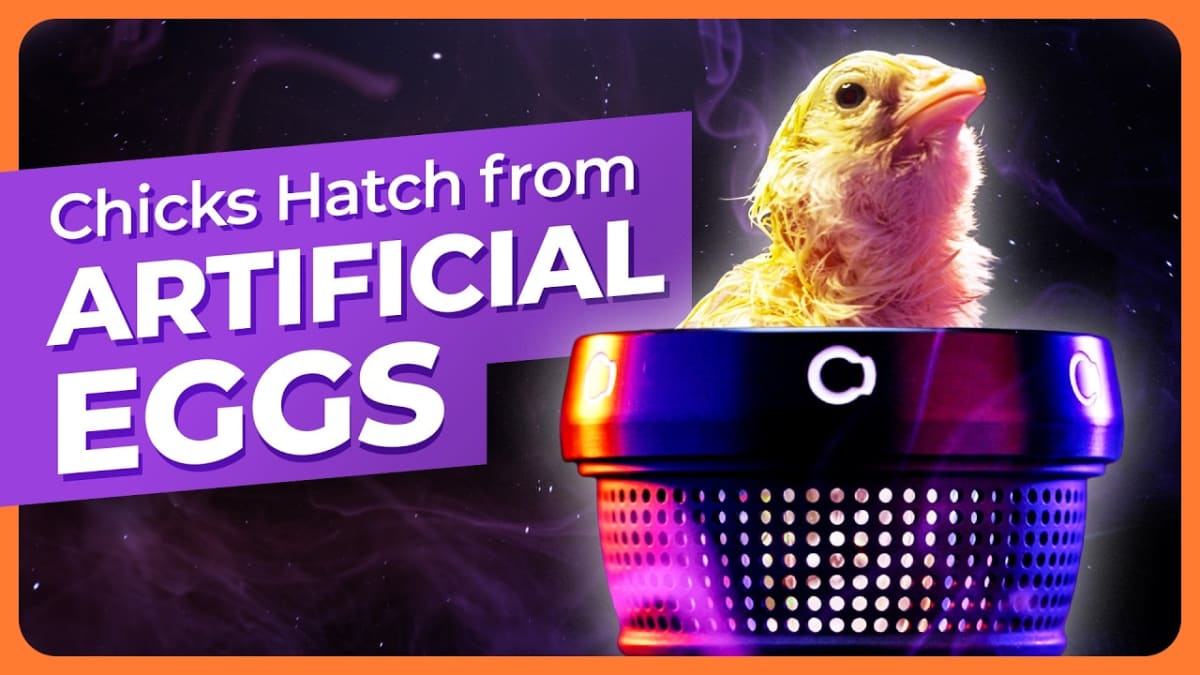
A biotech company has successfully hatched 26 baby chickens from 3D-printed artificial eggshells, opening new doors for saving endangered birds. The breakthrough could help species whose eggs are too large for any living bird to incubate.
Scientists just cracked a problem that's been stumping researchers for decades: how to grow baby birds outside of natural eggshells.
Colossal Biosciences, a Texas-based biotech company, announced that 26 healthy chicks hatched from 3D-printed honeycomb structures designed to work like real eggs. The artificial shells let oxygen flow through a transparent silicone membrane, just like nature intended.
The breakthrough solves a puzzle that's crucial for conservation work. Some extinct bird species, like the South Island giant moa that vanished 600 years ago, laid eggs 80 times bigger than chicken eggs. No modern bird could possibly incubate something that massive.
"There's no bird on Earth today that could grow a moa embryo inside of one of their eggs," Trevor Snyder, a bioengineer on the project, explained. That's why the team started with chicken eggs to perfect the system before scaling up.
The process works by transferring chicken embryos into the artificial shells within 40 hours of being laid. Scientists add calcium that chicks would normally absorb from real shells, then wait about 18 days. When the chicks are ready, they peck their way out just like they would from regular eggs.
The Ripple Effect
This technology could transform conservation efforts beyond bringing back extinct species. Zoo breeding programs and wildlife facilities working to save endangered birds could use artificial eggs to boost survival rates for at-risk species.
The artificial egg system improves on decades of previous attempts using glass vessels, plastic wrap, and cups. Those older methods required dangerous levels of supplemental oxygen and had poor success rates. This new approach appears more natural and effective.
Scientists not involved with the project are genuinely excited. "I'm genuinely blown away by it," Neil Gostling, a paleobiologist at the University of Southampton, said. "This is brilliant. It's the sort of thing of science fiction."
The company plans to test the system next with emu and ostrich embryos before attempting to work with genetic material from extinct species. Conservation organization Revive & Restore noted that breeding facilities could start using this technology right away to help living endangered birds.
While the company hasn't published formal research data yet, outside experts see immediate practical applications. The innovation could give hope to birds on the brink of extinction today, not just species from the past.
Every scientific leap forward creates new possibilities we couldn't imagine before.
More Images
%2Fhttps%3A%2F%2Ftf-cmsv2-smithsonianmag-media.s3.amazonaws.com%2Ffiler_public%2F90%2F36%2F9036ab78-0397-4d3e-9c62-0917665fd056%2Fcolossal_biosciences__colossal_artificial_egg_device_healthy_embryo_hatched_chick_from_device.jpg)
%3Afocal(960x549%3A961x550)%2Fhttps%3A%2F%2Ftf-cmsv2-smithsonianmag-media.s3.amazonaws.com%2Ffiler_public%2F90%2F36%2F9036ab78-0397-4d3e-9c62-0917665fd056%2Fcolossal_biosciences__colossal_artificial_egg_device_healthy_embryo_hatched_chick_from_device.jpg)
%2Fhttps%3A%2F%2Ftf-cmsv2-smithsonianmag-media.s3.amazonaws.com%2Faccounts%2Fheadshot%2FSarahKuta.png)
Based on reporting by Smithsonian
This story was written by BrightWire based on verified news reports.
Spread the positivity!
Share this good news with someone who needs it