Scientists Hit 29% Efficiency in Next-Gen Solar Breakthrough
Researchers in Hong Kong just solved a major problem holding back the world's most promising solar technology, pushing efficiency to a record-breaking 29.1%. The breakthrough could make ultra-efficient solar panels cheaper and longer-lasting.
Scientists at Hong Kong University of Science and Technology just cracked a stubborn problem that's been limiting the potential of next-generation solar panels, and the results are stunning.
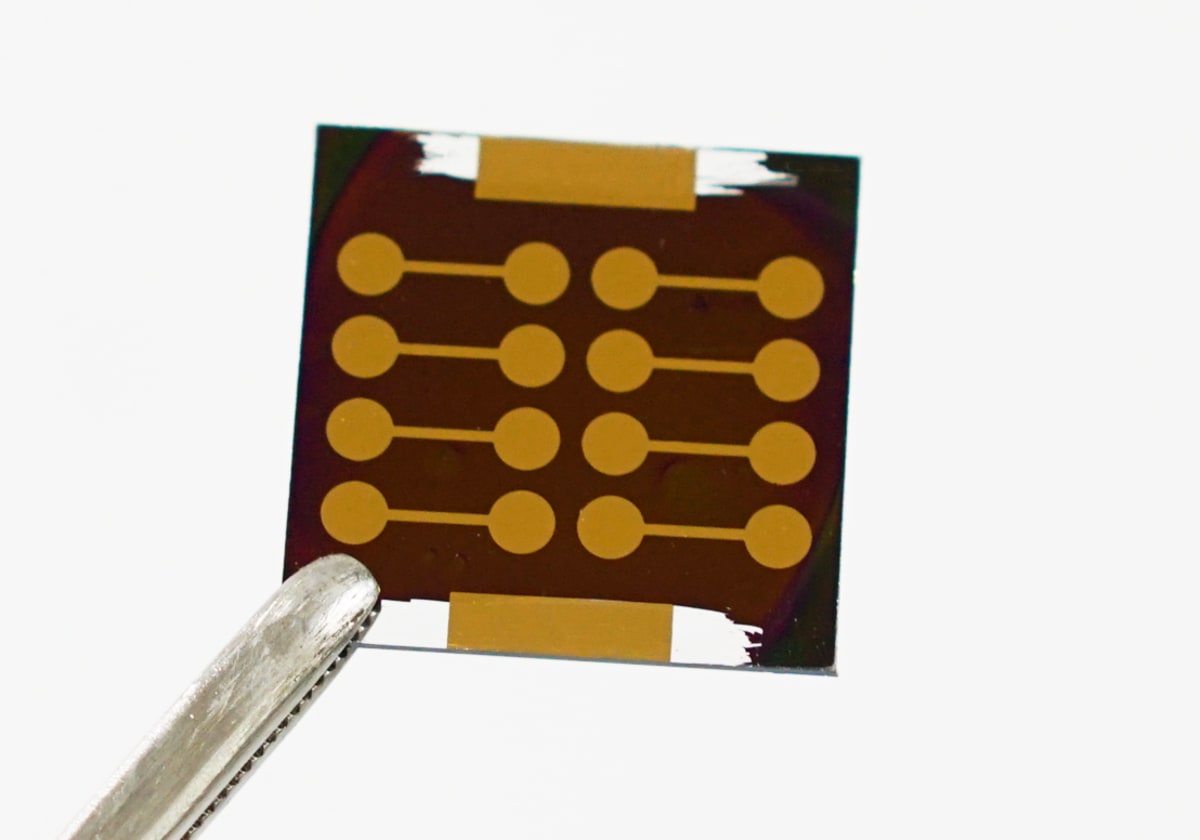
The team developed a new type of solar cell that reached 29.1% efficiency, the highest ever recorded for this particular design. Even better, the panels kept working at 90% capacity after more than 800 hours of continuous testing in hot conditions.
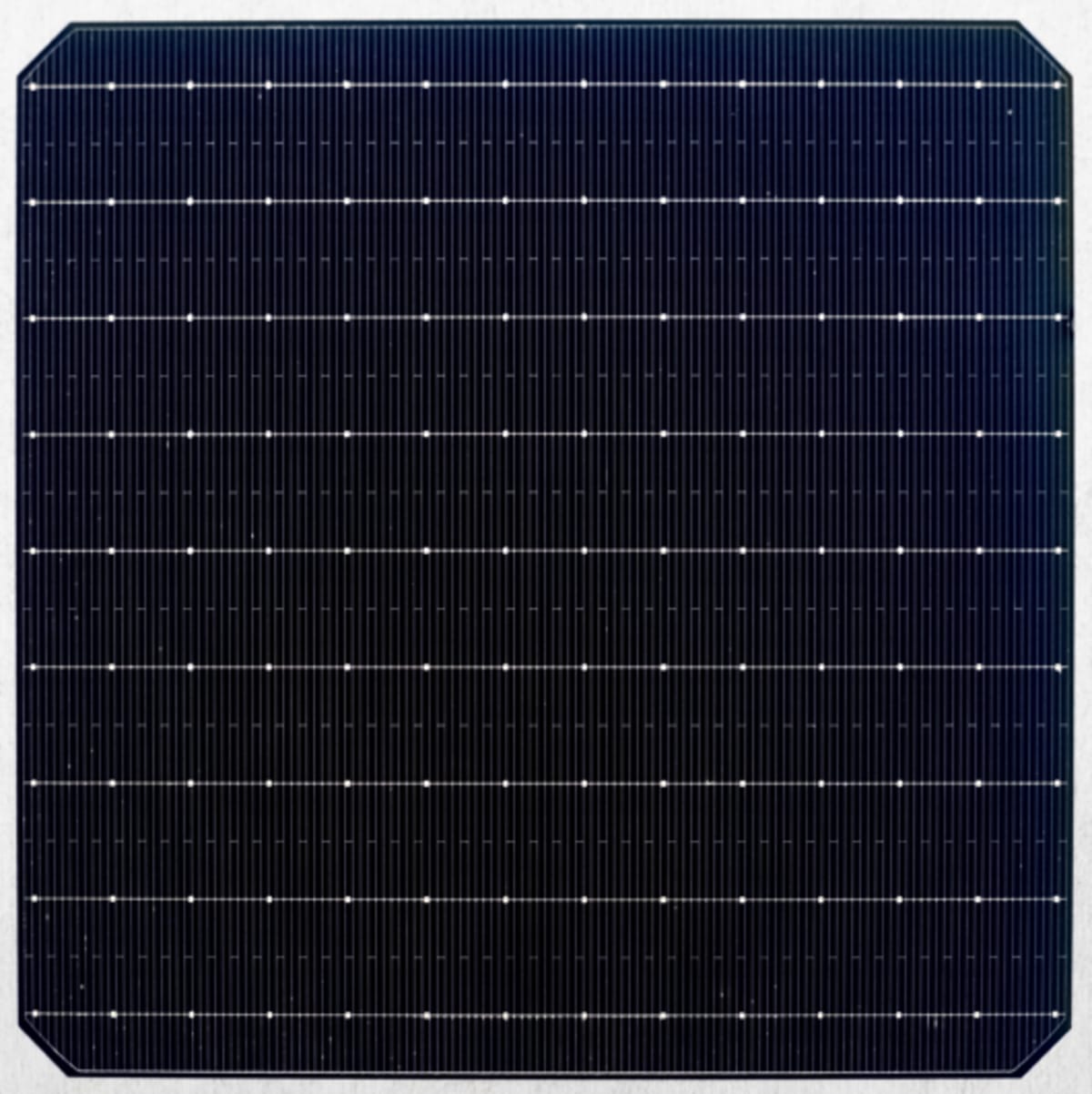
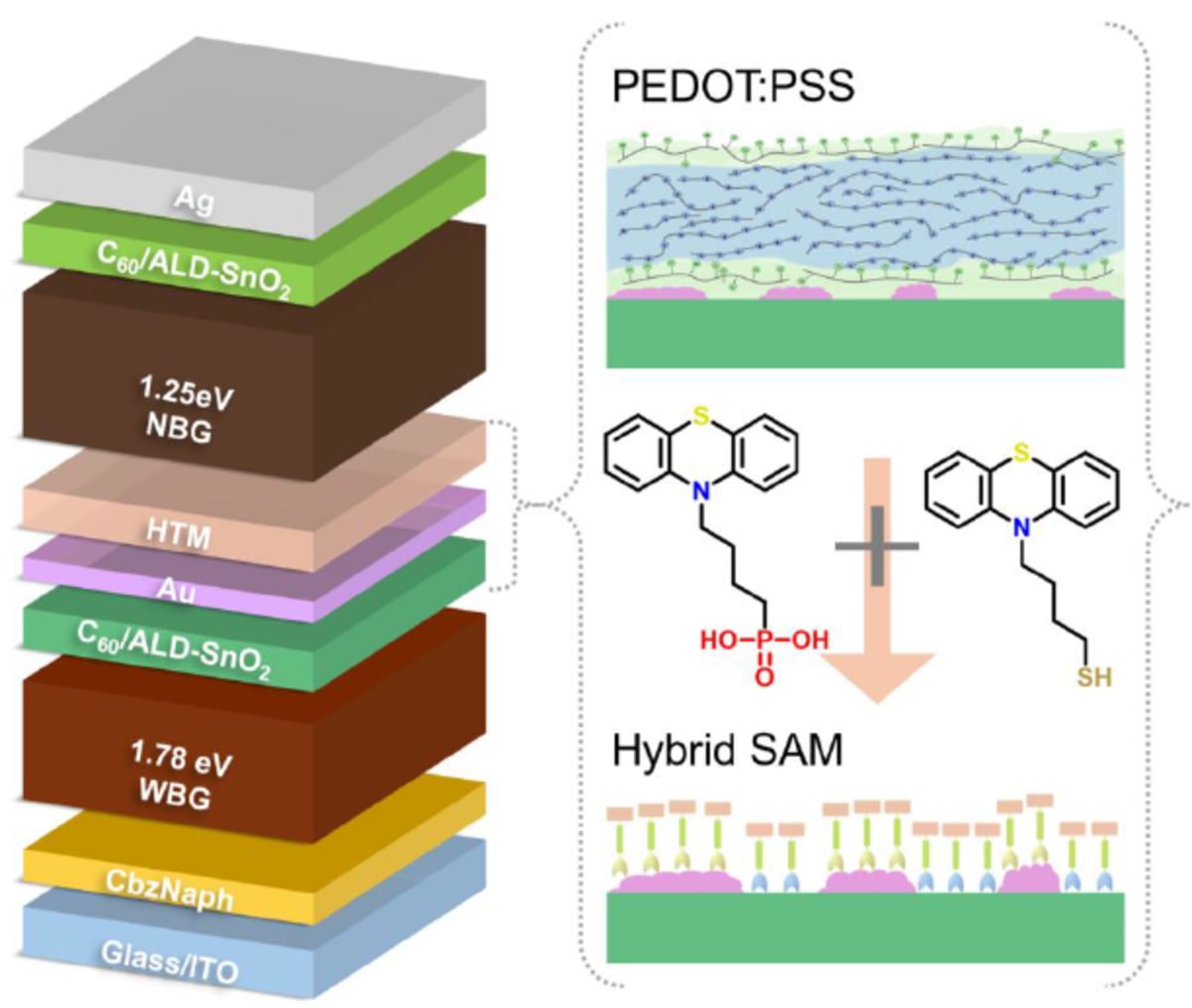
The breakthrough centers on fixing a weak spot in perovskite tandem solar cells, which stack two light-absorbing layers to capture more energy than traditional panels. These cells promise to revolutionize solar power because they're lightweight and potentially much cheaper to manufacture than current technology.
The problem was a material called PEDOT:PSS that many researchers relied on. While it helped move electrical charges through the cell, it also absorbed moisture and caused the delicate perovskite layers to break down over time. This led to reduced performance and shorter lifespans.
Lead researcher Fengzhu Li and his team replaced PEDOT:PSS with a specially designed molecular layer called 4PAPT. This new material creates a smoother, more stable foundation that helps the solar cell form better crystals and move electricity more efficiently.
The difference was dramatic. Using advanced imaging techniques, the researchers watched how their new material helped the solar cell form faster and more uniformly. The crystals aligned better, defects dropped, and energy loss decreased significantly.
The team achieved 23.2% efficiency in single-layer cells before combining everything into the record-breaking tandem design. The entire structure sits on transparent electrodes and uses multiple ultra-thin layers, each just nanometers thick, working together to capture and convert sunlight.
The Ripple Effect
This breakthrough addresses one of solar energy's biggest challenges: making highly efficient panels that actually last in real-world conditions. Previous high-performance designs often degraded quickly, especially in heat and humidity.
The molecular interface strategy the team developed doesn't just fix one cell type. Co-author Yen-Hung Lin emphasizes that this approach can be adapted across different tandem solar cell designs, potentially accelerating progress across the entire field.
As solar energy becomes crucial for addressing climate change, every percentage point of efficiency matters. Higher-efficiency panels mean more power from less space, making solar viable in more locations and reducing the materials needed for large installations.
The stability improvements are equally important. Solar panels need to work reliably for 25 years or more to be economically practical, and this research brings perovskite technology closer to that goal while maintaining the manufacturing advantages that could make solar power even more affordable.
The future of solar just got brighter, one molecule at a time.
More Images


Based on reporting by PV Magazine
This story was written by BrightWire based on verified news reports.
Spread the positivity!
Share this good news with someone who needs it