Scientists Hit Record 12.4% Efficiency on Eco-Friendly Solar
Australian researchers just solved a decade-old problem holding back safer, earth-friendly solar panels made from common materials. Their breakthrough could make next-generation solar power more accessible and affordable for everyone.
A team at the University of New South Wales just cracked a puzzle that's been frustrating solar scientists for years, pushing eco-friendly solar cells to record-breaking performance.
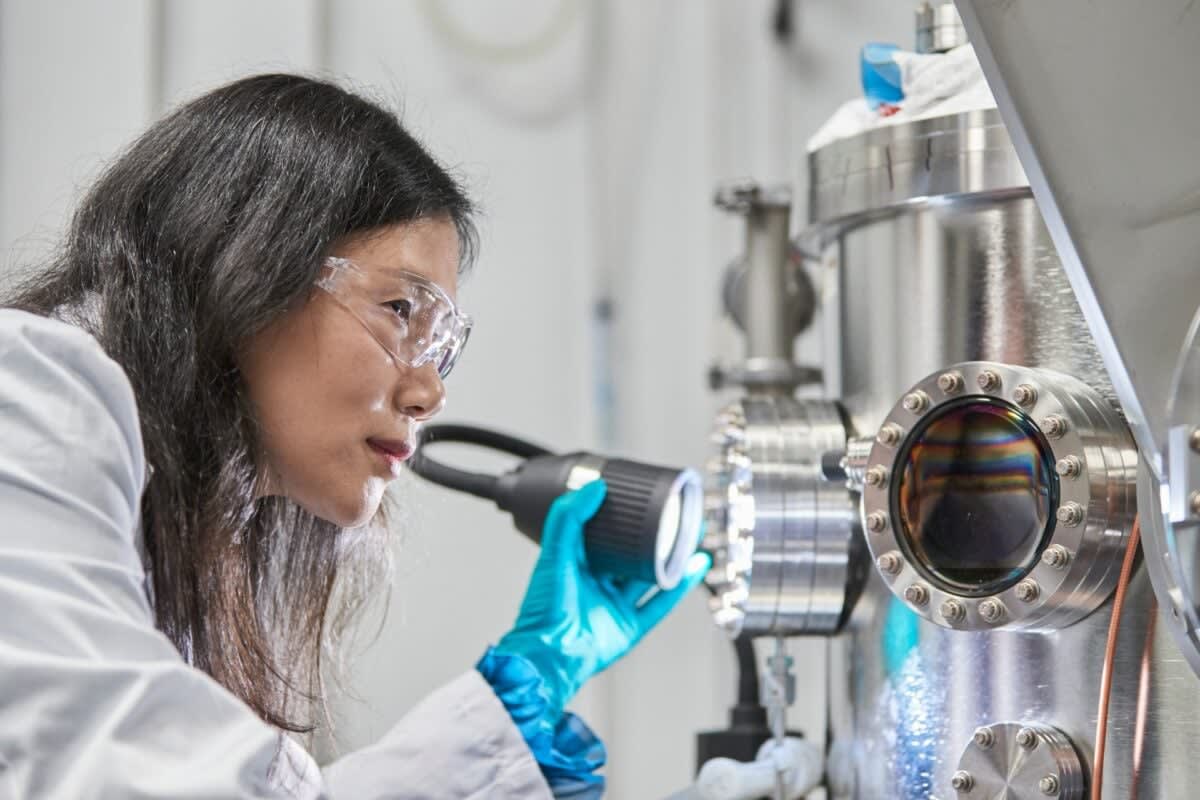
Professor Xiaojing Hao and her team discovered why certain solar panels made from abundant, non-toxic materials kept underperforming. The culprit? Tiny copper atoms were drifting away during manufacturing, creating microscopic defects that trapped electricity and killed efficiency.
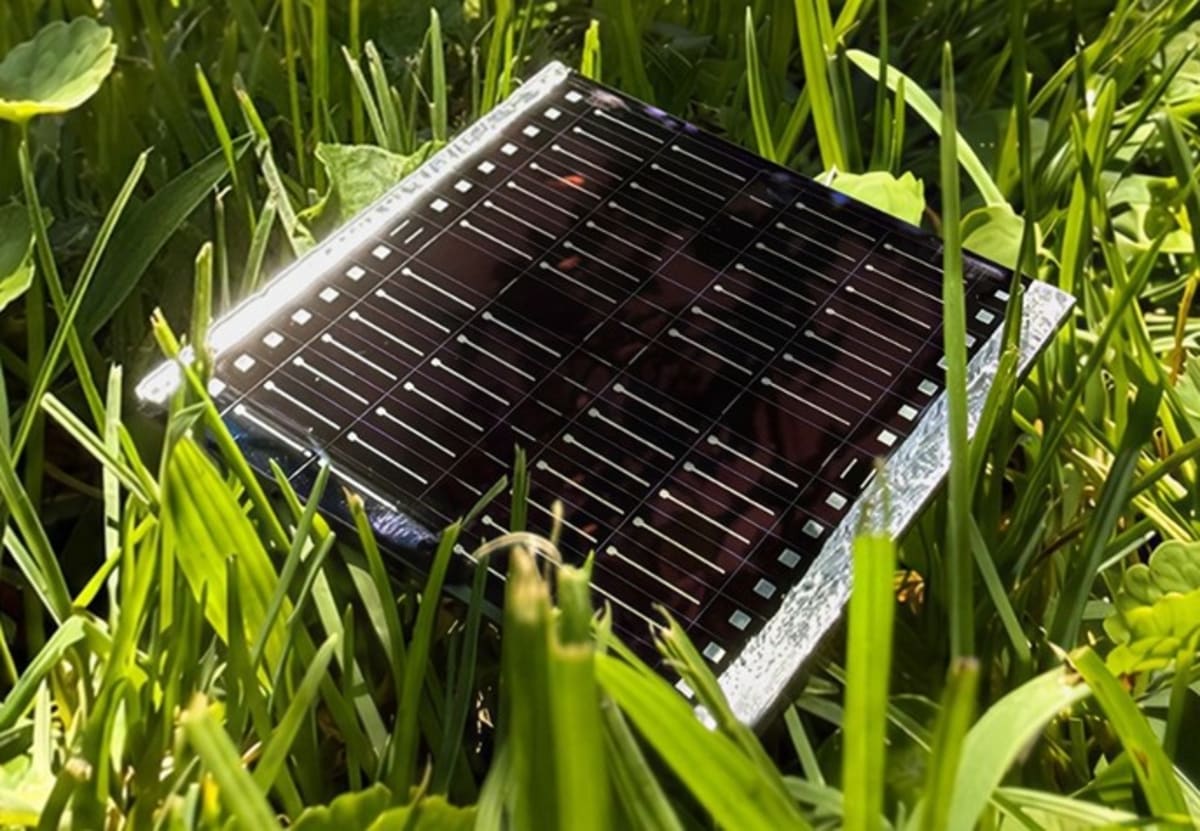
Their solution was elegantly simple. By strengthening how copper bonds with sulfur during the first heating stages, they kept all the ingredients exactly where they needed to be. The result: a certified efficiency of 12.4% and the best voltage performance ever recorded for this technology.
This matters because the solar cells use copper zinc tin sulfide, known as CZTS or kesterite. Unlike some competing materials, every ingredient is abundant and comparatively safe. No rare earths facing supply crunches. No toxic compounds raising environmental red flags.
The breakthrough builds on years of patient progress. Just last year, the same team hit 13.2% efficiency using a different approach for specialized high-bandgap cells. Before that, efficiency had plateaued around 11% for several years.
Hao sees the clearest path forward in tandem solar cells, which stack two different materials to capture more sunlight than traditional silicon panels alone. Silicon has dominated solar power for decades, but it's approaching its theoretical limits. Adding a CZTS top layer could squeeze significantly more electricity from the same rooftop space.
The Ripple Effect goes beyond just one material. The defect-control technique the team developed works for other multi-element semiconductors being developed worldwide. That means researchers working on different next-generation solar technologies can apply these same principles to their own materials, accelerating progress across the entire field.
Hao has mapped out clear milestones: 15% efficiency to build industry confidence, 17% to attract serious commercial interest, and around 20% to achieve genuine market viability. She's deliberately taking the opposite approach from some perovskite researchers who chased high efficiency first and dealt with stability problems later. Her team started with the fundamental requirements of an ideal material and built efficiency gains from that solid foundation.
The manufacturing breakthrough also positions CZTS as a practical option for commercial solar panel makers. Cost remains the ultimate hurdle for any new technology trying to compete with silicon, which has undergone decades of price reductions. Using common, stable, environmentally friendly materials gives kesterite a fighting chance.
Silicon will likely remain dominant overall, but technologies like CZTS offer something silicon can't deliver alone: more power per square foot when space is limited. For urban rooftops, vehicle-mounted panels, or portable applications, that efficiency boost could make the difference between viable and impossible.
The research appears in Nature Energy, marking another step toward solar panels that are both powerful and planet-friendly.
Based on reporting by Google News - Solar Power Record
This story was written by BrightWire based on verified news reports.
Spread the positivity!
Share this good news with someone who needs it