Scientists Know Disease Cures, But Incentives Delay Them
Medical researchers have solved mysteries behind deadly diseases like heart disease and malaria, yet broken incentive systems keep lifesaving treatments from reaching patients for decades. Science communicator Saloni Dattani reveals why the cures we need aren't making it to the finish line.
We've cracked the code on diseases that once seemed unstoppable, but millions still suffer from conditions we know how to treat.
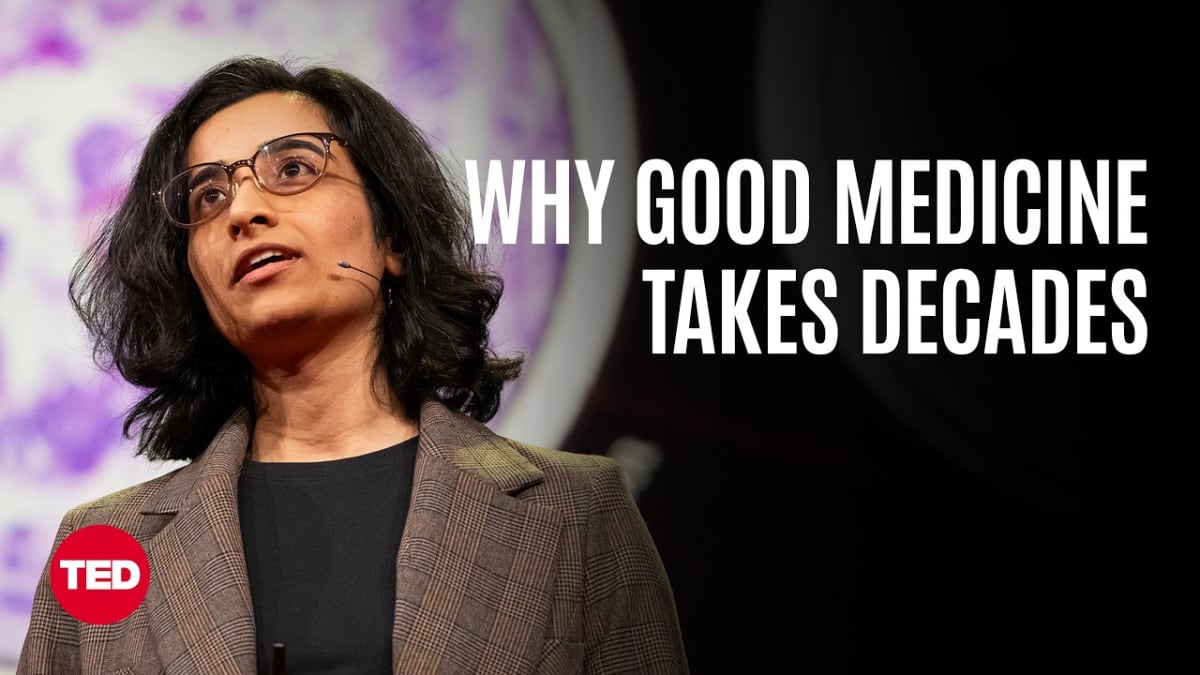
In a powerful TED talk recorded in April 2026, science communicator Saloni Dattani shared a truth that's both inspiring and frustrating. Medical innovation has quietly revolutionized healthcare, slashing death rates from killers like heart disease and malaria. Yet other lifesaving treatments sit on shelves, delayed by systems that reward the wrong things.
The progress we've made is remarkable. Heart disease death rates have plummeted thanks to decades of research into cholesterol, blood pressure, and preventive care. Malaria treatments have saved millions of lives across Africa and Asia through better drugs and mosquito control programs.
But here's the problem: the incentives driving medical research don't always align with saving the most lives. Pharmaceutical companies focus on treatments that promise the biggest profits, not necessarily the biggest impact. Academic researchers chase publications and grants, sometimes sidelining practical applications of their discoveries.
Dattani's message cuts through the usual healthcare debate with refreshing clarity. "Diseases are not a fact of life," she insists. "They're problems that we can solve."
Why This Inspires
This story matters because it reframes how we think about disease. Instead of accepting suffering as inevitable, Dattani shows us that we already have many solutions. The challenge isn't scientific anymore for many conditions. It's structural.
Her talk empowers us to ask better questions. Why does a life-saving drug take 15 years to approve when we know it works? Why do profitable treatments get fast-tracked while cures for rare diseases languish? Understanding these broken incentives is the first step to fixing them.
The medical revolution she describes isn't hypothetical. Real people are living longer, healthier lives because researchers refused to accept disease as unchangeable. That same determination can fix the systems holding us back.
When we recognize that diseases are solvable problems rather than inevitable tragedies, we unlock the possibility of a healthier future for everyone.
Based on reporting by TED
This story was written by BrightWire based on verified news reports.
Spread the positivity!
Share this good news with someone who needs it