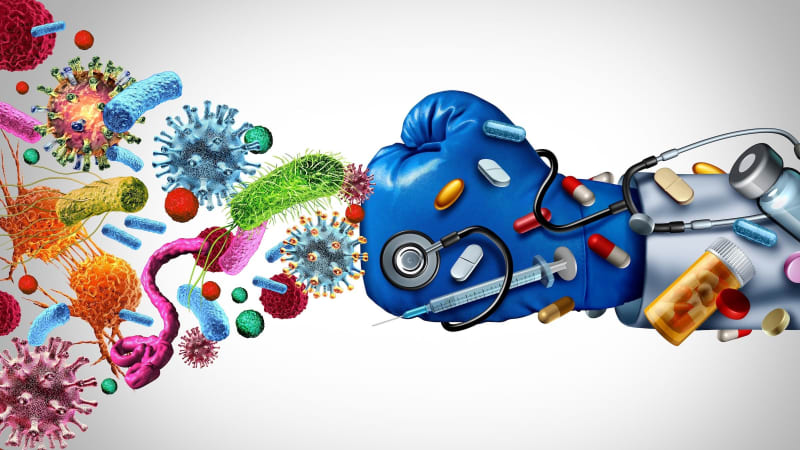
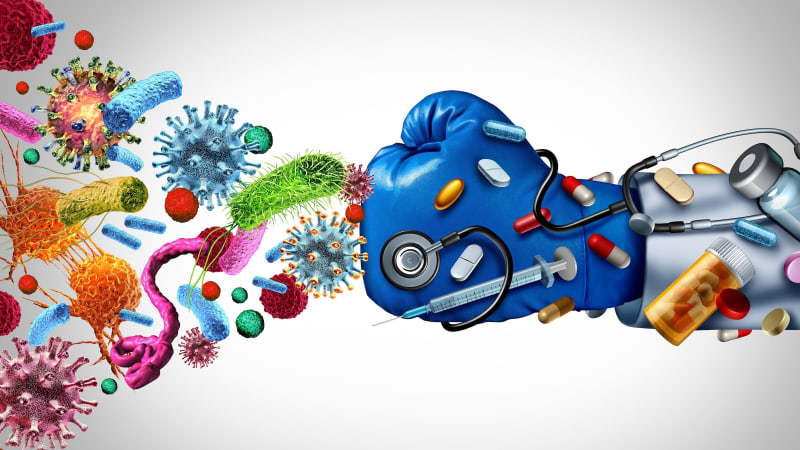
Scientists Launch 4 New Weapons Against Antibiotic Resistance
Doctors are racing to stay ahead of deadly superbugs that resist all known antibiotics, but breakthrough tools could change everything. New rapid tests, virus therapies, and gene-editing treatments offer real hope in a fight that claims nearly 5 million lives globally each year.
Imagine walking into a hospital with an ear infection and hearing your doctor say, "We're out of options." That nightmare became reality for a Nevada woman in 2016 when a bacterial infection resisted all 26 antibiotics available in the United States.
The threat is growing fast. More than 2.8 million Americans face antibiotic-resistant infections annually, and globally, antimicrobial resistance contributes to nearly 5 million deaths each year.
But scientists aren't backing down. Microbiologists and biochemists are deploying four major strategies that could transform how we fight these superbugs in the next decade.
The first breakthrough is speed. For years, doctors treating mystery infections had to guess, often prescribing broad-spectrum antibiotics that kill many bacteria at once. These powerful drugs save lives but also give harmless bacteria a chance to develop resistance while waiting days for lab results.
New technology is slashing that wait time from days to hours. Advances in genomic sequencing, microfluidics, and artificial intelligence can now identify bacterial species and predict which antibiotics will work almost immediately. Some tests can even anticipate how resistance might evolve before it happens.
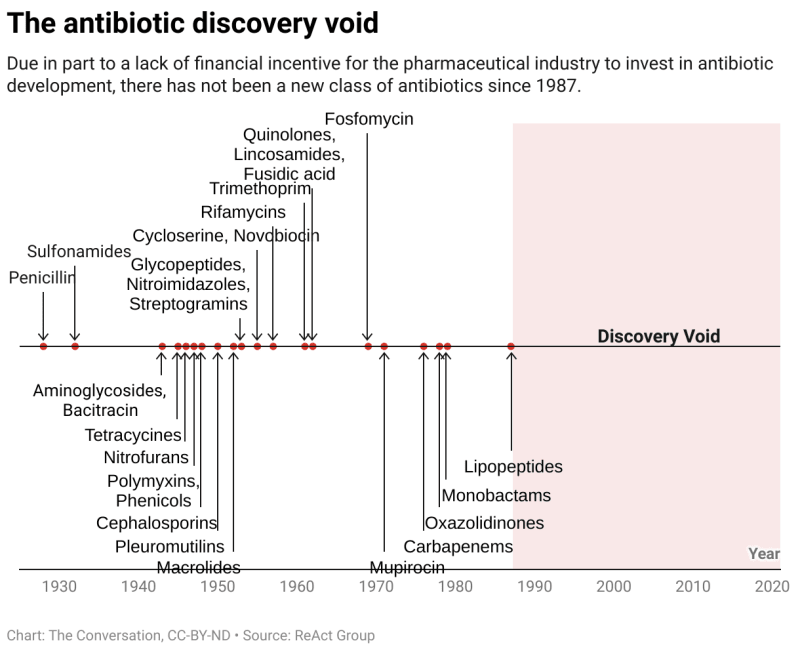
The second strategy expands our arsenal beyond traditional pills. Since 1987, not a single new class of antibiotics has been discovered, partly because pharmaceutical companies lack financial incentive to invest in development.
Researchers are filling the gap with creative alternatives. Bacteriophage therapy uses viruses that hunt and destroy specific harmful bacteria without touching beneficial ones. Scientists are also testing microbiome treatments that crowd out infections by restoring healthy bacterial communities.
Even more futuristic options are emerging. CRISPR gene-editing tools can precisely disable resistance genes inside bacteria. Antimicrobial peptides puncture bacterial membranes like tiny bullets. Nanoparticle delivery systems transport treatments directly to infection sites with minimal side effects.
The third and fourth approaches tackle resistance at its source. Researchers are examining how resistance genes spread through unexpected channels like soil, wastewater, plastics, and waterways. By understanding these environmental pathways, they can design interventions that stop superbugs before they reach hospitals.
Why This Inspires
This fight showcases human ingenuity at its finest. When bacteria evolve to outsmart our best medicines, we respond by developing smarter weapons. The collaboration between doctors, researchers, and technology experts demonstrates what's possible when diverse minds unite against a common threat.
These innovations won't eliminate antibiotic resistance overnight, but they represent the precision tools and creative thinking needed to protect modern medicine for generations ahead.
More Images

Based on reporting by Live Science
This story was written by BrightWire based on verified news reports.
Spread the positivity!
Share this good news with someone who needs it