Scientists Launch Independent Autism Research Group
Leading autism researchers and advocates formed a new independent committee to guide autism research priorities and counter recent federal changes. The group aims to unite the autism community and protect evidence-based research as funding reaches $568 million annually.
When federal autism advisors were replaced with vaccine skeptics, scientists decided to build their own committee instead.
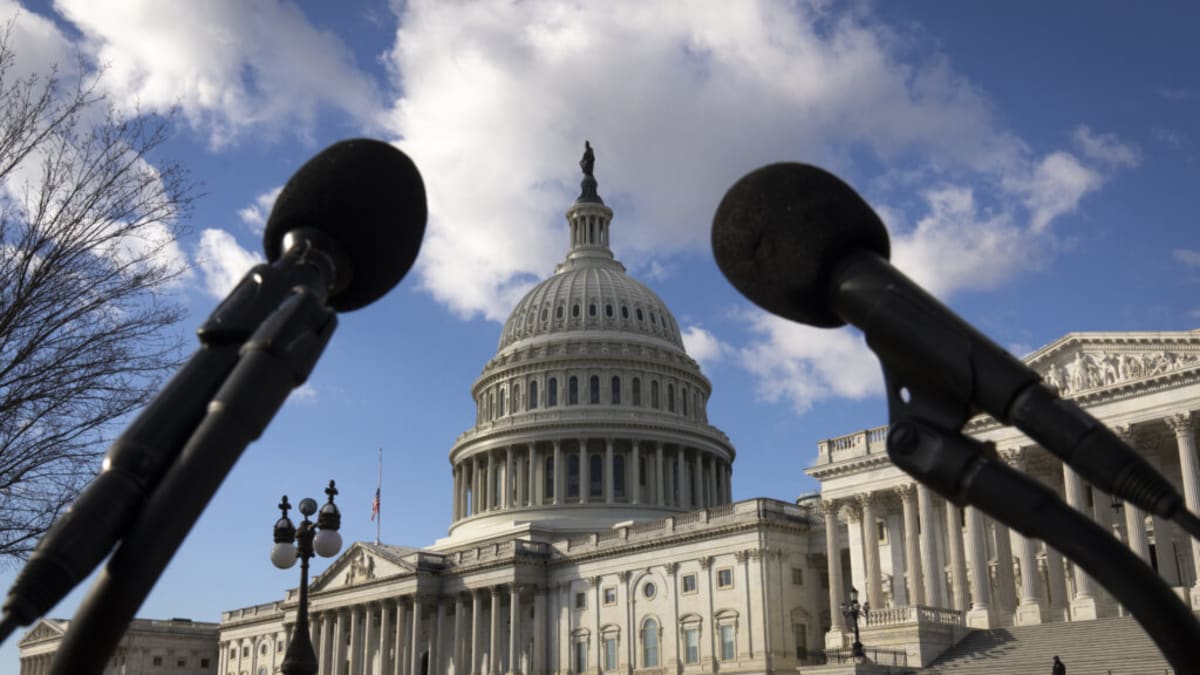
Leading autism researchers and advocates gathered in Washington on Thursday to launch the Independent Autism Coordinating Committee. The group formed in direct response to Health Secretary Robert F. Kennedy Jr. appointing 21 new members to the federal autism advisory committee, many of whom have connected autism to vaccines despite overwhelming scientific evidence disproving this link.
The independent group spent their first meeting outlining research priorities that matter most to autistic people and their families. They focused on genetic biomarkers, co-occurring diagnoses, and boosting studies for people with higher support needs who have little to no speaking ability.
Craig Snyder, a consultant and former board member at Autism Speaks, said the new federal committee has a "striking absence of scientific expertise." Many members of the independent group previously served on the federal committee, including Joshua Gordon, who chaired it for eight years as director of the National Institute of Mental Health.
The timing was intentional. Organizers scheduled their inaugural meeting for March 19 to coincide with the federal committee's first public meeting, which was cancelled without explanation.
Alison Singer, co-founder of the Autism Science Foundation, organized the effort. She shared that autism research funding has grown from $419 million to $568 million over five years, with private organizations now providing 40% of total funding.
The Ripple Effect
While the independent committee lacks the legal power to direct federal research dollars, its members hold serious influence. They connect to major advocacy organizations and private funders like the Simons Foundation, meaning the research agenda they set could significantly shape autism science for years to come.
The group deliberately avoided the tension that often marked federal committee meetings in the past. Members noted the collaborative atmosphere, though some autism advocates raised concerns that only one committee member is autistic and all initial members are white.
Helen Tager-Flusberg, director of the Center for Autism Research Excellence at Boston University, acknowledged adding more autistic voices is "a no-brainer." The committee discussed expanding membership to better represent the community they serve.
The independent group hopes to unite rather than divide the autism community during a time of rapid change. Autism diagnoses continue to rise, research funding is ballooning, and families navigate increasingly complex insurance challenges for services.
Scientists and advocates are proving that when evidence-based research faces threats, the community can create its own path forward.
More Images

Based on reporting by STAT News
This story was written by BrightWire based on verified news reports.
Spread the positivity!
Share this good news with someone who needs it