Scientists Link DNA Repair to Longer, Healthier Lives
New research shows that fixing damaged DNA might be the key to living healthier for longer. Scientists are exploring whether boosting our body's natural repair systems could slow down aging itself.
What if the secret to staying healthy as we age is already inside us, just waiting to be unlocked?
Scientists are discovering that damaged DNA might be the common thread behind many signs of aging. When our cells can't repair this damage properly, it shows up as wrinkles, weak muscles, fading memory, and countless other changes we associate with getting older.
The breakthrough came as researchers noticed a pattern. People and animals with better DNA repair systems tend to stay healthier longer.
This revelation has sparked a wave of hopeful research. Labs around the world are now exploring whether we can boost our body's natural repair abilities to keep people healthy well into their later years.
The approach differs from traditional anti-aging research in an important way. Instead of treating individual age-related diseases separately, scientists are targeting what might be a root cause of aging itself.
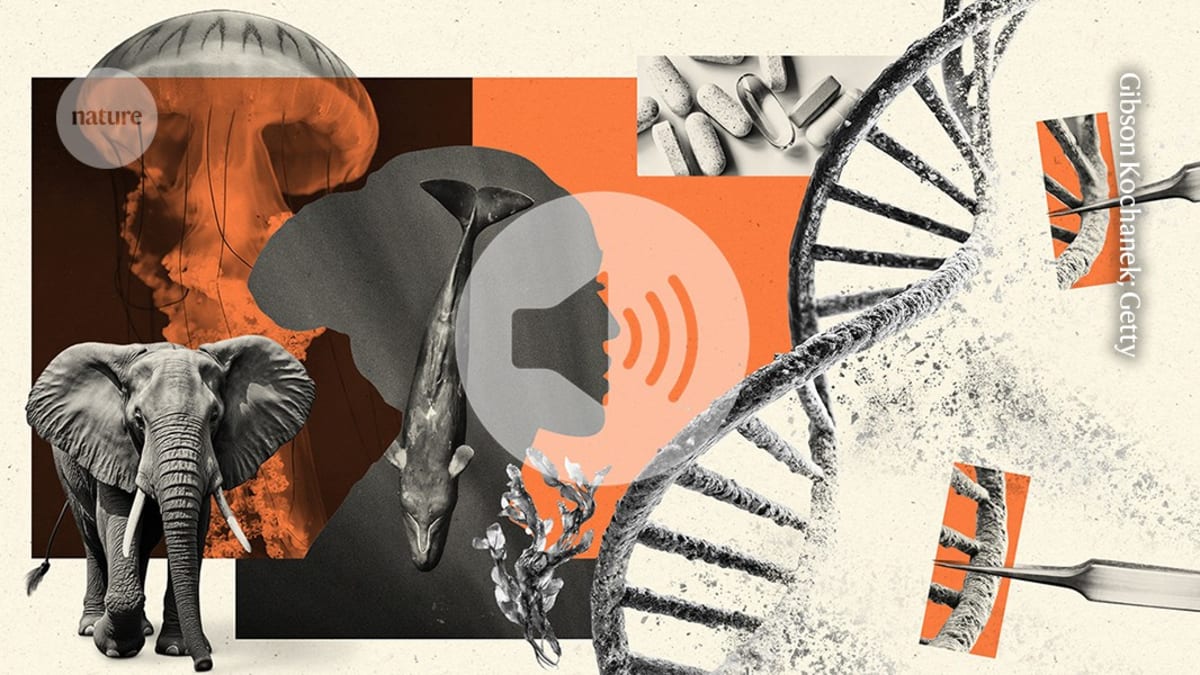
Early studies have examined creatures with remarkable lifespans. Bowhead whales live for centuries, and naked mole rats thrive for decades without showing typical signs of aging. Both have exceptional DNA repair systems.
The Ripple Effect
This research could transform how we think about aging and health. If DNA repair truly underlies the aging process, boosting these systems might help people stay active, independent, and disease-free for more of their lives.
The potential extends beyond individual health. Longer healthspans (not just lifespans) could mean more time with loved ones, continued contributions to communities, and reduced strain on healthcare systems.
Several research teams are already testing ways to enhance DNA repair in humans. These aren't science fiction treatments but real clinical studies happening now.
The work builds on decades of molecular biology research. Scientists finally have the tools to understand and potentially improve how our cells maintain themselves over time.
Some researchers are investigating natural compounds that might boost repair systems. Others are exploring whether lifestyle changes could help our existing repair mechanisms work better.
The timeline remains uncertain, but the direction is clear. Understanding DNA repair as central to aging opens new possibilities that seemed impossible just years ago.
What makes this especially exciting is how it connects to other positive developments. Recent advances in gene therapy, cellular medicine, and personalized health care all support this new approach to aging.
For now, researchers emphasize that proven interventions remain exercise, good nutrition, and avoiding smoking. But the future might hold targeted ways to help our cells help themselves.
A world where people stay vital and healthy for decades longer than current averages isn't just wishful thinking anymore.
More Images

Based on reporting by Nature News
This story was written by BrightWire based on verified news reports.
Spread the positivity!
Share this good news with someone who needs it