
Scientists Live 5 Days Underwater Preparing for Mars
Four researchers just spent five days living 22 feet underwater in an extreme experiment that brings us one step closer to Mars. Their mission at Jules' Undersea Lab tested what astronauts will need to survive on future space missions.
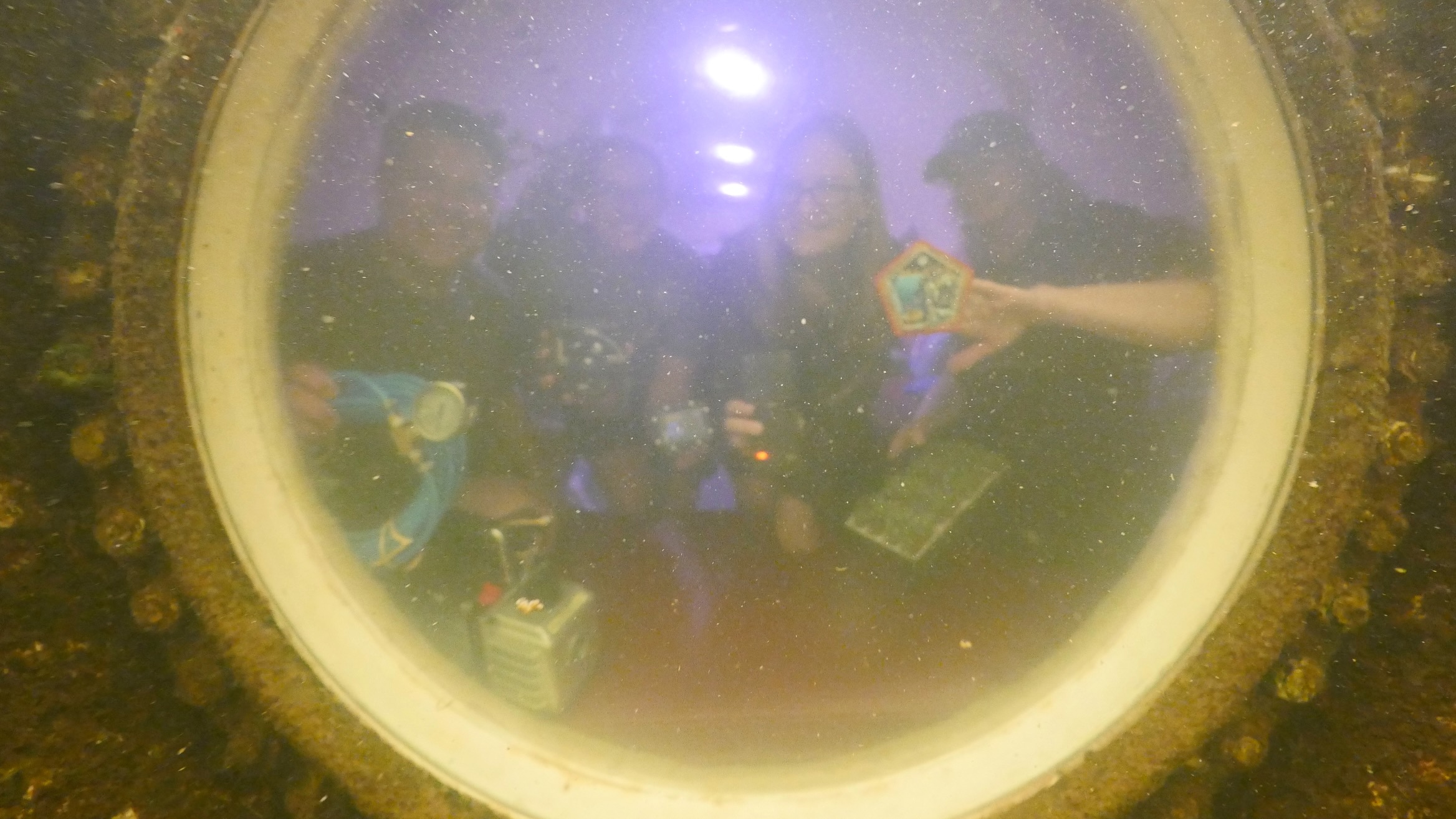
Imagine living in a small habitat with three other people, surrounded by nothing but water and the hum of life support systems keeping you alive. That's exactly what Dr. Michaela Musilova and her SEA STAR crew experienced during their five-day mission beneath the waves near Key Largo, Florida.
The team dove down to Jules' Undersea Lab and didn't surface again for five days. They lived and worked completely submerged, performing the same kinds of tasks astronauts handle on the International Space Station.
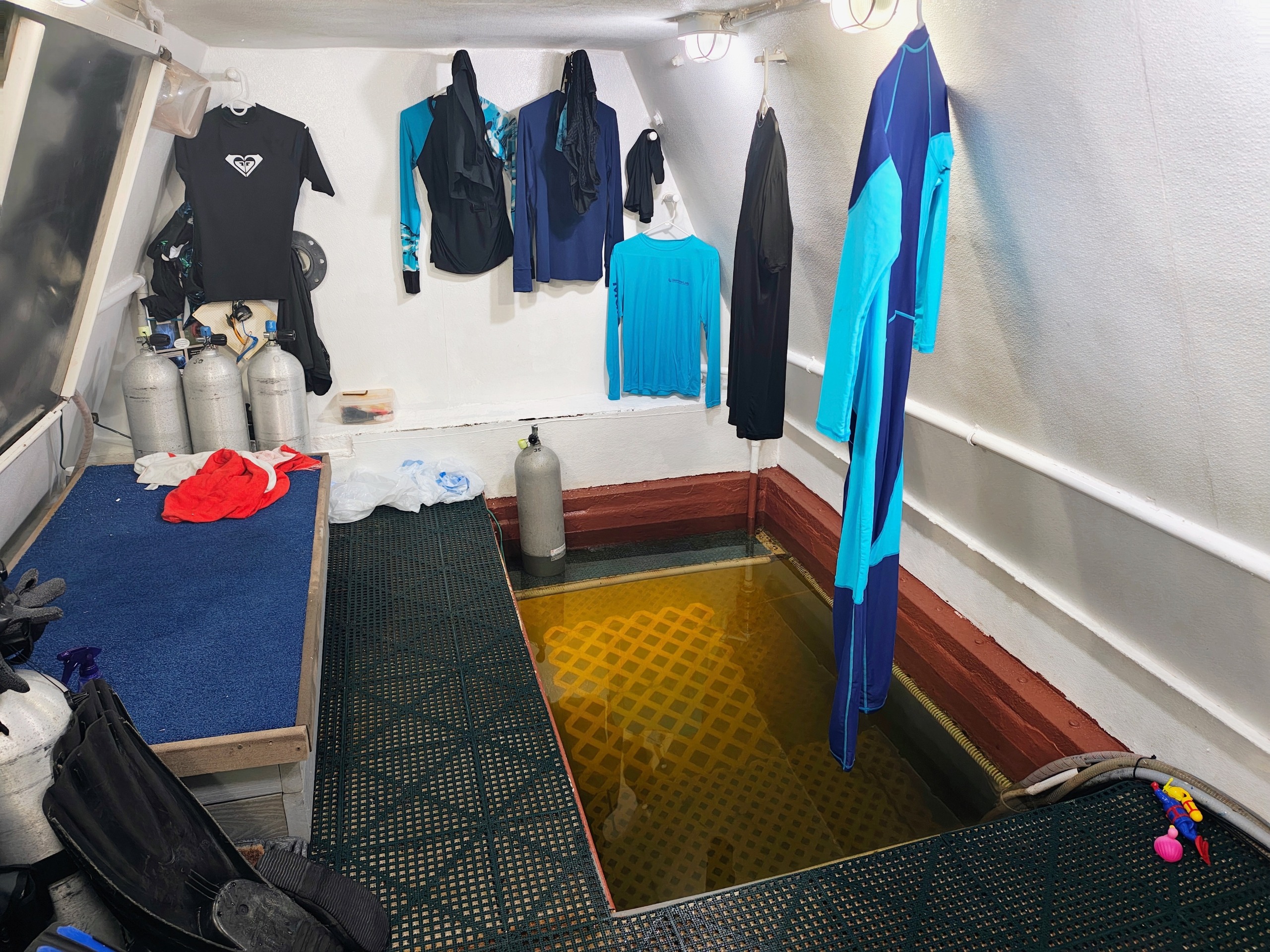
The underwater habitat became their entire world. It features a small kitchen and dining area, a basic bathroom, two bunk beds, and a "moon pool" that serves as the door to enter and exit. Three windows offered glimpses of the green underwater world outside.
Their days were packed with research projects, medical checkups, cognitive tests, and maintenance work. Between tasks, they performed "spacewalks" by diving in scuba gear to explore the ocean floor. The physical demands were so intense that they didn't need additional exercise, unlike astronauts on the ISS who work out for hours daily.
Living underwater creates unique challenges that mirror space travel. The pressure at that depth is twice what we experience on land, putting extra stress on the human body. NASA originally supplied the communications and life support systems that keep aquanauts alive in this extreme environment.
Jules' Undersea Lab has an impressive history. Built in the 1970s as a mobile research station called "La Chalupa," it has hosted missions that set world records for underwater living, including stays of 73 and 100 days. NASA even conducted a 30-day project there.
The Ripple Effect
This underwater research station helps scientists answer critical questions about long-duration space missions without the enormous cost of actually going to space. Every meal cooked in their small crockpot, every maintenance problem solved, and every moment of isolation managed provides valuable data for future Mars missions.
The crew found the experience surprisingly peaceful and even enjoyable. Small comforts like warm soups and overnight oats boosted their spirits during the mission. None of them felt particularly stressed, despite being cut off from the world above.
Their success proves we're getting closer to making Mars missions a reality, one underwater day at a time.
More Images


Based on reporting by Space.com
This story was written by BrightWire based on verified news reports.
Building Something New? Try the BrightWire Tech Stack Advisor
Compare modern frameworks, cloud hosting, and AI tools tailored to your project budget and scale.
Spread the positivity!
Share this good news with someone who needs it

