Scientists Map 332 Hidden Canyons Under Antarctic Ice
A massive mapping project just revealed hundreds of submarine canyons beneath Antarctica's ice, some plunging 4,000 meters deep. This discovery rewrites our understanding of how ocean currents and melting ice affect global sea levels.
The ocean floor beneath Antarctica just became five times more complex than scientists thought, and this discovery could transform how we predict rising seas.
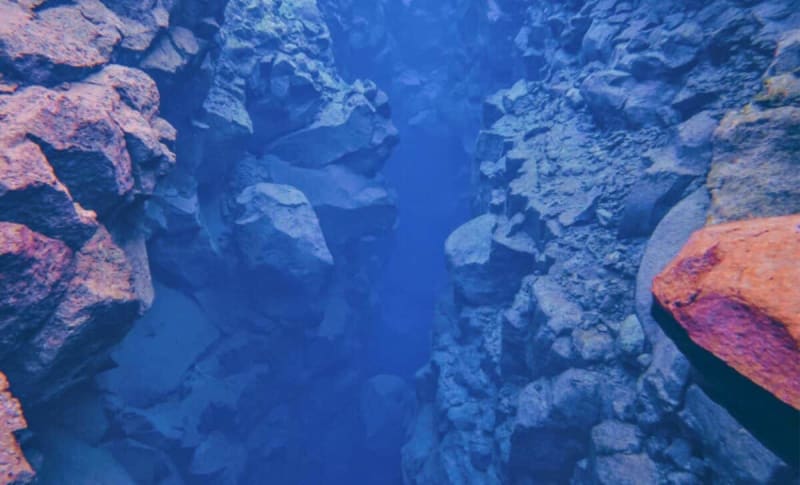
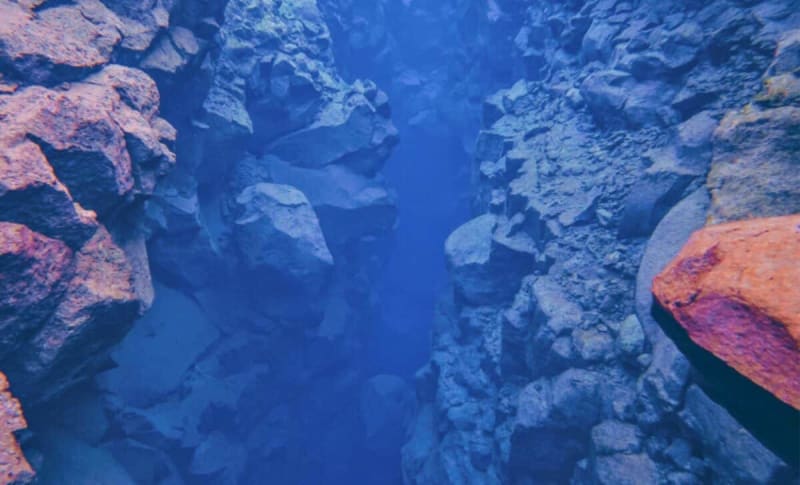
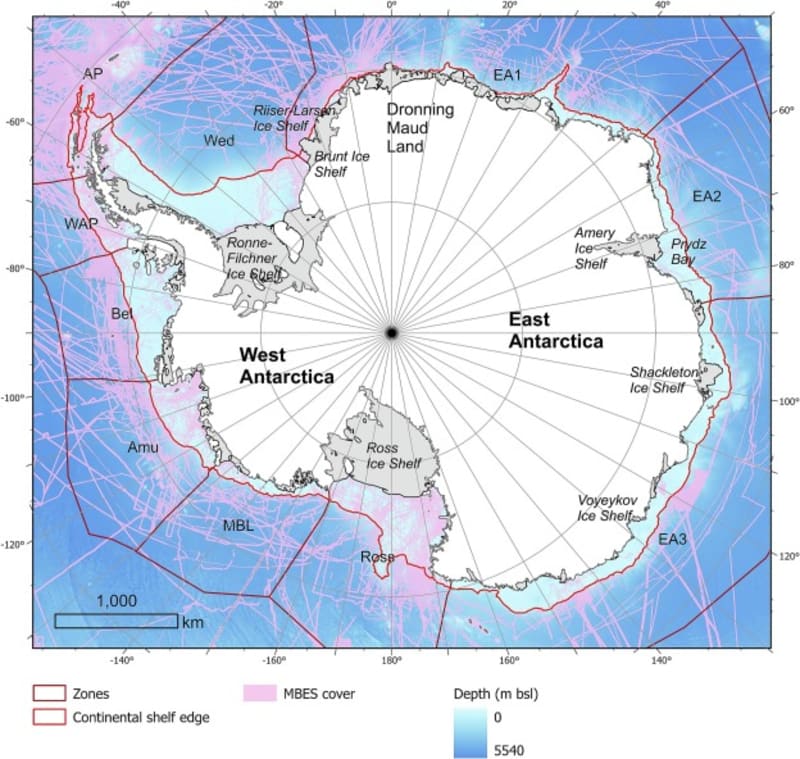
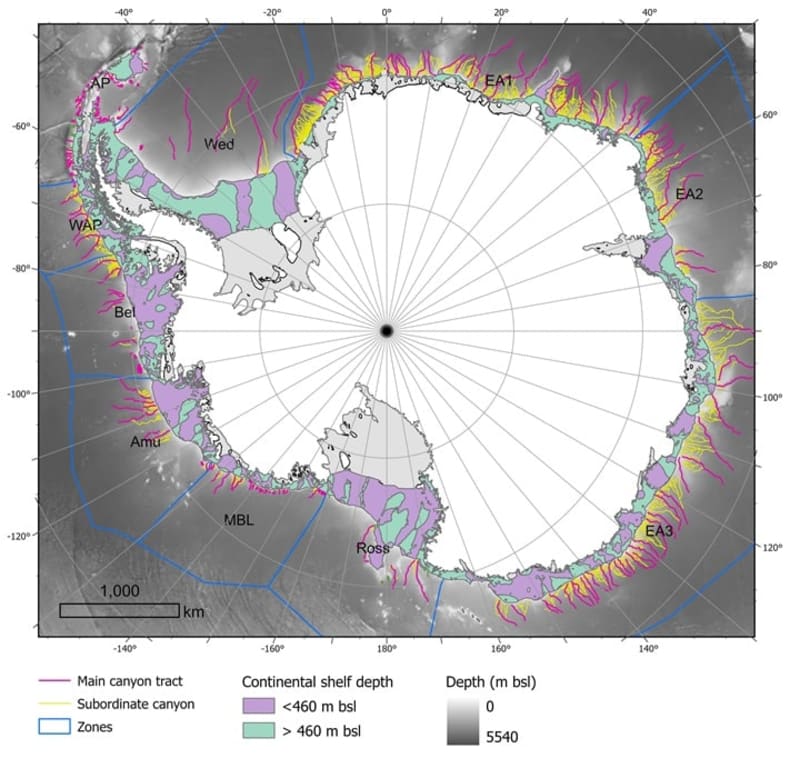
Researchers from the University of Barcelona and University College Cork finished mapping the Antarctic seafloor last year after compiling data from over 40 international expeditions. What they found changed everything. Instead of the relatively flat surface depicted in climate models, they discovered 332 massive submarine canyons carved into the continental margin, with some reaching depths of more than 4,000 meters.
These aren't just geological curiosities. The canyons act as highways for ocean water, channeling warm currents toward the ice and carrying fresh meltwater back out to sea. Understanding these pathways matters because warm water flowing through the canyons can melt ice shelves from below, a process that current sea level models don't accurately capture.
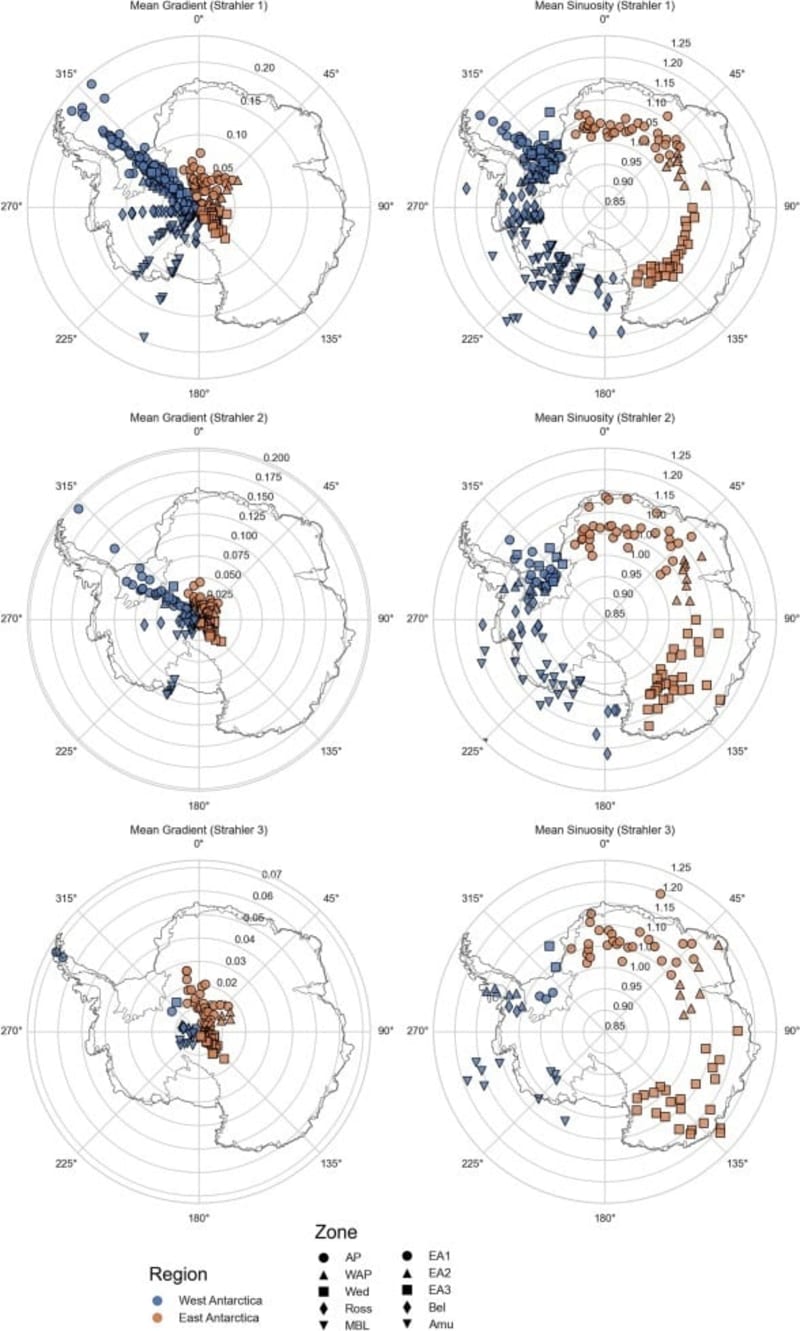
The mapping revealed something unexpected about how the canyons differ between East and West Antarctica. Eastern canyons branch like river systems, with multiple tributaries feeding into main channels, suggesting they formed slowly under stable ice sheets. Western canyons run steeper and straighter, indicating they developed more recently under rapidly changing conditions.
The Bright Side
This discovery arrives exactly when scientists need it most. For years, climate models have treated the Antarctic seafloor as mostly featureless because researchers simply didn't have the data. That meant predictions about ice melt and sea level rise were built on guesswork about how ocean water moves beneath the ice.
Now researchers can feed actual topographic data into their models. Dr. Alan Condron from Woods Hole Oceanographic Institution, who reviewed the study published in Marine Geology, emphasized that these canyon systems play a fundamental role in ice-ocean interactions, not a marginal one.
The structural differences between eastern and western canyon systems also provide clues about regional vulnerability. The steeper western canyons may deliver warm water to ice shelf grounding lines more efficiently, helping explain why West Antarctic ice is melting faster than its eastern counterpart.
Mapping these features required navigating treacherous sea ice conditions with multibeam sonar systems capable of penetrating ice-covered waters. Many areas beneath permanent ice shelves remain inaccessible, meaning some canyon systems likely extend further than currently documented.
The next phase involves deploying instruments to measure actual water flow and heat transport through specific canyons across multiple seasons. Several international research programs are already planning these deployments, building on the foundation this mapping project established.
Scientists now have a roadmap where they once had blank spaces, turning abstract models into tools grounded in physical reality.
More Images
Based on reporting by Google News - Scientists Discover
This story was written by BrightWire based on verified news reports.
Spread the positivity!
Share this good news with someone who needs it