Scientists Map 47 Million Galaxies in 3D Atlas of Universe
After five years of stargazing, a telescope in Arizona just completed the most detailed 3D map of the universe ever created, capturing 47 million galaxies across 11 billion years of cosmic history. The breakthrough could finally reveal how dark energy shapes our universe's fate.
Imagine mapping nearly 50 million galaxies, one tiny point of light at a time. That's exactly what scientists at Arizona's Kitt Peak National Observatory just finished doing.
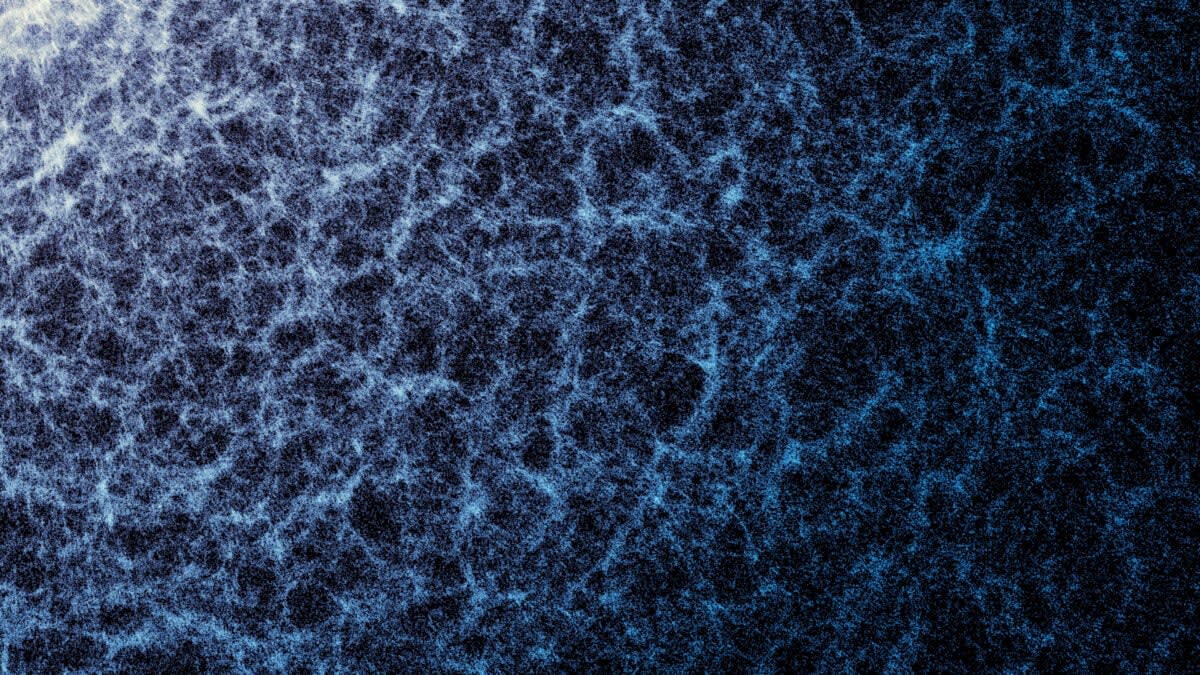
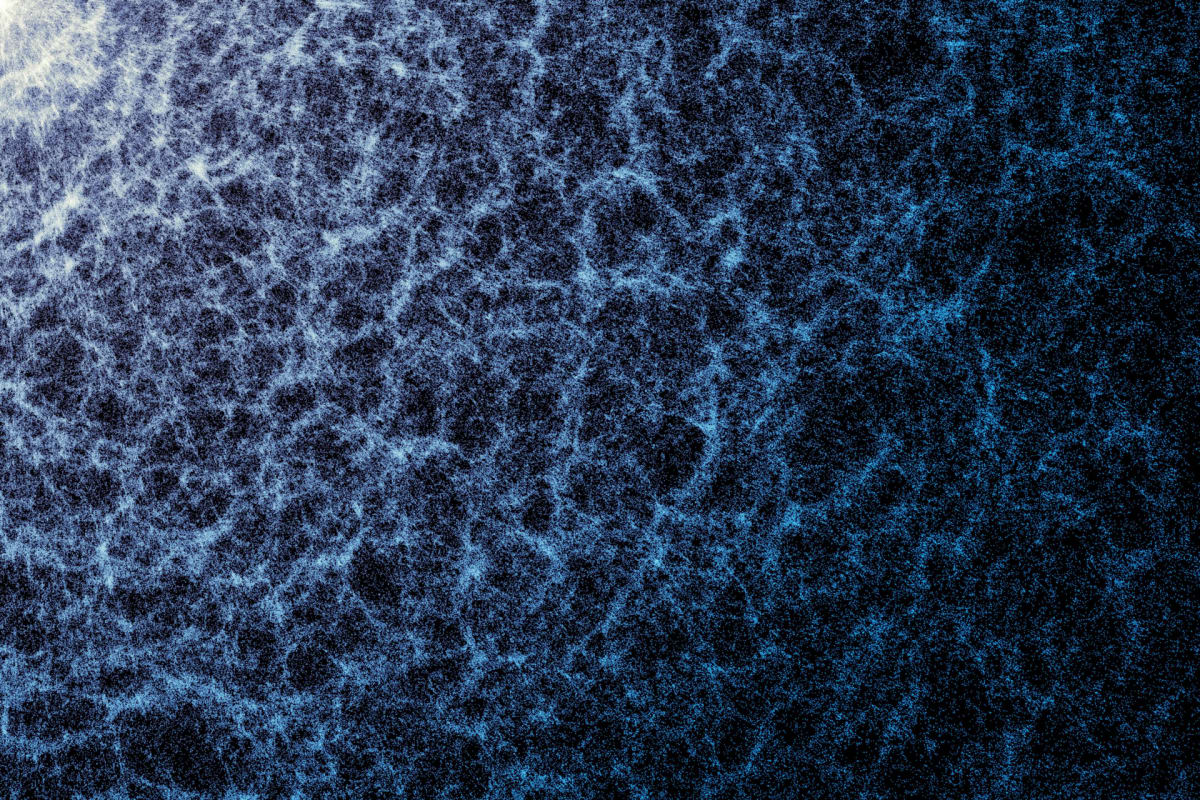
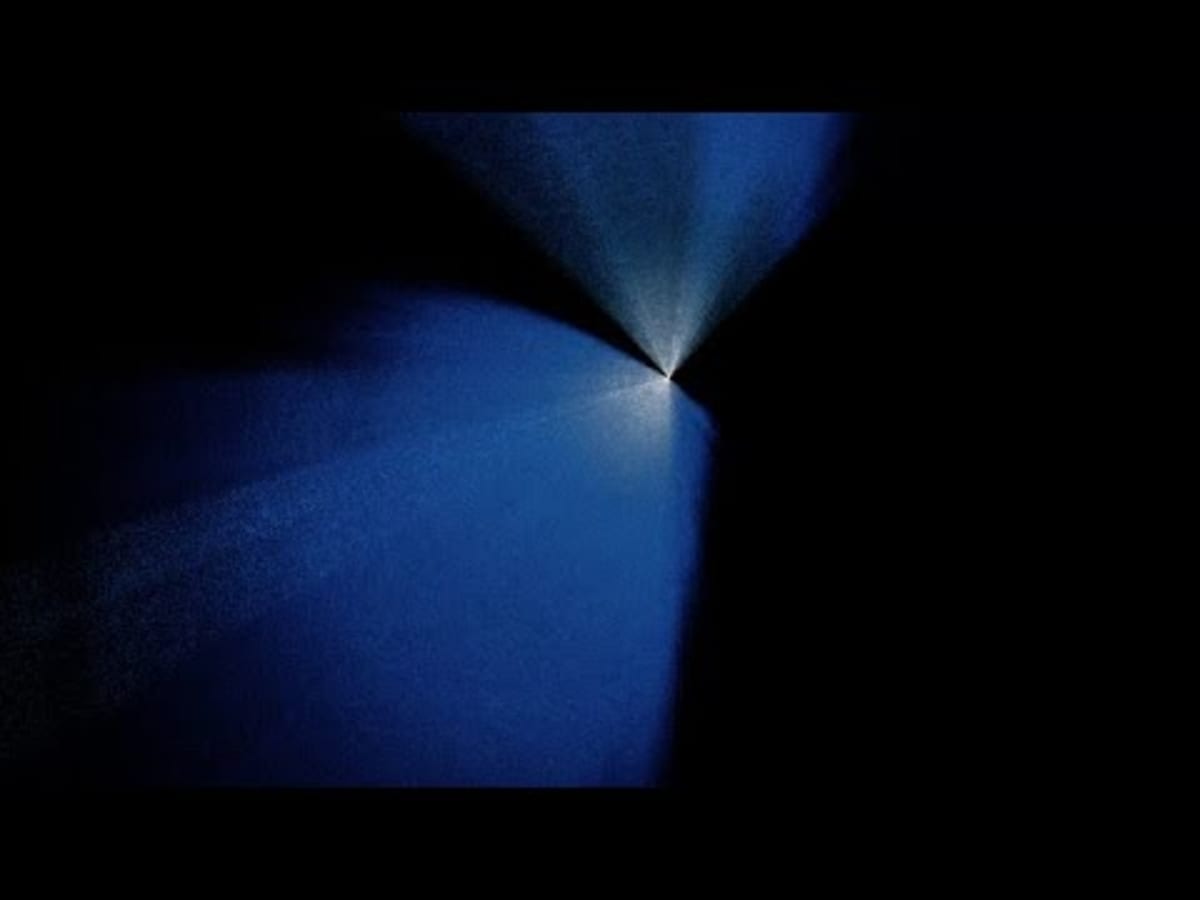
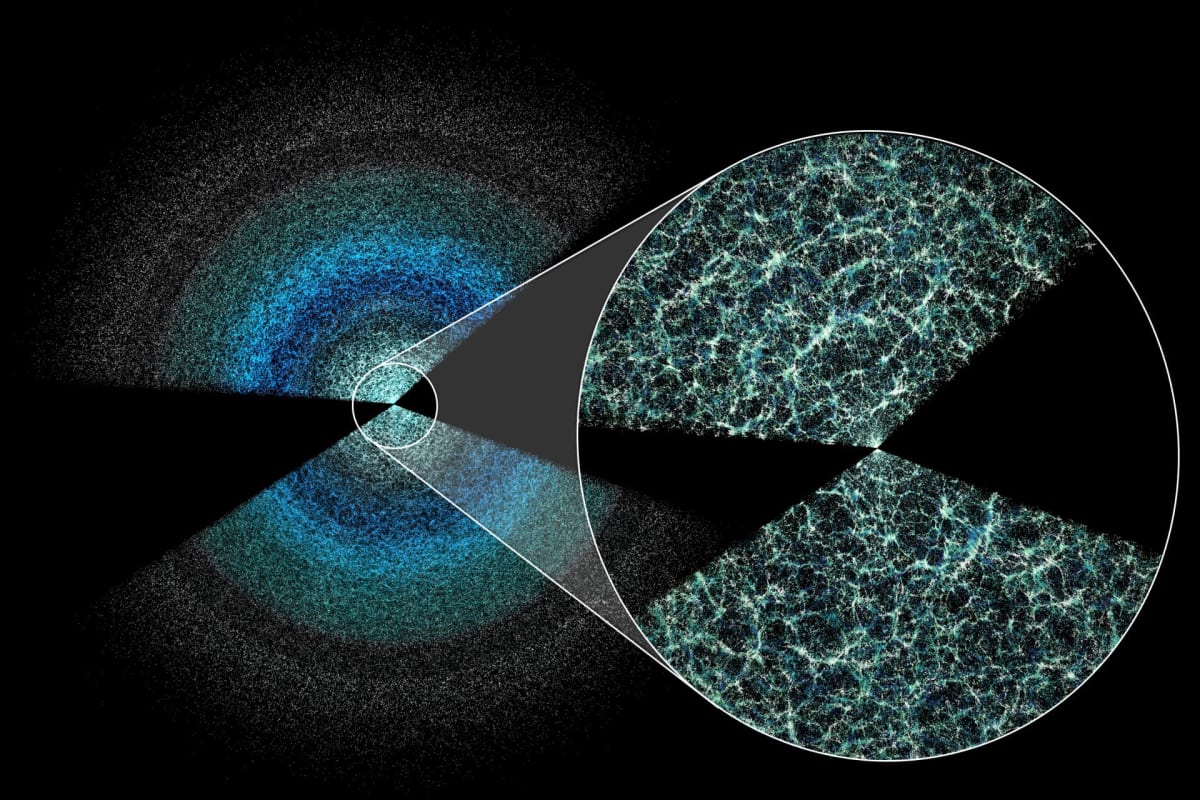
The Dark Energy Spectroscopy Instrument, or DESI, wrapped up its groundbreaking five-year survey last night. The result is a stunning 3D map showing 47 million galaxies and quasars, plus 20 million nearby stars, spanning 11 billion years of cosmic history.
"I feel very excited! It's a huge accomplishment," says Adam Myers, co-manager of DESI's survey operations at the University of Wyoming. Many team members spent over a decade developing the technology to make this possible.
The numbers are staggering. DESI collected data on six times as many galaxies and quasars as all previous measurements combined. Every night, its 5,000 fiber-optic "eyes" captured roughly 80 gigabytes of information about distant cosmic objects.
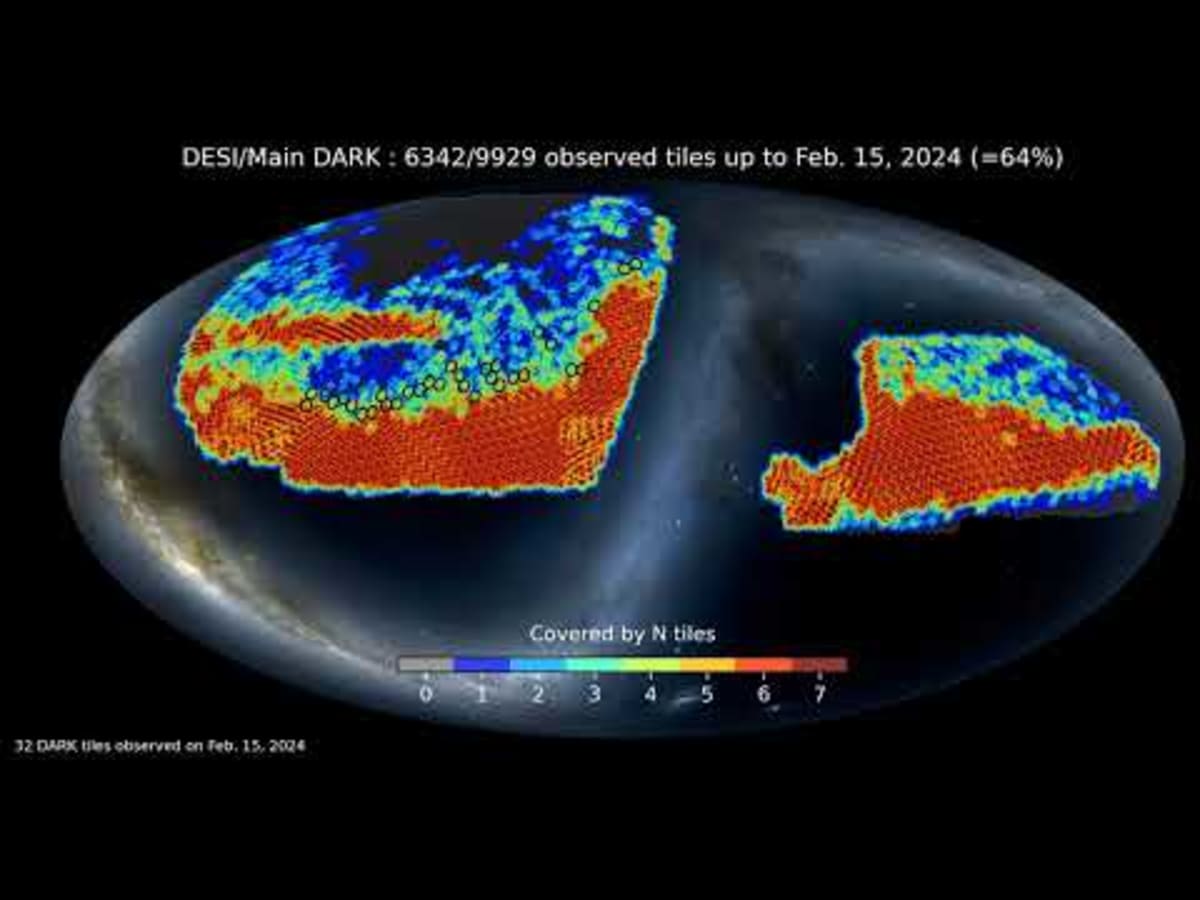
The telescope did its job so well that the team added an unexpected bonus project. They studied how moonlight affects our view of faint, faraway objects, eventually mapping two-thirds of the northern sky.
The Ripple Effect
This massive dataset could transform our understanding of dark energy, the mysterious force that makes up nearly 69% of the universe. Scientists believe dark energy drives the universe's expansion, but they're still figuring out exactly how it works.
Earlier findings from DESI's first three years suggested something revolutionary: dark energy might change over time. That contradicts long-held scientific beliefs that it stays constant. Now, with the complete five-year dataset, researchers can finally confirm or refine those groundbreaking hints.
Understanding dark energy isn't just academic curiosity. It holds the key to predicting how our universe grows and, ultimately, how it might end.
But the benefits extend far beyond dark energy research. "DESI has impacted our understanding of everything from stars and galaxies to black holes and transient objects that appear and disappear on the sky," Myers explains.
The telescope will keep working until 2028, focusing on areas it missed during the initial survey. Scientists hope this extended mapping will shed light on other cosmic mysteries like dark matter, nearby dwarf galaxies, and stellar streams.
Director Michael Levi says the team is "all curious about what new surprises are waiting for us." Researchers are already diving into the mountain of data, refining their analysis techniques and combining DESI's findings with other recent discoveries.
As the universe reveals its secrets through this extraordinary map, one thing is clear: we're entering a new era of cosmic understanding.
More Images
Based on reporting by Google News - Science
This story was written by BrightWire based on verified news reports.
Spread the positivity!
Share this good news with someone who needs it