
Scientists Map 55M Papers to Spot Hidden Breakthroughs
Researchers built a smarter way to find discoveries that truly changed science, including overlooked breakthroughs made by different teams at the same time. Their new system spotted Nobel Prize-winning work that older methods missed.
Scientists just created a better way to recognize the research papers that actually changed the course of science.
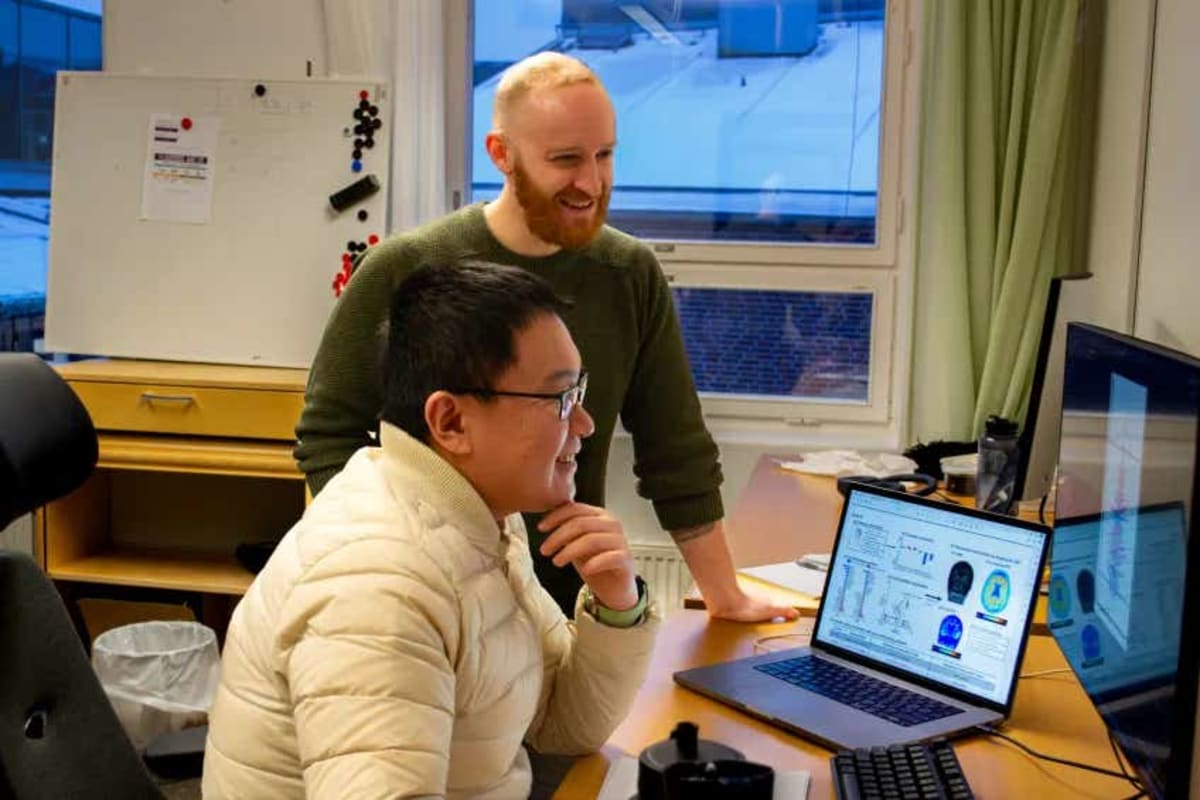
A team from Binghamton University and the University of Virginia mapped more than 55 million scientific papers and patents to build a machine-learning system that spots genuine breakthroughs. What makes their approach special is that it catches important discoveries other methods miss, especially when different researchers make the same breakthrough around the same time.
The new method, called the Embedding Disruptiveness Measure, works by giving each paper two positions on a giant research map. One position shows all the work that came before it. The other shows all the work that came after it.
When those two spots sit close together, the paper mostly continued existing research. When they land far apart, the paper likely redirected the entire field somewhere new.
The researchers tested their system on 302 Nobel Prize-winning papers and 278 landmark papers chosen by the American Physical Society. The results revealed something surprising about how science gives credit.
Some famous discoveries scored poorly on older disruption measures, not because they weren't important, but because multiple teams reached the same breakthrough independently. When two groundbreaking papers cite each other, older systems got confused and marked them as less disruptive.
The 1974 discovery of the J/ψ meson shows this problem clearly. Teams led by B. Richter and S. Ting announced the discovery simultaneously. Both papers appeared in the same journal issue and cited each other. Old measures struggled to recognize how revolutionary this work was.
Why This Inspires
The new system does more than just score papers differently. It actively searches for simultaneous discoveries that history might have overlooked.
By finding papers that later researchers used in similar ways, the team identified over 18,000 possible pairs of simultaneous discoveries in physics alone. When they manually checked 80 high-citation papers, 64 turned out to be genuine simultaneous breakthroughs.
Some involved completely independent teams reaching the same conclusion. Others showed the same researchers splitting one major finding across multiple publications.
Lead researcher Sadamori Kojaku explains that science doesn't always move in smooth, predictable steps. "Science doesn't evolve incrementally, but sometimes we see abrupt changes," he said. Understanding when and why those shifts happen requires better measurement tools.
The study, published in Science Advances, gives researchers a more accurate way to spot the work that matters most. More importantly, it helps ensure that overlooked discoveries and scientists who arrived second get the recognition they deserve.
Science moves forward through both solo genius and collective insight, and now we have a tool that honors both paths.
More Images

Based on reporting by Google: scientific discovery
This story was written by BrightWire based on verified news reports.
Spread the positivity!
Share this good news with someone who needs it