Scientists Map 64,000 Square Miles of Resilient Coral Reefs
New research identifies 166,000 square kilometers of coral reefs that can survive climate change, tripling previous estimates and giving conservationists a roadmap for where to focus protection efforts. Only 28 percent of these resilient reefs are currently protected.
For years, coral reefs have been a story about loss. But a new global analysis just rewrote that narrative with hard data and exact coordinates.
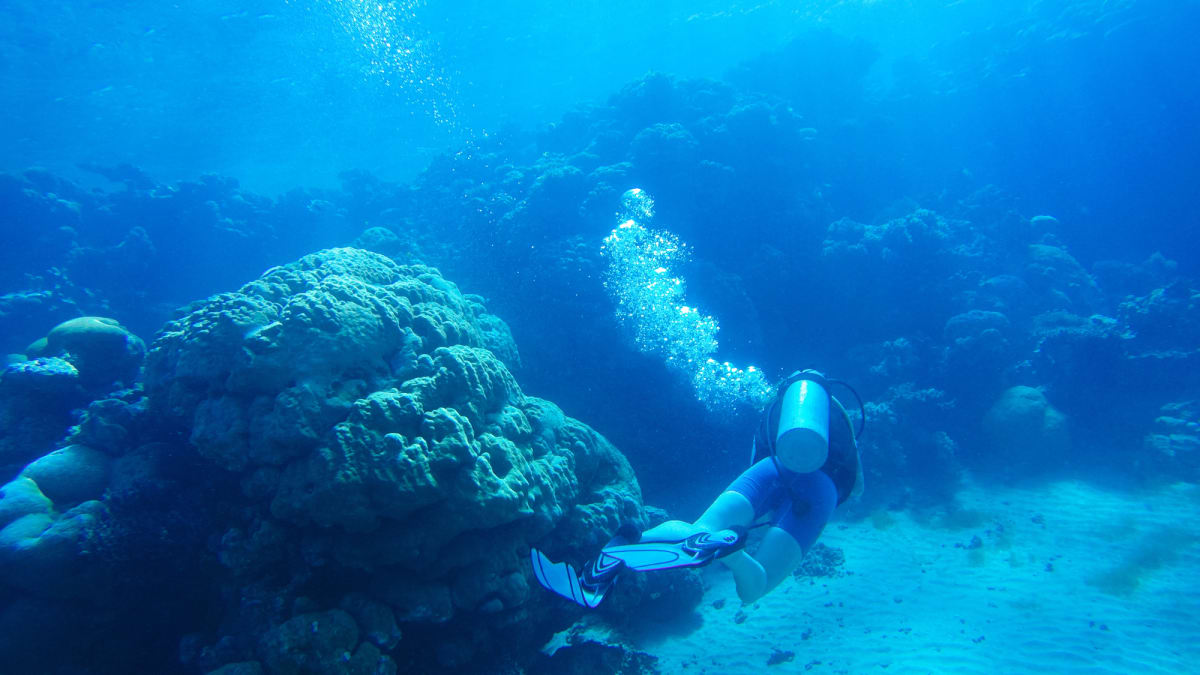
Researchers identified approximately 64,000 square miles of coral reefs capable of surviving and recovering from climate change. That's three times larger than previous estimates, and it comes with a detailed map showing exactly where these resilient reefs are located.
The team analyzed 45,000 coral surveys and decades of climate and ocean data across 71 countries and 100 territories. They found tough reefs in unexpected places, including parts of the Caribbean, Pacific, and Atlantic that weren't previously known for resilience potential.
"Coral reefs are often framed as ecosystems beyond saving," said Emily Darling, director of coral conservation at the Wildlife Conservation Society and one of the study's authors. "This research shows otherwise: we know where the hope is, and what we need now is political will."
The findings matter because they shift the conversation from inevitable decline to strategic action. When conservationists know which reefs can make it, they can focus limited resources where they'll actually work.
Stacy Jupiter, co-author and executive director of the Wildlife Conservation Society's Global Marine Program, was blunt about the implications. Some reefs may need to be left behind so others can be saved, she said, especially those below certain benchmarks for ecosystem function.
It's a hard call, but spreading thin resources across dying reefs doesn't help the ones that will survive. This research gives governments the data to make smarter choices.
The Ripple Effect
Only 28 percent of these newly identified resilient reefs currently fall within protected areas. That leaves 72 percent completely exposed, sitting outside any official conservation framework.
The timing couldn't be more critical. Countries worldwide are drafting action plans under the "30 by 30" target, a global commitment to protect 30 percent of marine environments by 2030.
This research hands them a scientifically grounded starting point. Governments now have concrete coordinates for which marine areas to include in their protection plans, especially regions that hadn't previously made conservation priority lists.
A super El Niño event is expected in the coming years, bringing intensified ocean warming and mass bleaching. The reefs identified in this study are those most likely to survive those conditions and bounce back afterward.
Protecting them before the next warming cycle hits is the window that's open right now. Jupiter described the data as a tool to direct conservation funds where they'll do the most good, giving countries drawing up marine plans somewhere concrete to start.
The dominant story about coral reefs has been grief and decline, but this research offers something different: a map showing where hope lives underwater, waiting for protection.
Based on reporting by Optimist Daily
This story was written by BrightWire based on verified news reports.
Spread the positivity!
Share this good news with someone who needs it