Scientists Map Ancient Process to Find Rare Earth Deposits
Researchers discovered that rare earth elements form above ancient subduction zones, potentially making it easier to locate deposits critical for tech and renewable energy. The breakthrough could help meet growing demand for materials essential to electric vehicles, wind turbines, and smartphones.
Scientists just cracked a billion-year-old geological code that could help us find the rare earth elements powering our green energy future.
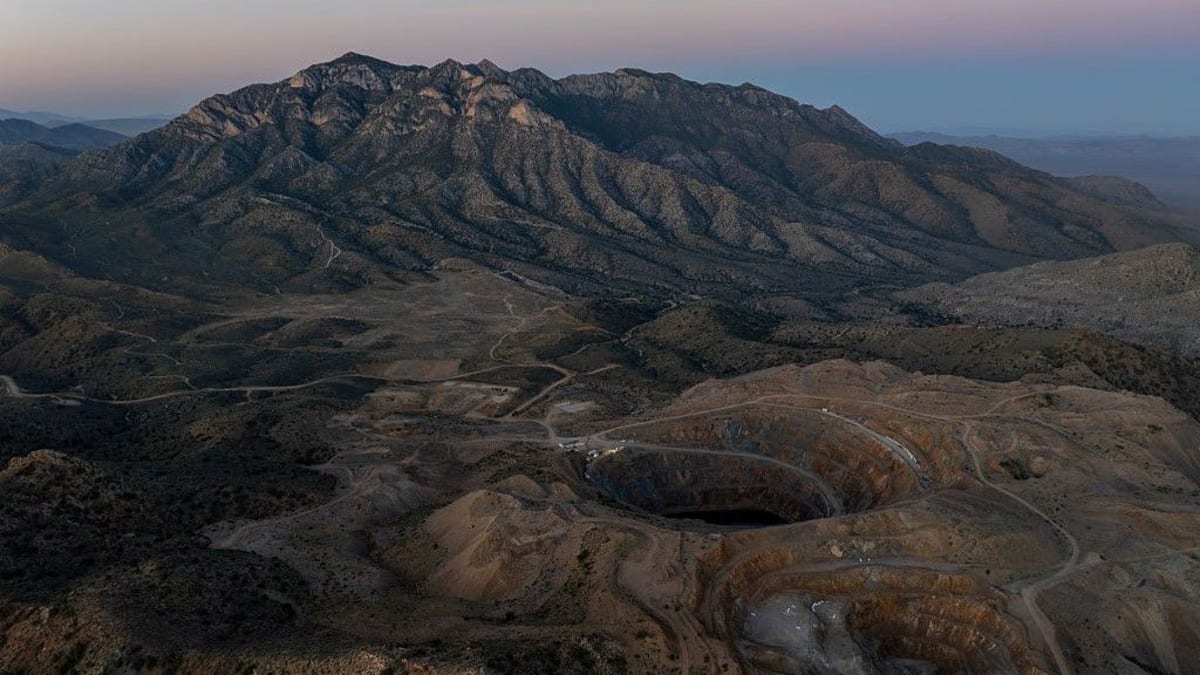
Researchers at Adelaide University discovered that these precious materials crystallize in magma blobs rich in alkali metals and carbonate minerals. The breakthrough? These deposits form above ancient subduction zones where tectonic plates once collided millions or even billions of years ago.
"This research shows that the ingredients for these critical mineral deposits were put in place many millions to even billions of years ago," said lead author Carl Spandler, a professor of geology at Adelaide University. By mapping where these ancient processes occurred, scientists can dramatically narrow the search for future discoveries.
The team used advanced modeling to reconstruct Earth's plate movements over the past 2 billion years. Then they compared ancient subduction zones with present-day rare earth deposits and found a striking pattern.
Globally, 67% of known magma blobs containing rare earth elements sit directly above these ancient zones. For deposits older than 540 million years, that number jumps to an astounding 92%.
Here's how it works. When one tectonic plate plunges beneath another, water and halogen elements get released into the overlying mantle. These substances react with surrounding rocks, creating "fertilized" regions that can remain stable for millions of years before gradually melting to produce rare earth deposits.
The time lag between ancient subduction and eventual deposit formation surprised researchers most. Some fertilized mantle regions waited billions of years before the right conditions triggered melting and mineral formation.
Why This Inspires
This discovery couldn't come at a better time. The 17 rare earth elements are essential components in electric vehicle batteries, wind turbines, and smartphones. As the world transitions to renewable energy, demand for these materials continues to grow.
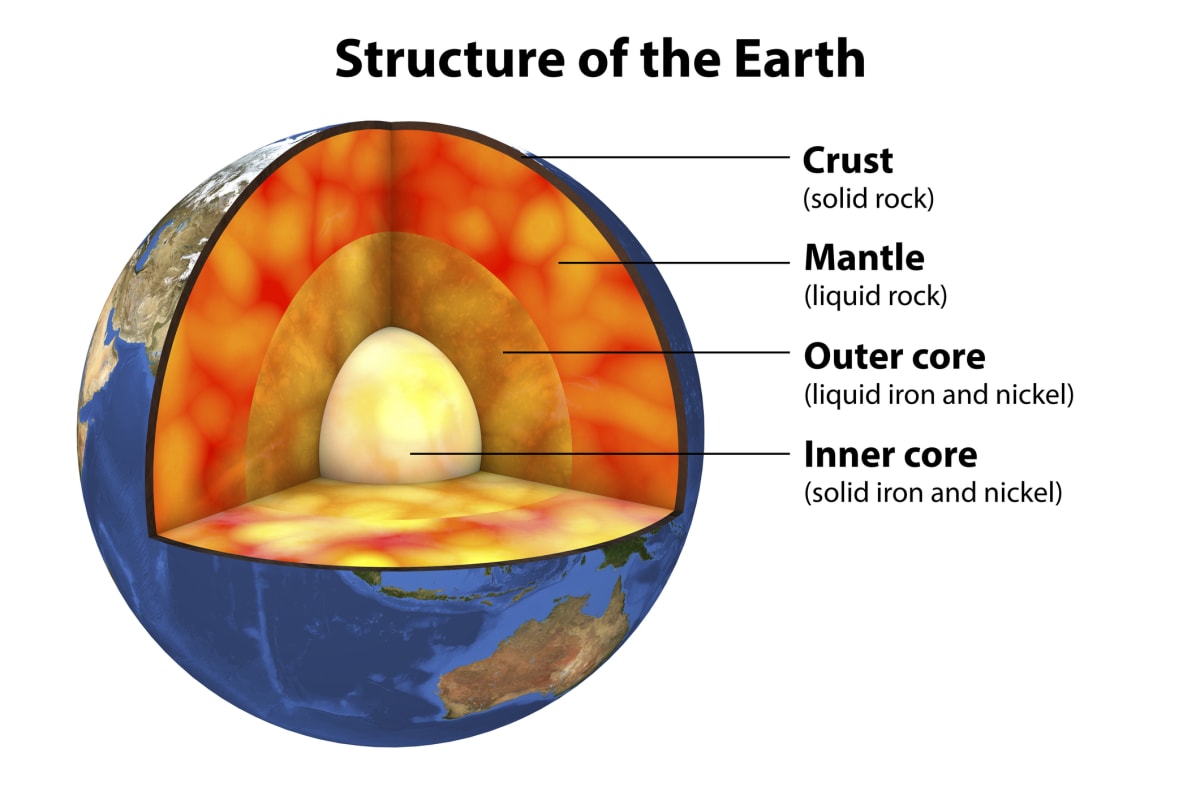
The research challenges previous theories that linked rare earth deposits mainly to mantle plumes, those giant columns of molten rock rising from near Earth's core. While plumes might play a role, the connection to ancient subduction zones proved far stronger.
Regions where multiple fertilized mantle areas overlap show even more promise. These hotspots could become prime targets for future exploration.
The findings mean mining companies and governments can focus exploration efforts on areas above ancient subduction zones rather than searching blindly. This targeted approach could accelerate discovery of deposits needed to power clean energy technology and reduce environmental impact from unnecessary exploration.
Earth has been preparing these gifts for us across unimaginable stretches of time, and now we finally know where to look.
More Images

Based on reporting by Live Science
This story was written by BrightWire based on verified news reports.
Spread the positivity!
Share this good news with someone who needs it