Scientists Map Autism Proteins, Opening Door to Treatments
Researchers created the largest autism map ever, revealing how 1,800 protein connections in the brain could lead to targeted treatments. Three new therapy programs are already underway based on these breakthrough findings.
Scientists just cracked a major puzzle in autism research that could finally lead to effective treatments for millions of people.
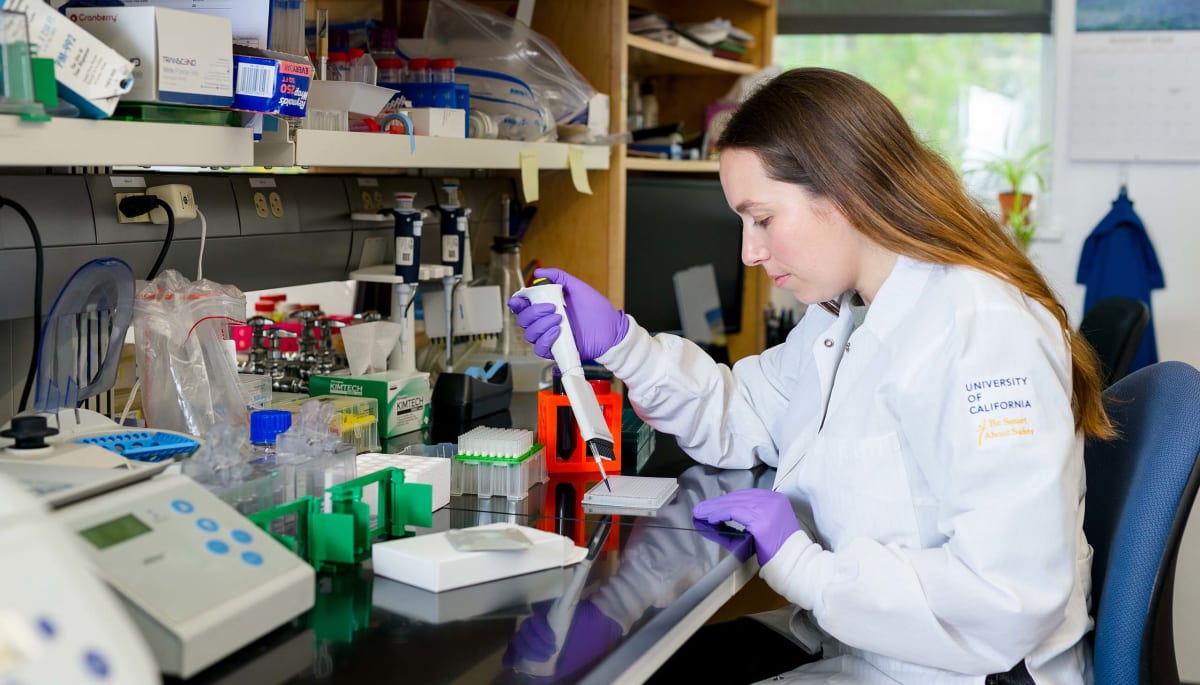
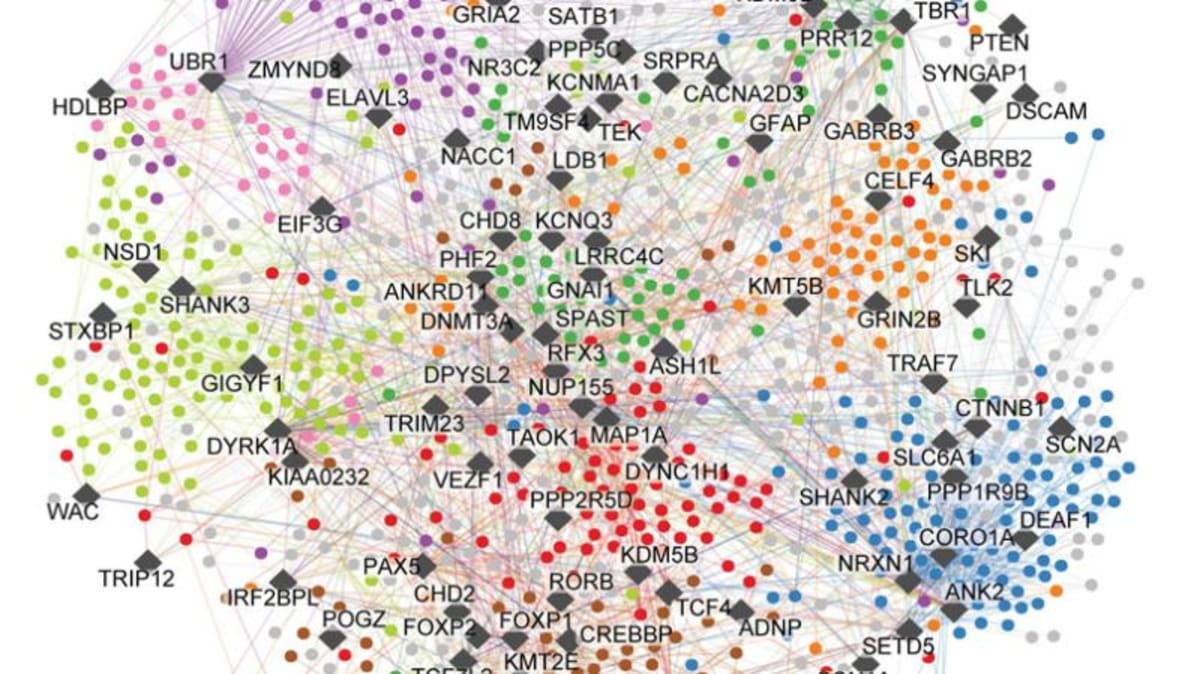
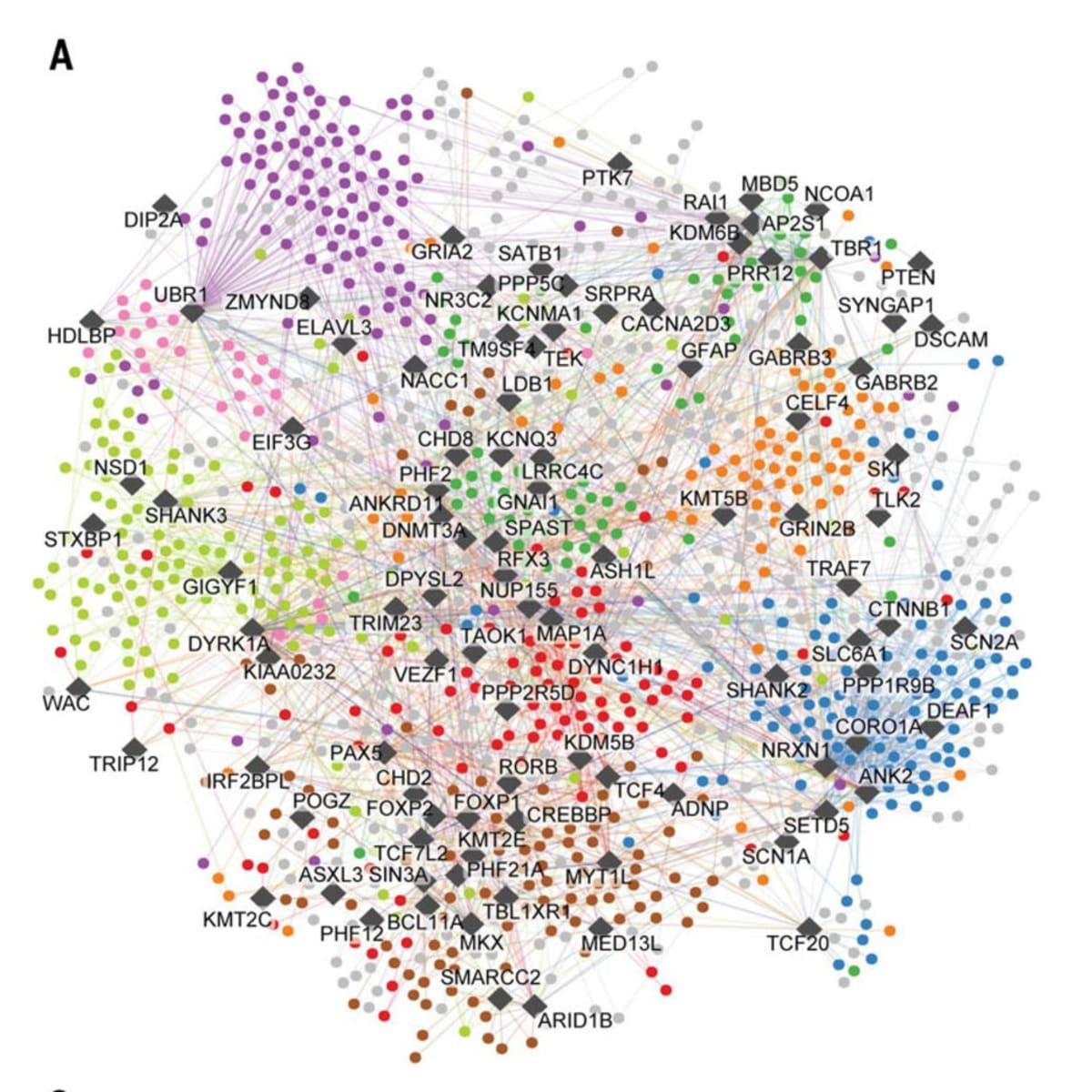
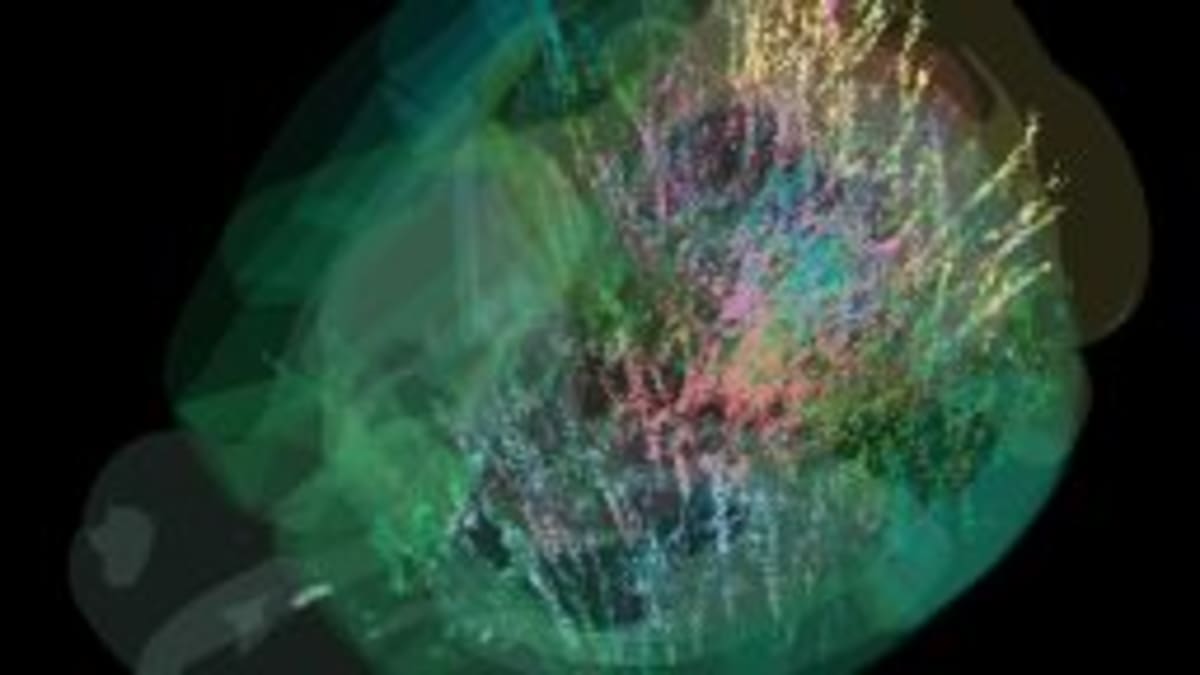
Researchers at the University of California, San Francisco have created the most detailed map ever of how autism develops in the brain. Instead of looking at the 250 genes linked to autism, they mapped out how these genes affect the way proteins connect and communicate in the developing brain.
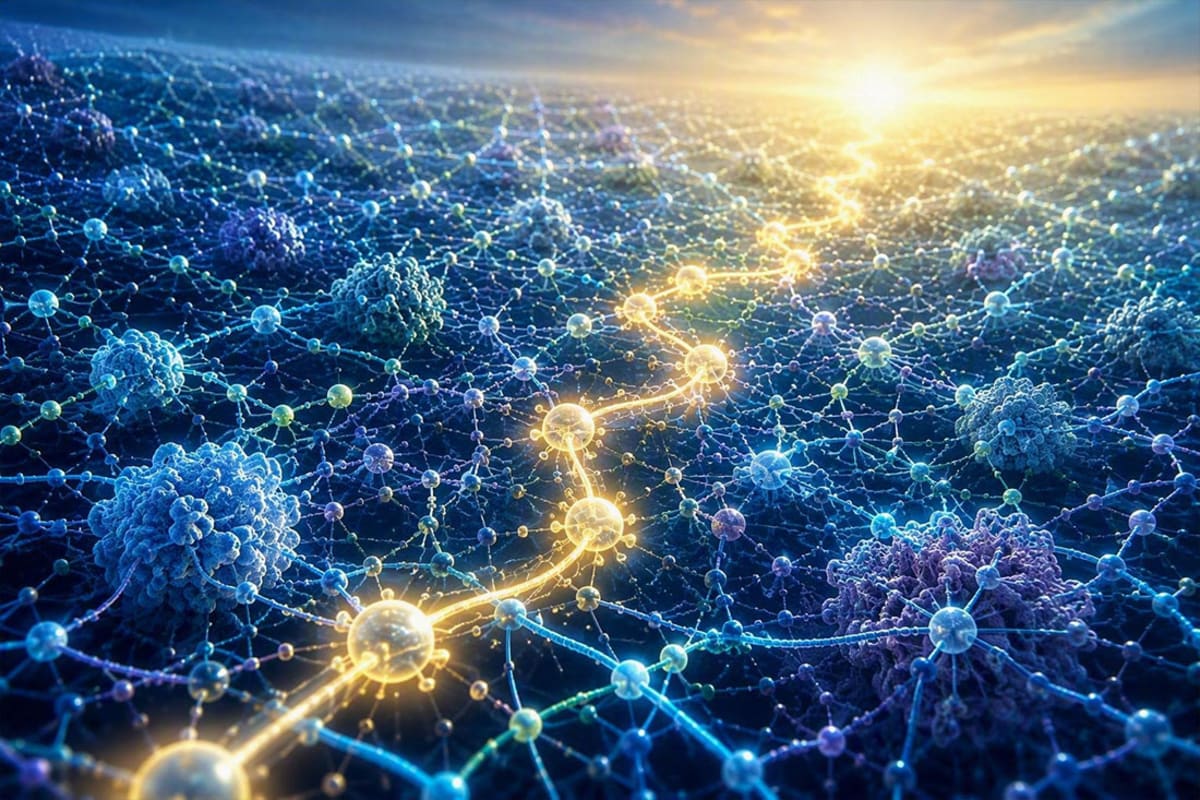
The breakthrough is huge. For decades, finding treatments for autism has been like trying to find one key for hundreds of different locks. But this new map shows that many different genetic mutations actually connect through the same protein pathways in the brain.
Dr. Nevan Krogan, who led the study published in the journal Science, explains it simply. Genes are just a parts list, but proteins show the wiring diagram of how those parts actually work together. Understanding that wiring is what leads to treatments.
The team found more than 1,800 protein interactions tied to autism. Remarkably, 87% of these connections had never been seen before.
They used artificial intelligence called AlphaFold to pinpoint which protein changes mattered most, then tested them in tiny lab-grown brains called organoids. This combination of AI and cutting-edge lab techniques revealed exactly how mutations rewire the brain.
The Ripple Effect
This research doesn't just matter for autism. The same protein interaction approach could help scientists understand and treat schizophrenia, obsessive-compulsive disorder, and even some cancers.
Three treatment programs are already underway using insights from this map. Instead of needing hundreds of drugs to target different genes, scientists can now develop therapies that fix the protein interactions themselves.
The findings are most directly relevant to the 30% of people with profound autism who need around-the-clock care. But autism experts believe the research opens doors for understanding the entire autism spectrum.
Dr. Krogan shares the big vision. He hopes people will one day look back and say this map led to the first real treatments for autism. Based on the unprecedented detail in this research, that future feels closer than ever.
The map represents the largest study of its kind for any brain disorder, shining an unprecedented light on how autism develops and how it might be treated.
More Images

Based on reporting by Google News - New Treatment
This story was written by BrightWire based on verified news reports.
Spread the positivity!
Share this good news with someone who needs it