Scientists Map Brain Aging to Fight Dementia
Researchers created the most detailed map ever of how the aging brain changes at the cellular level, offering new hope for treating diseases like Alzheimer's and Parkinson's. The groundbreaking atlas is now freely available to scientists worldwide.
Scientists just handed the world a powerful new tool in the fight against brain diseases that affect 57 million people globally.
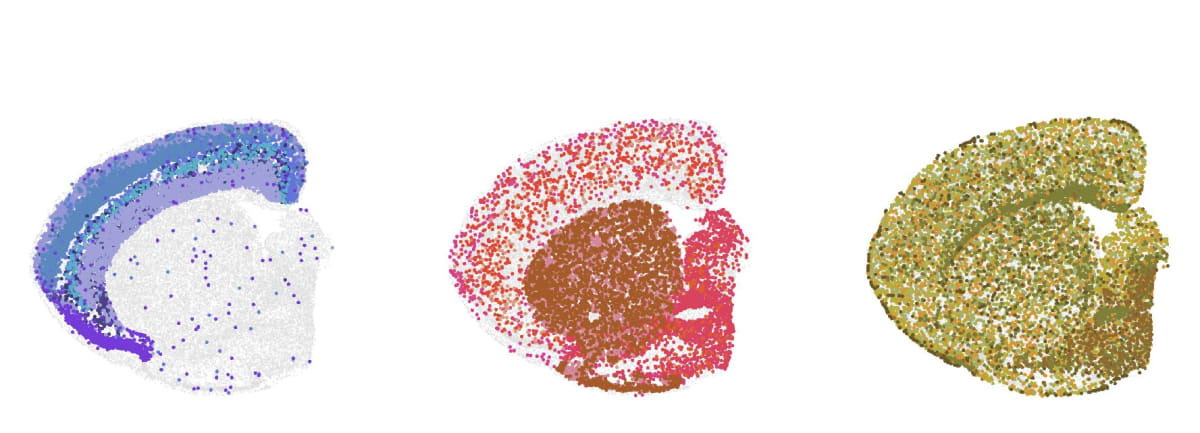
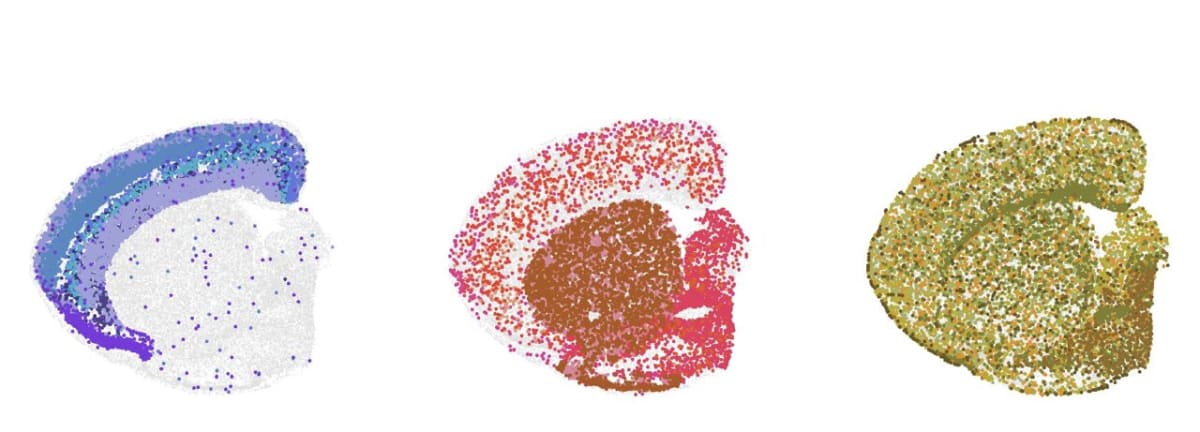
Researchers at the Salk Institute have created the most comprehensive atlas ever made of how individual brain cells age. By mapping over 200,000 cells across eight brain regions and 36 different cell types, they've revealed exactly how chemical tags on our DNA shift as we get older, changing how our genes work and potentially leading to diseases like Alzheimer's and Parkinson's.
Think of it like creating a detailed weather map, but instead of tracking storms, scientists can now see precisely where and how aging damages different parts of the brain. Some regions age faster than others, and some cell types are more vulnerable than others, information that was invisible before.
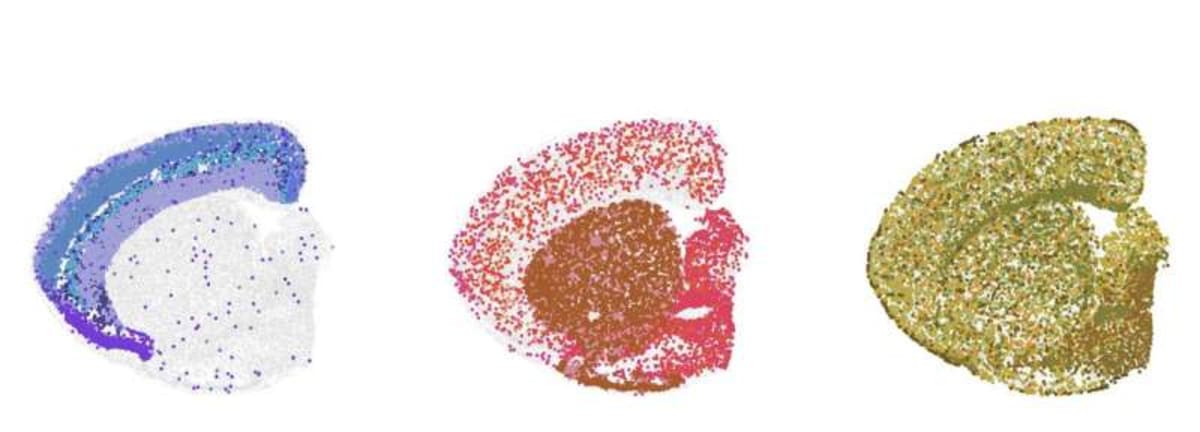
The team used cutting-edge technology called spatial transcriptomics to capture nearly 900,000 brain cells while preserving their exact locations. This spatial detail matters because the brain is incredibly interconnected, with different neighborhoods controlling different functions and aging at different speeds.
"The brain is so interconnected, with different regions controlling different functions and aging at different speeds at the cell type level," explains research professor Margarita Behrens. In Parkinson's disease, for example, the death of just one group of neurons can cause an entire circuit to malfunction, leading to tremors and cognitive problems patients experience.
The researchers also developed deep learning models that can predict how genes will change with age. This means scientists can now identify specific molecular mechanisms that contribute to brain diseases, opening doors to treatments that might reverse harmful age related changes.
The Ripple Effect spreads far beyond one laboratory. The entire atlas was published in December 2024 and is now freely available on Amazon Web Services and Gene Expression Omnibus, where any researcher worldwide can access it. This massive dataset will serve as a critical reference for interpreting human brain data, including studies funded by the National Institutes of Health's BRAIN Initiative.
The timing couldn't be better. Neurodegenerative diseases are expected to double every 20 years as populations age. Having a cellular roadmap of how healthy brains age gives scientists a baseline for understanding what goes wrong in disease.
What makes this work truly innovative is its scale and detail combined with accessibility. Previous studies looked at brain tissue in bulk, losing the specificity of individual cell types. This atlas preserves that crucial information while also showing where each cell sits in the brain's geography.
For the 57 million people living with neurodegenerative diseases and the millions more who will develop them, this atlas represents a foundation for hope built on hard science and shared freely with the world.
More Images


Based on reporting by Medical Xpress
This story was written by BrightWire based on verified news reports.
Spread the positivity!
Share this good news with someone who needs it