Scientists Map Brain Differences in Weight-Loss Drug Effects
Researchers have created the first sex-specific brain map showing where popular weight-loss drugs like semaglutide work differently in females versus males. This breakthrough could explain why women often respond better to these treatments and pave the way for more personalized medicine.
Scientists at Mount Sinai have solved a puzzle that's been hiding in plain sight: why blockbuster weight-loss drugs work differently for women and men.
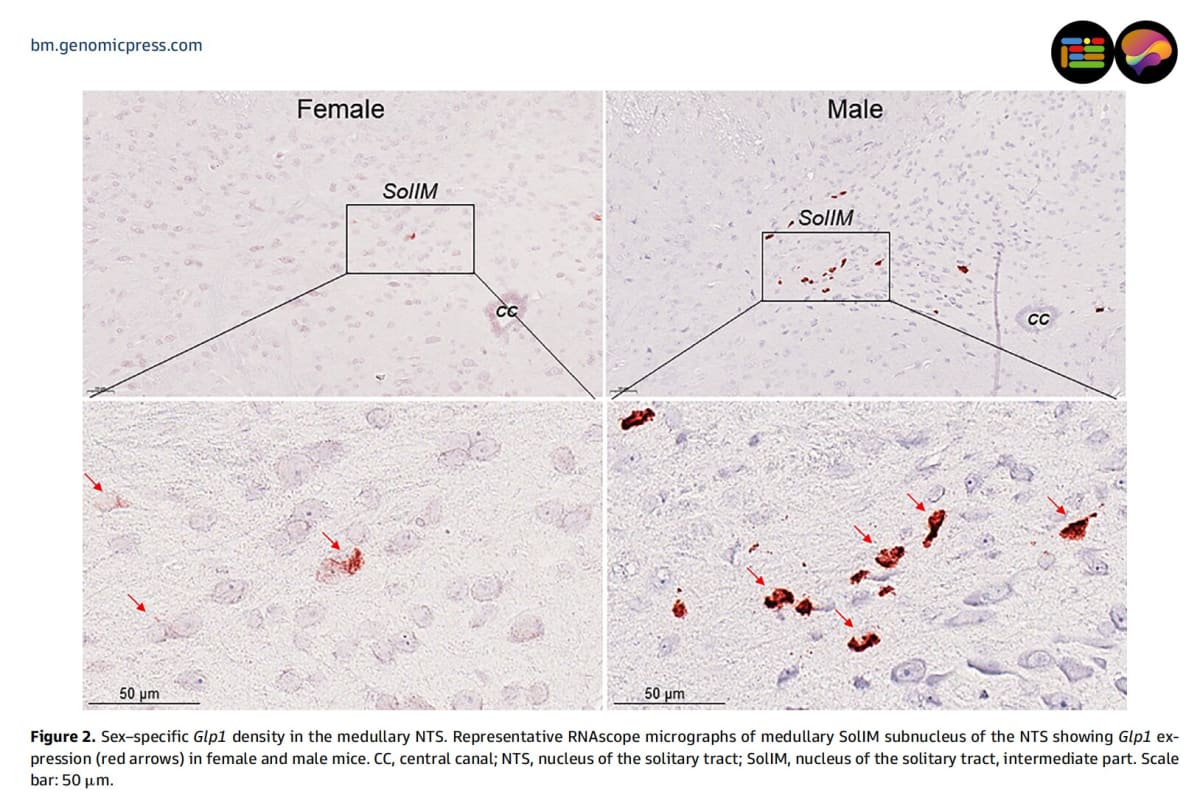
The research team built the first comprehensive brain atlas showing exactly where GLP-1 (the hormone mimicked by drugs like Ozempic and Wegovy) appears in male and female mouse brains. What they found surprised them: the patterns weren't just slightly different. They were dramatically different.
Using a powerful technique called RNAscope that can spot individual molecules, researchers mapped GLP-1 expression across 25 distinct brain regions in both sexes. The technology works like a molecular spotlight, detecting tiny amounts of genetic material that older methods completely missed.
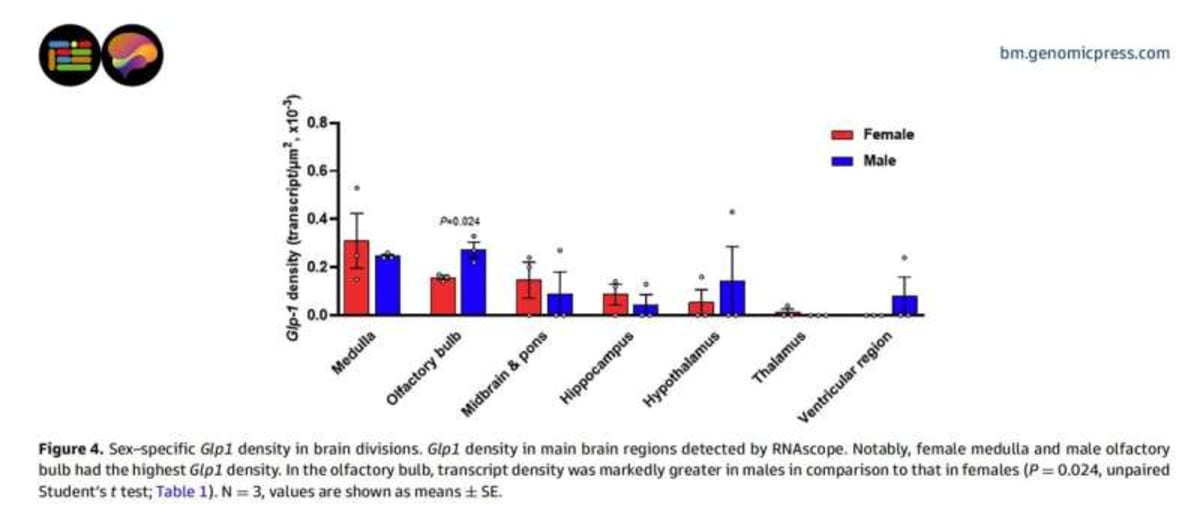
The biggest differences showed up in the hindbrain, particularly in regions controlling appetite and metabolism. Female brains had significantly more GLP-1 in certain parts of the nucleus of the solitary tract, a key hunger control center. Some brain areas showed GLP-1 expression in only one sex.
"GLP-1 analogs are among the most impactful drug classes to emerge in decades, yet we have lacked a detailed, sex-specific map of where GLP-1 is actually expressed in the brain," said senior author Dr. Mone Zaidi. "This atlas provides that foundation."
The findings could explain real-world patterns doctors have observed for years. Women often experience stronger appetite suppression and greater weight loss on these medications compared to men. Clinical trials have hinted at these differences, but scientists didn't know why until now.
The Ripple Effect
This discovery reaches far beyond weight loss. Researchers are exploring GLP-1 drugs for addiction, depression, and other psychiatric conditions, but almost no studies have examined how sex differences might affect these treatments.
The atlas gives pharmaceutical companies and researchers a roadmap for developing more targeted therapies. Instead of one-size-fits-all dosing, future treatments could account for these biological differences from the start.
Understanding these brain patterns could also help explain why obesity and diabetes affect women and men differently. The same condition can show up with different symptoms, complications, and treatment responses depending on biological sex.
The research team examined three female and three male mice using systematic counting methods, with two independent observers confirming the results. They validated their technique by checking positive controls in the intestine and pancreas, ensuring accuracy.
This breakthrough represents something medicine desperately needs: recognition that biological sex matters in how our bodies and brains respond to treatment, opening doors to truly personalized care that works better for everyone.
More Images



Based on reporting by Medical Xpress
This story was written by BrightWire based on verified news reports.
Spread the positivity!
Share this good news with someone who needs it


