Scientists Map Hidden Fungal Networks That Store Carbon
Scientists are mapping vast underground fungal networks that hold more than 13 billion metric tons of carbon dioxide. These invisible ecosystems connect 90% of all plants and could be crucial for fighting climate change.
Beneath every forest, field, and garden lies an invisible network that's quietly doing some of Earth's most important work.
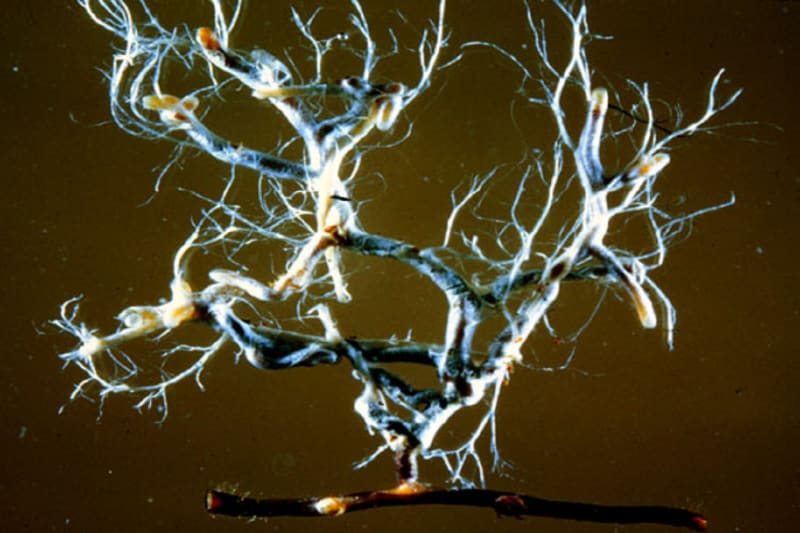
Scientists at the Society for the Protection of Underground Networks (SPUN) are racing to map mycorrhizal fungi, microscopic organisms that connect to the roots of 90% of all plant species. These hidden networks move more than 13 billion metric tons of CO2 from plants into the soil each year, making them one of nature's most powerful carbon storage systems.
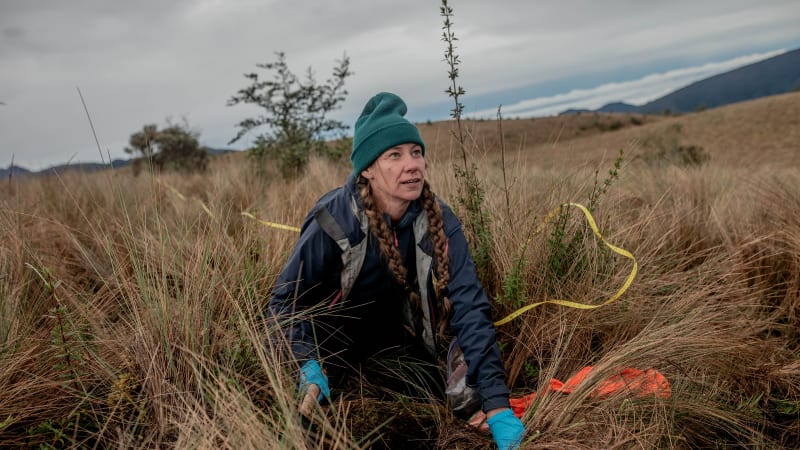
"We think of these networks as one of Earth's circulatory systems, but people are not paying attention," says Toby Kiers, an evolutionary biologist who co-founded SPUN in 2021. The organization launched with a simple mission: map these fungal communities and protect them.
The fungi work through an elegant partnership with plants. They extract water and nutrients like nitrogen and phosphorus from soil for plants, while plants feed them carbon dioxide captured during photosynthesis. It's a calculated exchange that scientists are only beginning to understand.
"It's almost like watching the best poker players in the world play a game of poker," Kiers explains about how fungi negotiate nutrient trades with plants.
Kiers has been studying these networks since she was 19, working in the tropical rainforests of Panama. While other scientists focused on the riot of life aboveground, she wanted to understand what generated all that diversity underground.
For years, the work was challenging. Fungi receive far less research funding than other fields, and convincing people that soil is more than just dirt has been an uphill battle. But new technology is changing everything.
Why This Inspires
SPUN researchers now use remote sensing, machine learning, and even imaging robots to explore where fungal networks thrive and how they move carbon underground. These tools are revealing carbon hotspots that need protection before they release stored CO2 back into the atmosphere.
Soil already stores about 75% of Earth's land-based carbon, and most of that storage happens because of the infrastructure these fungal networks build. They also support 59% of Earth's biodiversity, most of which lives underground.
The work represents a shift in how we understand life on Earth. For too long, conservation has overlooked what Kiers calls the "humble and quiet" ecosystems beneath our feet. Now, emerging technologies are finally allowing scientists to explore the inner lives of these essential organisms.
Kiers hopes the mapping project will move beyond academic papers to real-world impact, protecting these carbon storage systems as atmospheric CO2 continues to rise.
The networks have been silently regulating Earth's climate for millennia, and we're only now learning to see them.
More Images


Based on reporting by Mongabay
This story was written by BrightWire based on verified news reports.
Spread the positivity!
Share this good news with someone who needs it