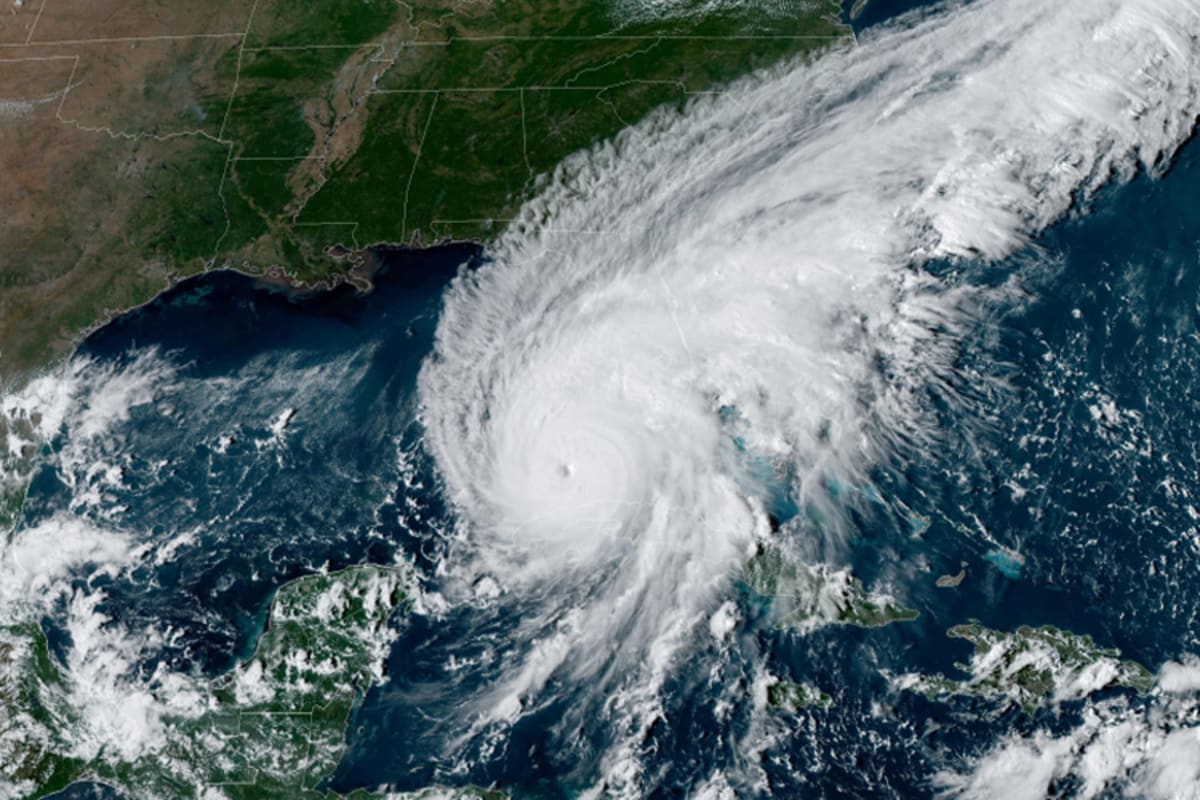
Scientists Map Hidden Mold Risks After Hurricane Flooding
Researchers identified which home conditions cause the most respiratory problems months after hurricanes, giving families a roadmap to protect their health. The findings could help millions living in flood-prone areas intervene before mold makes them sick.
Scientists just figured out exactly which factors turn flooded homes into health hazards long after the storm clouds clear.
Researchers at Florida State University studied homes damaged by Hurricanes Ida and Ian, surveying families and testing mold levels five to seven months after the storms hit. What they discovered could help protect the health of millions who face flooding each year.
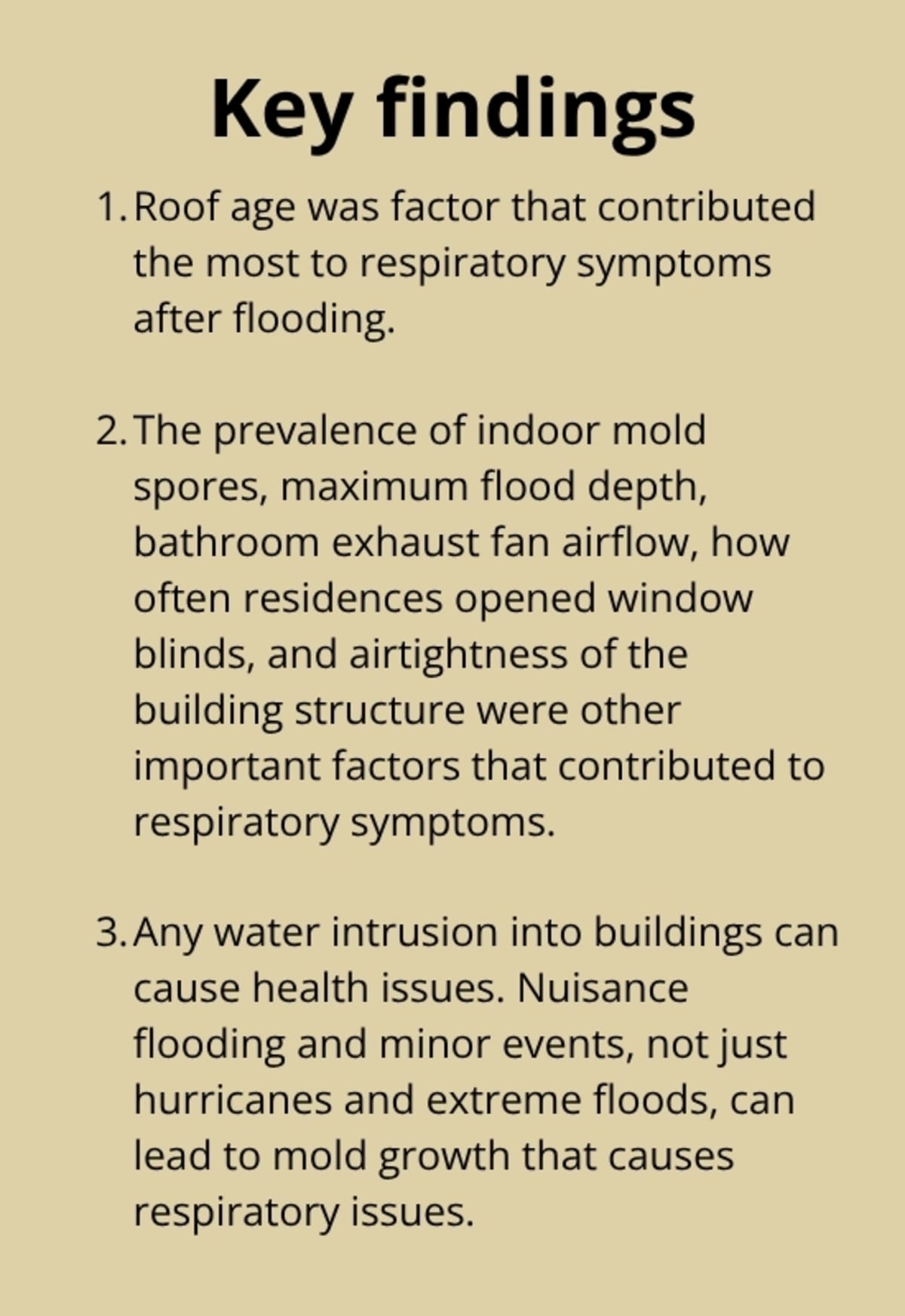
The study, published in the Journal of Cleaner Production, pinpointed the biggest culprits. Old roofs, high indoor mold levels, and deeper flooding led to the most new respiratory symptoms in residents. Bathroom exhaust fans with poor airflow, closed window blinds, and airtight buildings also played surprising roles.
"We pay a lot of attention to direct impacts immediately after storms, but hazardous conditions can linger after floodwaters recede," said Assistant Professor Ebrahim Ahmadisharaf. The team wanted to identify which factors caused the most harm so people would know where to focus their limited resources.
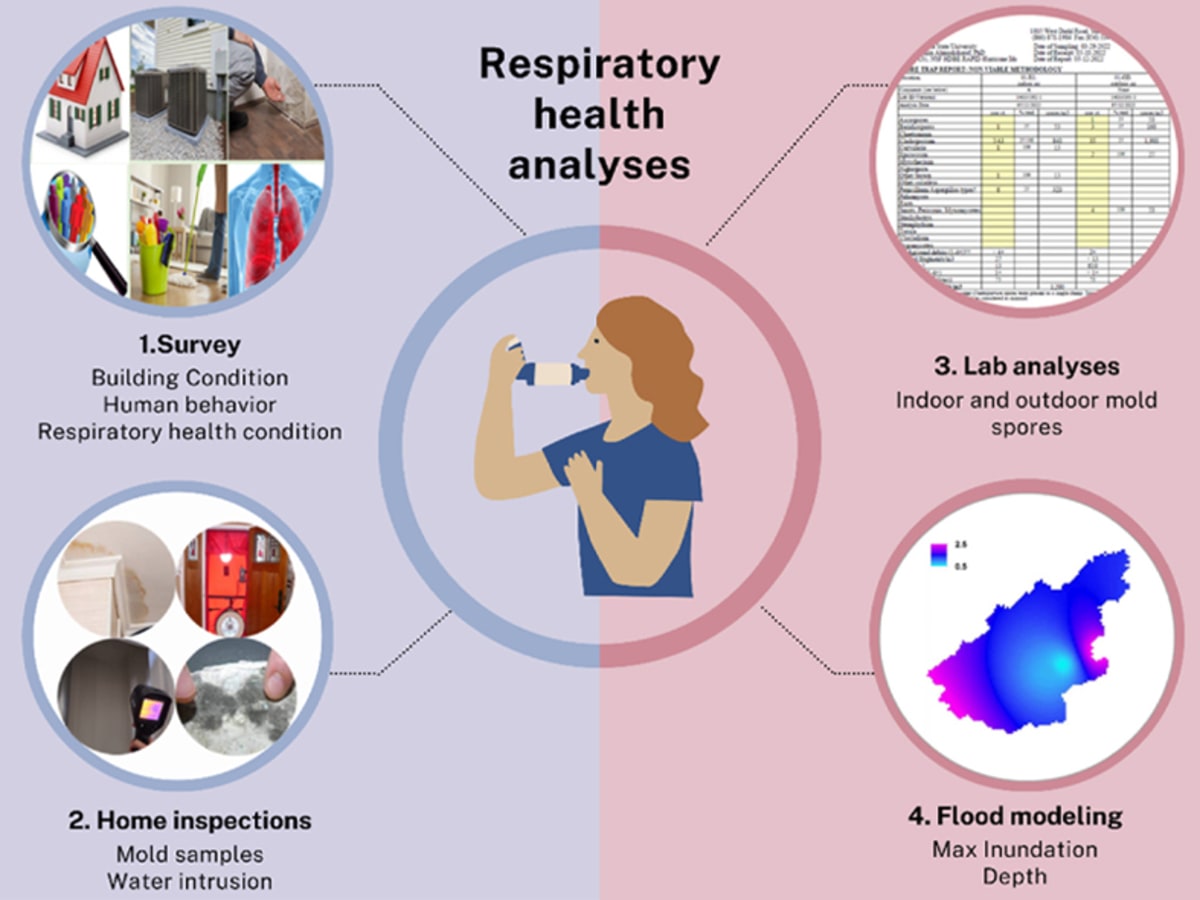
The researchers examined buildings across Louisiana, the Northeast, and Central and Southern Florida. They combined health surveys with home inspections, lab analyses of mold spores, and flood modeling to create the most detailed database yet linking post-hurricane conditions to respiratory health.
The Bright Side
This research gives families, health officials, and emergency managers a clear action plan instead of guessing what might help. Knowing that roof age and ventilation matter most means homeowners can prioritize repairs that actually protect their families' lungs.
The findings matter beyond headline-making hurricanes too. Nuisance flooding that doesn't threaten lives or cause major damage can still create perfect conditions for dangerous mold growth in homes.
Insurance companies and emergency managers now have a framework for understanding where health risks hide and how to stop problems before they start. Professor Yassir AbdelRazig noted that limited resources make this kind of guidance essential for making the biggest impact.
The research team plans to expand their database and study how mold develops over time in controlled settings. Their goal is understanding indoor environments well enough to engineer healthier homes for everyone.
After all, the places where we spend most of our lives shouldn't make us sick.
More Images


Based on reporting by Google News - Researchers Find
This story was written by BrightWire based on verified news reports.
Spread the positivity!
Share this good news with someone who needs it