Scientists Map How Bilingual Brains Switch Languages
Researchers just discovered that bilingual brains use a shared geometric map to effortlessly translate between languages. The breakthrough could transform how we understand human thought and build smarter AI.
Scientists at Rice University and Baylor College of Medicine have cracked one of the brain's most fascinating puzzles: how bilingual people switch between languages without getting their wires crossed.
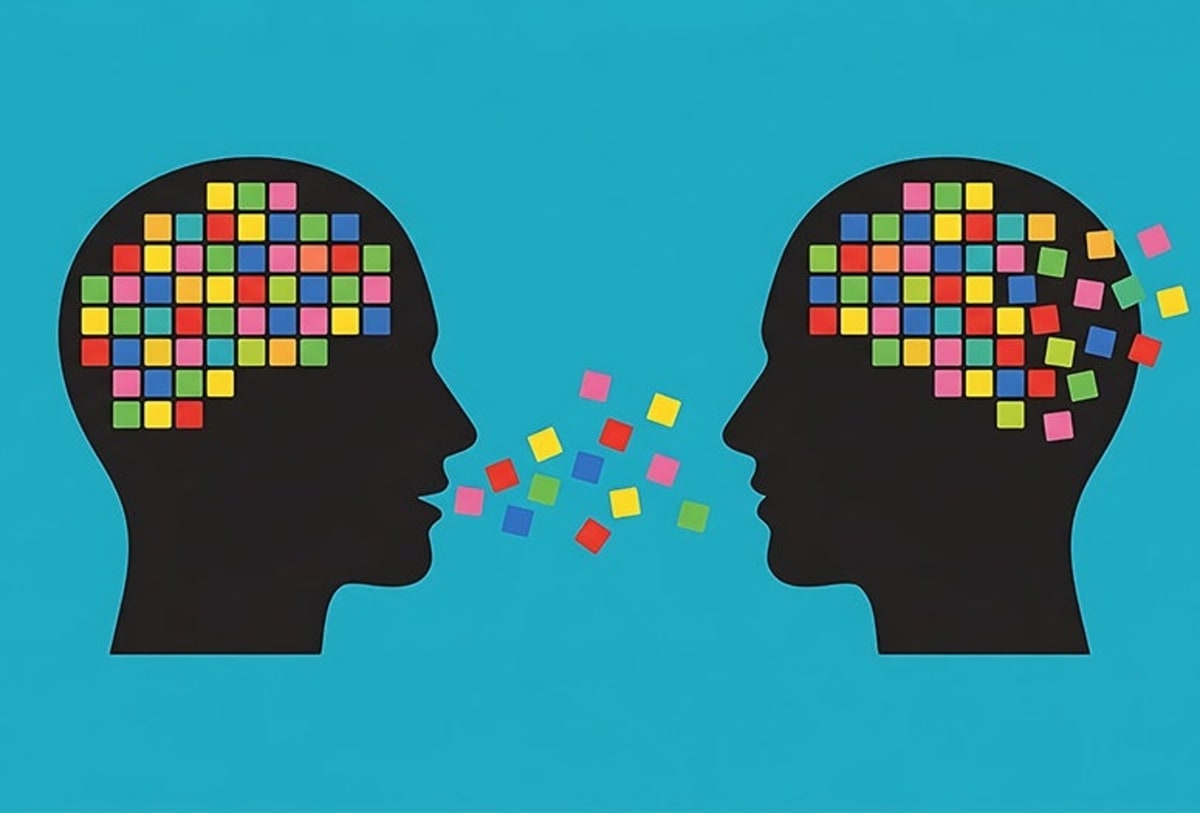
The team studied four fully bilingual English-Spanish speakers and discovered something remarkable. While most individual brain cells respond differently to each language, the brain preserves a shared geometric map of meaning. Think of it like two different roads leading to the same destination.
"Our findings suggest that the brain may store meaning in a language-independent format," said Dr. Sameer Sheth, professor of neurosurgery at Baylor. Different languages appear to access a shared conceptual map rather than creating entirely separate representations of the world.
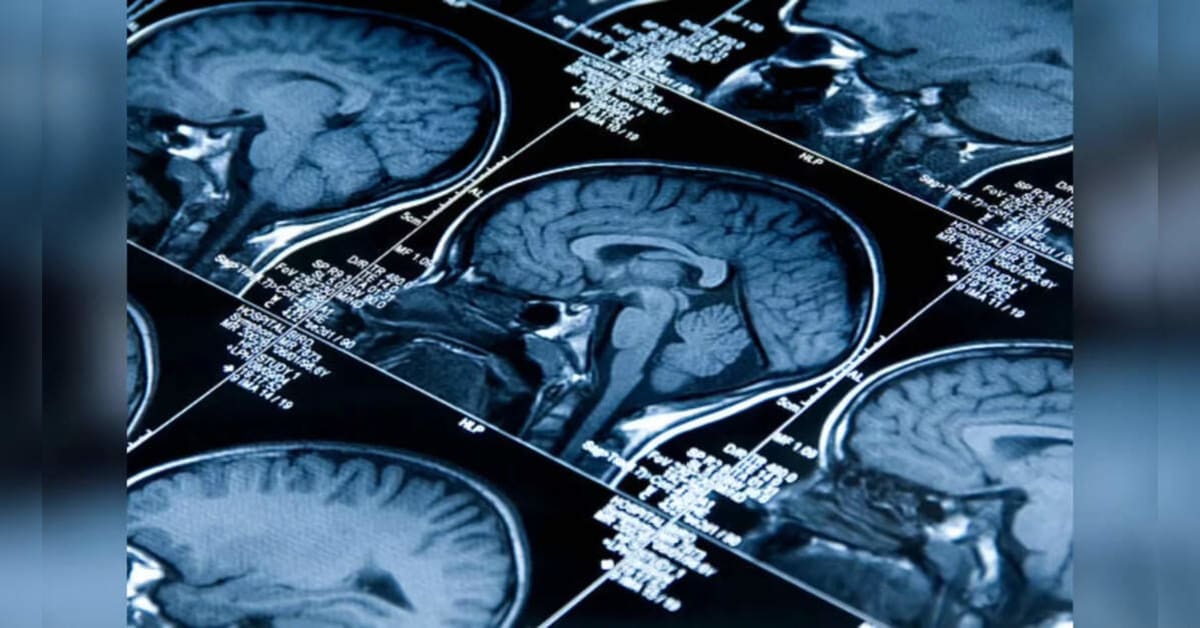
The researchers used cutting-edge technology to measure hundreds of individual neurons in the hippocampus while participants listened to stories, read phrases, and chatted in both English and Spanish. What they found challenges how we thought translation worked.
Instead of using specialized "dictionary neurons" that match words one-to-one, the brain maintains relationships between concepts across languages. The word "tierra" in Spanish and "Earth" in English might activate different neurons, but their relationship to other concepts stays consistent in neural space.
Lead author Xinyuan Yan calls this a "shared semantic geometry." The brain keeps languages distinct enough to avoid interference while using a common internal structure for meaning. That's why bilingual people can switch languages so fluidly without confusion.
The Ripple Effect
The discovery extends far beyond basic neuroscience. Researchers found striking similarities between how human brains and multilingual AI models organize language, suggesting there may be universal principles for organizing knowledge.
"Large language models and the human brain may be converging on similar computational solutions for representing meaning," said professor Benjamin Hayden. The parallel could help scientists develop better brain-computer interfaces and language rehabilitation therapies for stroke patients.
The findings also validate ideas from linguistics dating back to Swiss linguist Ferdinand de Saussure. His structuralist theory proposed that meaning transcends individual cultural expressions and taps into an underlying universal system. This neural map appears to be physical proof.
The research team acknowledges they studied only four participants, all English-Spanish bilinguals undergoing epilepsy treatment. Future studies will test whether the same principles apply to other language pairs and larger populations.
Still, the study offers an unprecedented window into one of humanity's defining abilities: expressing the same thought in multiple languages. The brain's elegant solution reveals that beneath our diverse tongues, we may all be working from the same mental blueprint.
More Images
Based on reporting by Google News - Scientists Discover
This story was written by BrightWire based on verified news reports.
Spread the positivity!
Share this good news with someone who needs it