Scientists Map How to Protect People From Wildfire Smoke
Researchers just completed the first comprehensive study of how people respond to wildfire smoke, revealing crucial gaps that could save lives as fires grow more frequent. The findings are already shaping new programs to help communities breathe easier.
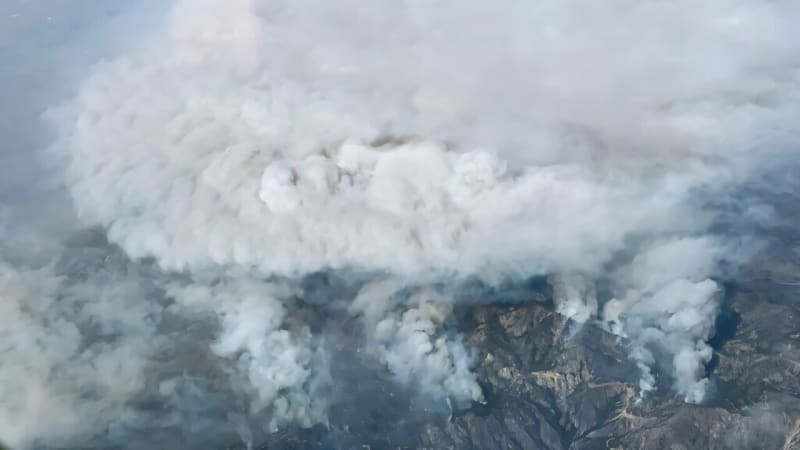
As wildfires send smoke across thousands of miles and climate change promises even smokier skies ahead, scientists just figured out something surprisingly hopeful: we can help people protect themselves better.
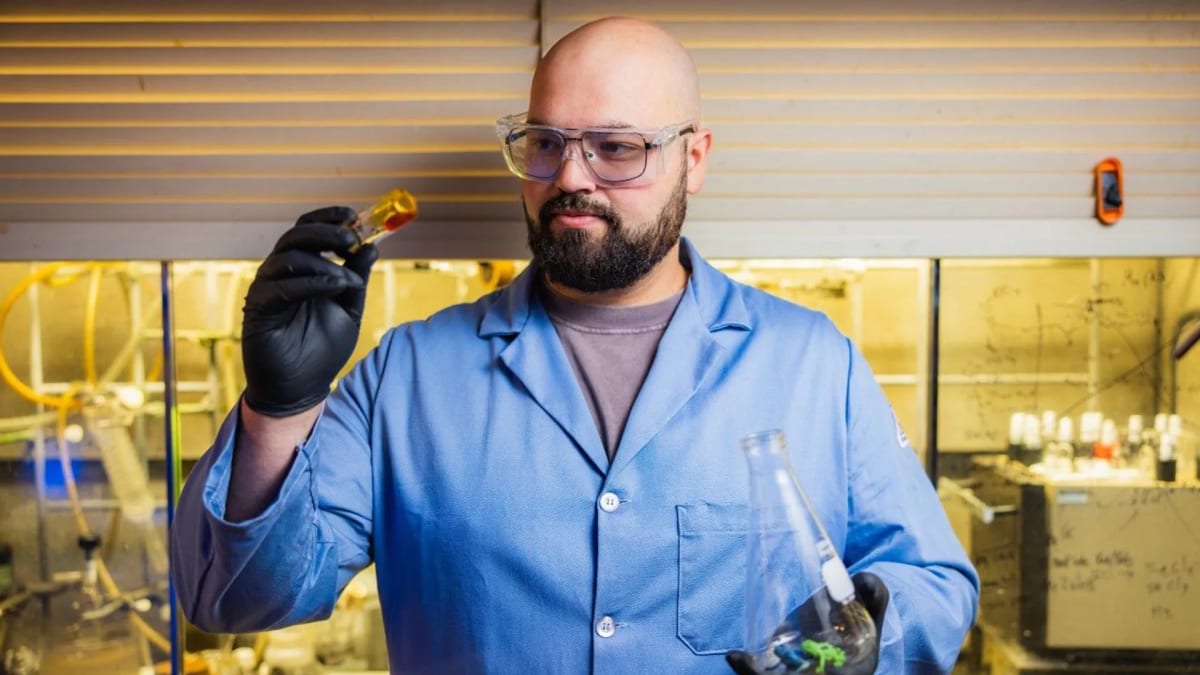
University of Michigan researchers completed the first systematic review of how humans actually behave when smoke rolls in. Led by doctoral student Caroline Beckman, the team analyzed a decade of studies to find the missing pieces in our understanding.
The timing couldn't be better. Wildfire smoke isn't just unpleasant anymore. New research links it to heart disease, lung damage, dementia, and early death even in small amounts.
But here's what makes this study different: instead of just documenting the danger, it's mapping out how to actually help people. Associate Professor Paige Fischer explains that understanding when and why people take action lets policymakers design better interventions.
The team discovered the field is young but growing fast. Most research started appearing only in 2014, and it revealed some surprising blind spots.
Nearly all studies came from North America, even though fires rage globally. That means huge populations facing smoke have almost no research tailored to their communities.
Even more striking: scientists know smoke hits certain groups hardest, including children, older adults, and people with existing health conditions. Yet hardly any research focused specifically on these vulnerable populations.
The biggest gap involves social influence. Studies mentioned how friends, family, and community norms shape our choices, like when it feels acceptable to wear masks for smoke. But almost none made it their main focus.
Why This Inspires
This research does something rare: it transforms a growing threat into an opportunity for real solutions. Instead of leaving people to figure out smoke safety alone, it's building the roadmap for effective community support.
The findings are already steering the team's ongoing Xtreme Smoke Project. They're using these insights to develop programs that meet people where they are, understanding that individual action works best when supported by smart policy.
As Beckman points out, we're entering a smokier world whether we like it or not. Human behavior is one of our best tools to reduce exposure, but only if we understand it first.
Now researchers know exactly where to focus next: vulnerable populations, global communities, and the social networks that shape our choices. Each answer brings us closer to keeping everyone safer as the air grows hazier.
The future may hold more smoke, but it also holds clearer paths to protection.
More Images

Based on reporting by Phys.org
This story was written by BrightWire based on verified news reports.
Spread the positivity!
Share this good news with someone who needs it