Scientists Map Human Liver in 8 Zones, Not 3
Israeli researchers created the first digital atlas of a healthy human liver, discovering it works in eight precise zones instead of three and functions differently from mice. The breakthrough will help scientists develop better treatments for liver diseases like fatty liver disease.
Scientists just mapped the human liver in unprecedented detail, and what they found changes everything we thought we knew about our body's heaviest internal organ.
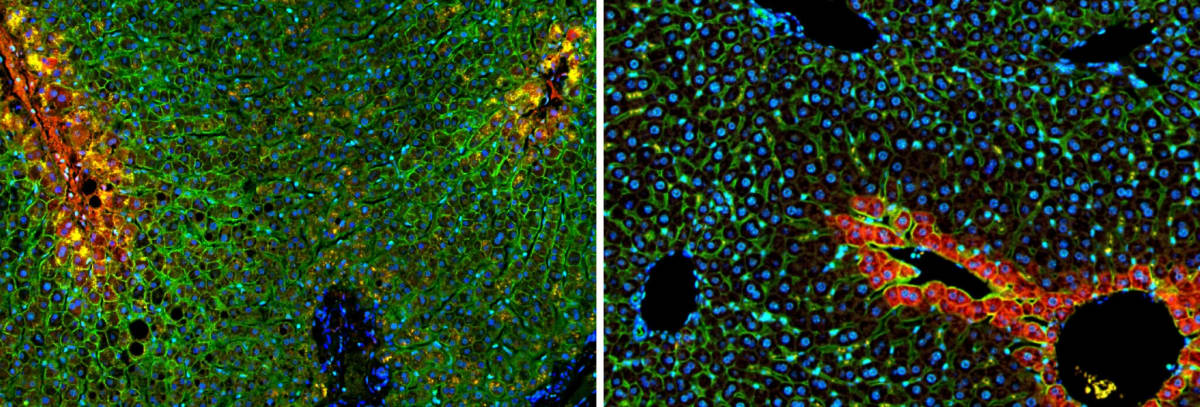
Researchers at Israel's Weizmann Institute of Science, working with Sheba Medical Center and the Mayo Clinic, created the first open digital atlas of a healthy human liver. Their findings, published in Nature, reveal the liver operates in eight distinct zones, not the three zones scientists previously believed.
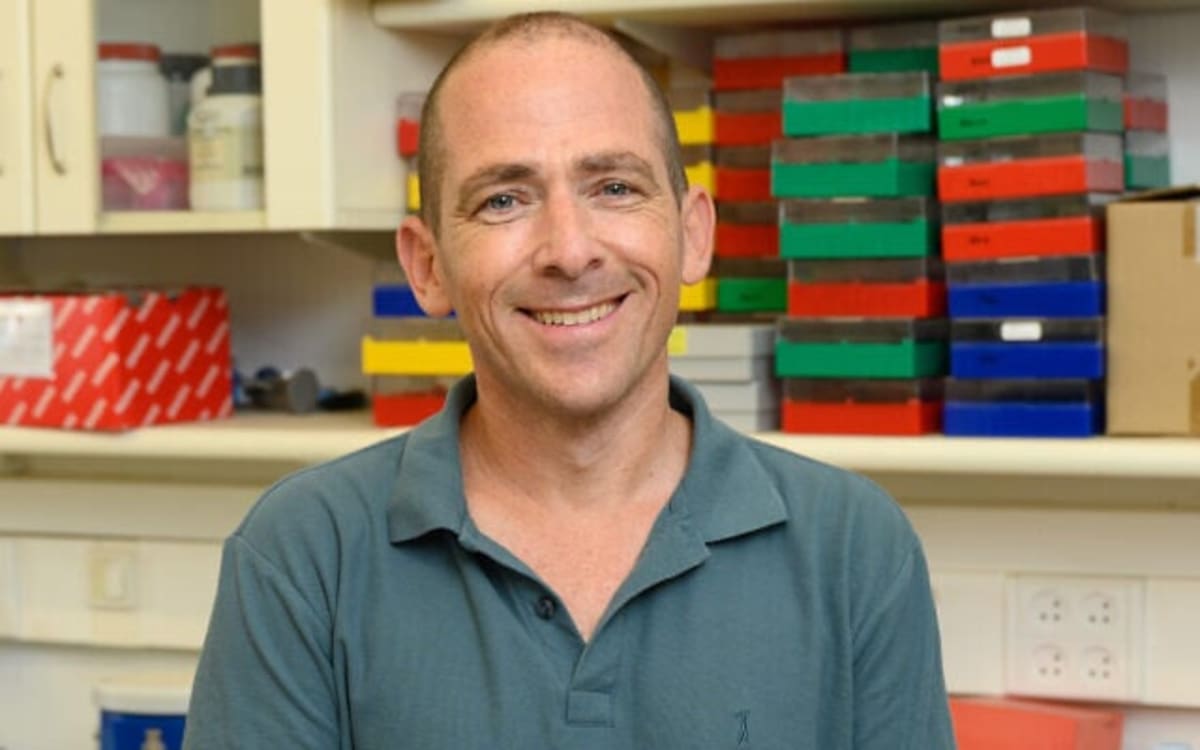
"The map shows the division of labor in the human liver at a resolution of two microns," said Professor Shalev Itzkovitz, the study's lead researcher. To put that in perspective, a human hair is about 50 microns wide.
The team analyzed liver samples from eight healthy donors aged 20 to 40, all living people who donated portions of their livers to family members with end-stage liver disease. This marked the first time scientists could study truly healthy human liver tissue instead of tissue adjacent to cancer or other diseases.
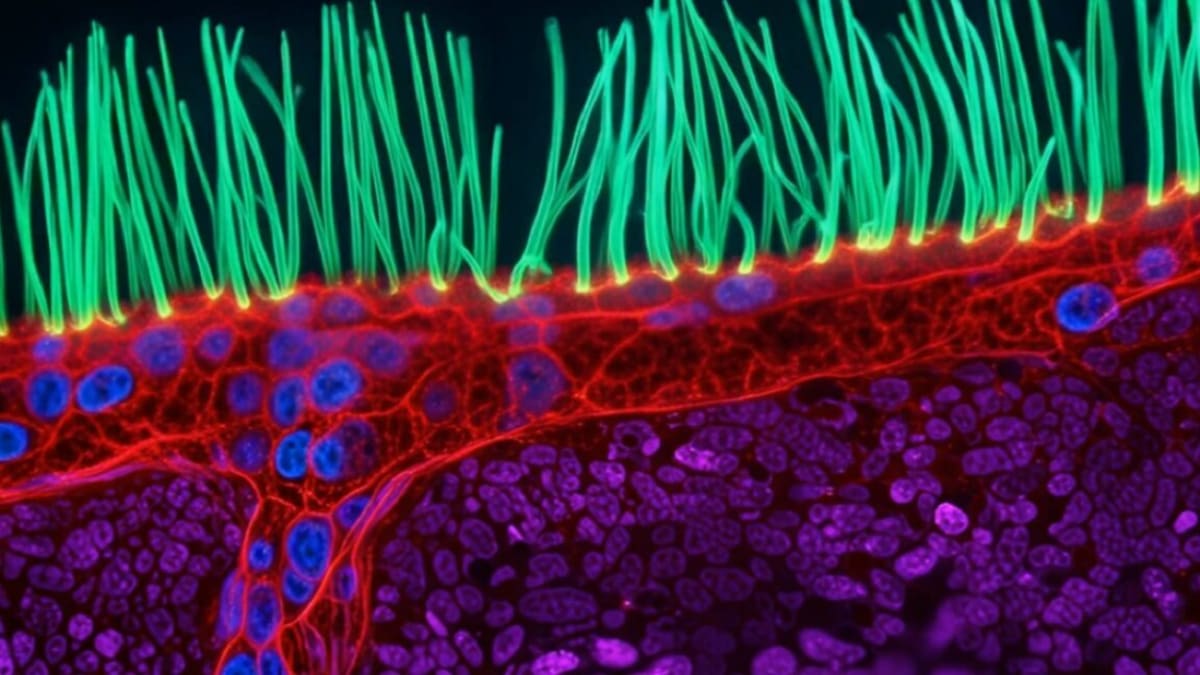
Using cutting-edge single-cell RNA sequencing, the researchers examined the genetic activity of thousands of individual cells at once. They pinpointed exactly where each cell sits within the liver and what job it performs.
The liver works like an ant colony, Itzkovitz explained. Just as some ants specialize in defense while others produce food or care for young, different liver cells carry out different tasks in specific locations. The organ performs about 500 functions, from filtering blood to metabolizing nutrients and producing essential proteins.
The research uncovered a surprising twist: human livers work opposite to mouse livers. In mice, outer cells handle most metabolic activity, while in humans, the inner cells are the metabolic powerhouses. This discovery matters because most liver disease research relies on mouse models.
The Ripple Effect
The atlas opens new doors for treating fatty liver disease, which affects millions of people worldwide. In healthy livers, cells build and burn fats in a balanced cycle. But in fatty liver disease, excess sugar and insulin force cells in the liver's central zone to create fat faster than the body needs.
Until now, researchers couldn't pinpoint exactly where these cells were creating the fat. Drugs were designed based on mouse models, which function differently. Scientists can now develop smarter medications that target specific cells in the inner zone without damaging the rest of the organ.
The research faced unexpected challenges. The lab was hit during an Iranian missile attack on the Weizmann Institute in June 2025, but the team salvaged their samples and completed the work. "We're passionate about science, and we really believe we're trying to do something good for mankind," Itzkovitz said.
The atlas is now publicly available, giving researchers worldwide a clear baseline for understanding how healthy livers work and how diseases begin.
This map of the human liver proves that sometimes looking closer reveals a whole new world we never knew existed.
More Images



Based on reporting by Google News - Researchers Find
This story was written by BrightWire based on verified news reports.
Spread the positivity!
Share this good news with someone who needs it