Scientists Map Key to Controlling Inflammation and Cancer
Texas A&M researchers have created a breakthrough map showing how cells control immunity and inflammation. This discovery could lead to new treatments for cancer and inflammatory diseases.
Scientists just figured out how to read one of the body's most important instruction manuals, and it could change how we treat everything from cancer to everyday inflammation.
Dr. Gregory Reeves and his team at Texas A&M University have created the first detailed map of how a crucial protein called NF-κB controls our cells' decision making. This protein acts like a master switch for inflammation, immunity, and wound healing.
The breakthrough came when researchers stopped taking quick snapshots of cells and started watching them over time. They discovered that NF-κB doesn't work the way scientists previously thought.
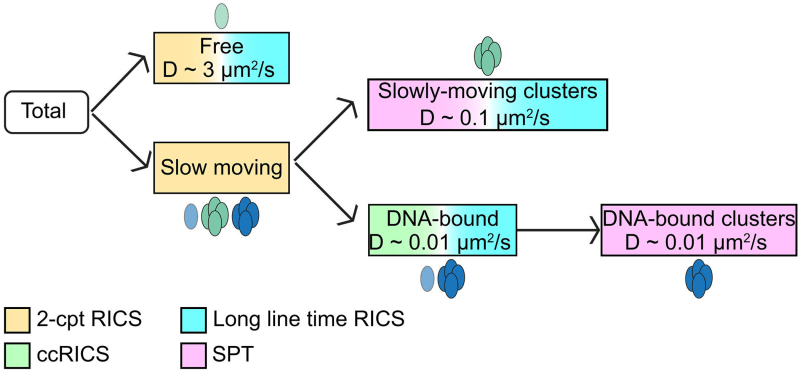
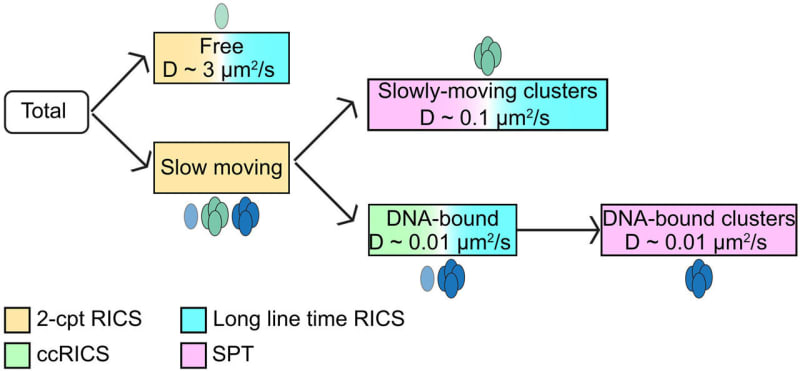
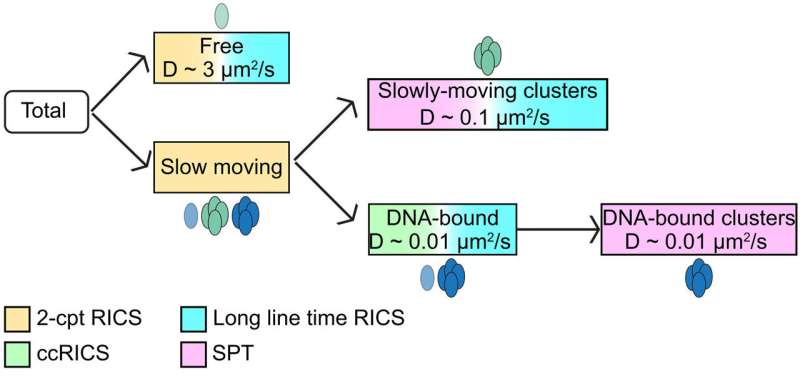
Inside each cell's nucleus, this protein exists in different states. It can move freely, clump together, or bind to DNA to activate genes. The team used special imaging techniques to track these different states and built mathematical models showing exactly how much protein binds to DNA versus how much stays free.
What they found surprised them. The amount of freely moving NF-κB stays constant throughout different parts of developing embryos. The amount bound to DNA, however, changes dramatically. This means the relationship between the two isn't straightforward, revealing a hidden complexity in how our cells make decisions.
Why This Inspires
This map gives doctors something they've never had before: a precise guide for therapeutic intervention. When NF-κB malfunctions, it can lead to cancer and chronic inflammation. Now scientists know exactly how much they need to activate or suppress this pathway to restore normal function.
The team published their findings in Science Advances, and they're making their map freely available to researchers worldwide. Other scientists can now use this blueprint to develop targeted treatments without starting from scratch.
The research represents years of painstaking work measuring molecular movements invisible to the naked eye. By distinguishing between proteins moving quickly, slowly, or not at all, the team built a complete picture of cellular decision making at its most fundamental level.
Future treatments could precisely control inflammation during wound healing, boost immunity when fighting infections, or shut down the pathways that allow cancer cells to thrive. The map transforms NF-κB from a mysterious cellular switch into a predictable system doctors can learn to control.
This discovery reminds us that understanding life at its smallest scales opens doors to healing at every level.
More Images
Based on reporting by Phys.org
This story was written by BrightWire based on verified news reports.
Spread the positivity!
Share this good news with someone who needs it