Scientists Map Salt Marshes Storing 67M Tons of Carbon
A groundbreaking model reveals that coastal salt marshes capture 67 million tons of carbon yearly, filling a major gap in our understanding of nature's climate solutions. The breakthrough helps scientists finally measure these hidden carbon heroes.
Salt marshes along the world's coastlines have been quietly fighting climate change, and scientists just figured out exactly how much help they're giving us.
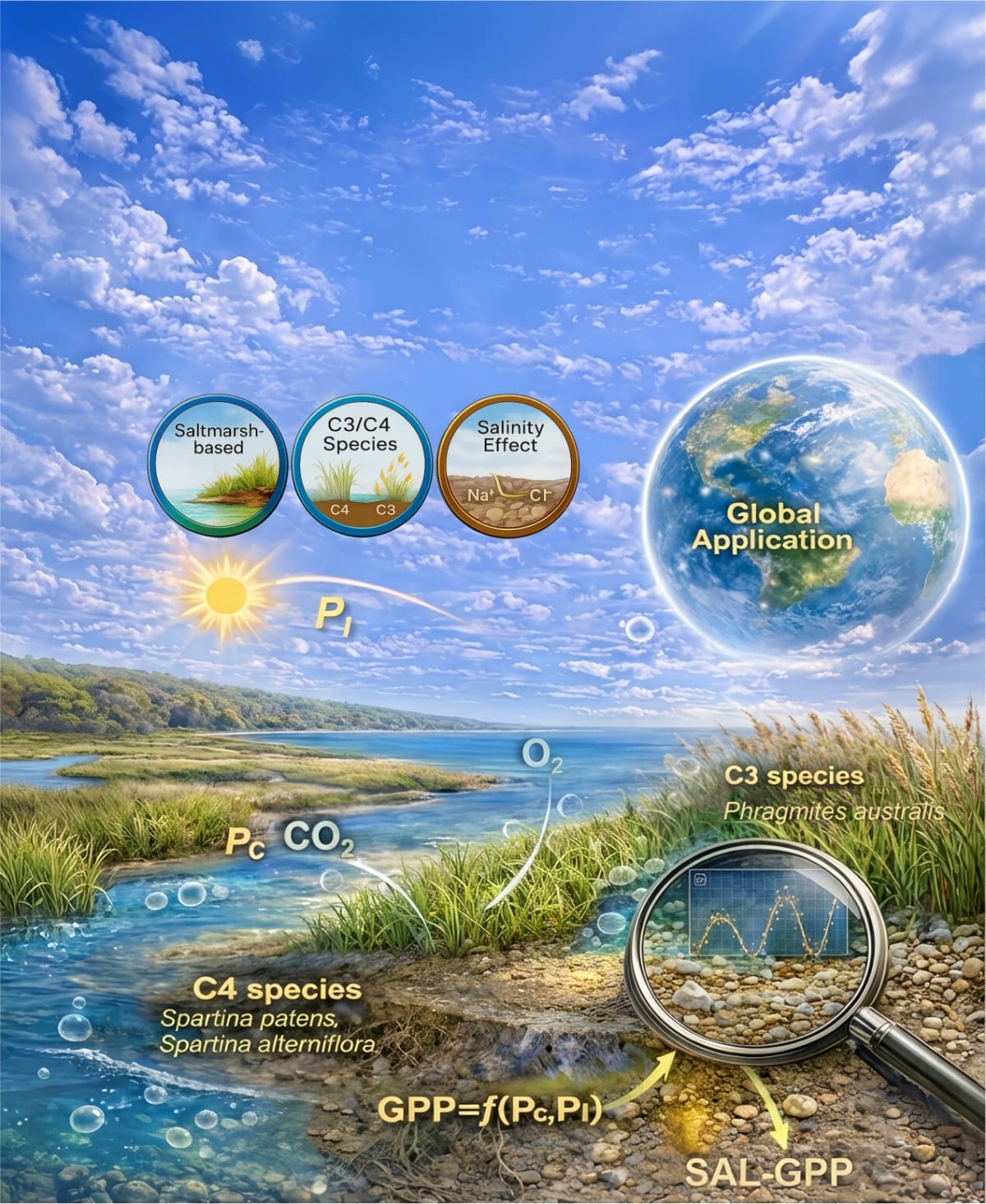
A research team from the Chinese Academy of Sciences created the first model specifically designed to measure carbon storage in salt marshes worldwide. Their tool, called SAL-GPP, does something previous models couldn't: it accounts for the unique coastal conditions like tides and salt levels that make these ecosystems special.
The results are striking. Global salt marshes capture about 67 million tons of carbon each year, despite covering a tiny fraction of Earth's surface. These coastal wetlands rank among the planet's most efficient carbon storage systems, packing away greenhouse gases in their waterlogged soils.
Lead researcher Prof. Li Tingting explains that previous global carbon assessments missed coastal wetlands entirely because existing models were built for forests and grasslands. "Salt marshes are among the most efficient blue carbon ecosystems on Earth," she said. The new model finally gives these overlooked landscapes their proper credit.
The team tested their model against real-world measurements from monitoring sites around the globe. It performed beautifully, matching actual productivity readings with 82% accuracy. Then they used it to create the world's first detailed map of salt marsh carbon storage from 2011 to 2020.
The map reveals hotspots doing the heavy lifting. The southeastern United States, Western Europe, China's southeastern coast, and Australia together capture nearly two thirds of all salt marsh carbon worldwide. The 500-meter resolution means scientists can now zoom in on specific marshes to measure their climate impact.
The Ripple Effect
This breakthrough arrives at a crucial moment. As countries work to meet climate goals, they need accurate accounting of every carbon sink available. Salt marshes were an invisible asset until now.
The new dataset outperforms existing satellite products and 17 other climate models currently in use. That means better information for policymakers deciding where to protect or restore coastal wetlands. Every marsh saved is measurable climate action.
The model also distinguishes between different types of salt marsh plants and how they handle varying salt levels. This precision helps predict how these ecosystems will respond as sea levels rise and coastal conditions shift.
Graduate student Zhou Zhuoya, who led the study published in Environmental Science & Technology, worked with teams from multiple Chinese universities to validate the findings. Their collaboration produced a tool that works everywhere from tropical coasts to temperate shorelines.
Coastal communities now have scientific backing to protect their marshes as climate infrastructure. These aren't just pretty wetlands; they're carbon-capturing powerhouses that deserve protection alongside any forest or grassland.
Nature keeps revealing how much it helps us when we look closely enough.
More Images
Based on reporting by Phys.org
This story was written by BrightWire based on verified news reports.
Spread the positivity!
Share this good news with someone who needs it