Scientists Map the Biology of Aging to Extend Healthy Years
Over 50 leading researchers worldwide just published a groundbreaking vision for aging science that focuses on keeping people healthier longer, not just living more years. The shift from studying "how long" to "how well" people age could transform how we approach health throughout our lives.
Aging research has transformed from a niche scientific topic into one of the most promising fields in medicine, and a new report shows how far we've come in understanding what actually happens when we age.
More than 50 top researchers from around the world contributed to a landmark article in Nature Aging that maps five decades of progress in aging science. The report reveals something surprising: biological age and calendar age are often very different, and understanding that gap could help millions of people stay healthier as they grow older.
Scientists now recognize aging as the central risk factor behind most major diseases, from heart disease to cancer to Alzheimer's. But here's the good news: researchers have identified key mechanisms that drive aging, including how our DNA changes over time, how inflammation builds up in our bodies, and how our cells lose their ability to bounce back from stress.
Dr. Handan Melike Dönertaş from the Leibniz Institute on Aging in Germany is one of the researchers leading this charge. Her team uses artificial intelligence and advanced data analysis to understand how people age at different rates and in different ways. These new tools can actually measure aging processes at the cellular level for the first time.
The research has moved far beyond simply describing what happens as we age. Scientists are now building detailed models that show how different systems in our bodies interact and change over time. This shift from observation to understanding mechanisms opens the door to real interventions.
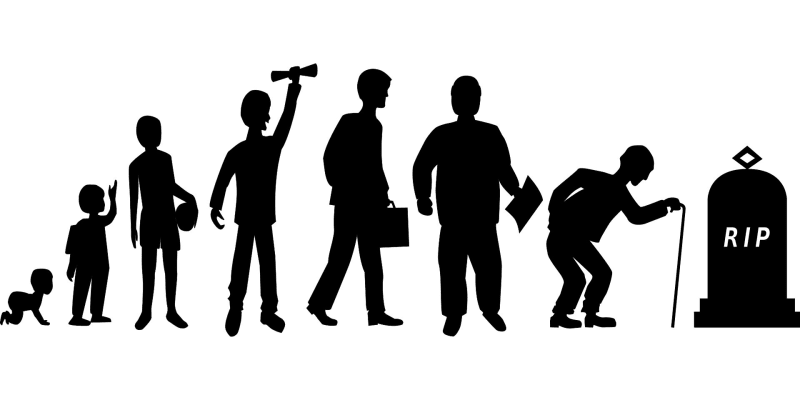
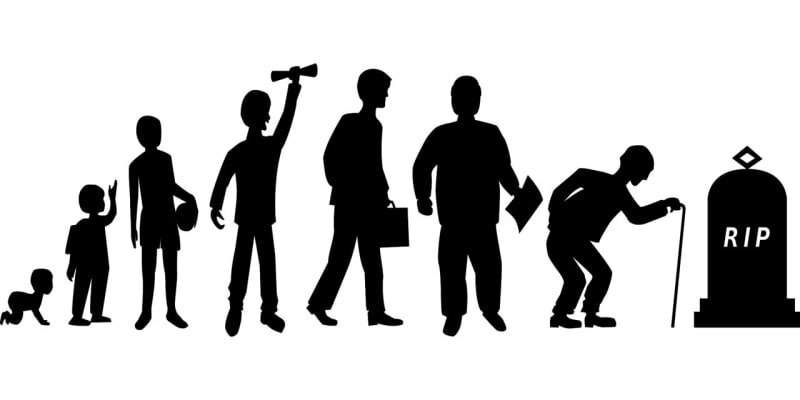
The goal isn't to help people live to 150 years old. Instead, researchers want to extend the healthy, active years of life by catching age-related problems earlier and treating them more effectively. Think of it as compressing the period of decline and disability into a shorter window at the end of life.
Why This Inspires
This research represents a fundamental shift in how we think about getting older. For generations, aging was considered inevitable and unstoppable. Now scientists see it as a process we can measure, understand, and potentially influence.
The work brings together experts from different countries and disciplines, all focused on making their discoveries available to as many people as possible. The researchers emphasize that their goal is not just scientific achievement but practical help for real people.
New biomarkers being developed could soon allow doctors to estimate someone's biological age and risk for age-related diseases years before symptoms appear. Earlier detection means earlier treatment and better outcomes.
The interdisciplinary approach also considers social and ethical dimensions, ensuring that future breakthroughs benefit diverse populations rather than just a privileged few. This inclusive vision makes the research more than just laboratory science; it's a blueprint for improving quality of life for aging populations worldwide.
This collaborative effort shows what's possible when brilliant minds work together toward a common goal: not just adding years to life, but adding life to years.
More Images


Based on reporting by Medical Xpress
This story was written by BrightWire based on verified news reports.
Spread the positivity!
Share this good news with someone who needs it