Scientists May Have Found How Supermassive Black Holes Form
The James Webb Space Telescope's mysterious "little red dots" just got more exciting. New X-ray data suggests they're revealing how the universe's biggest black holes are born.
Astronomers may have just solved one of space's biggest mysteries, and it's hiding inside tiny red specks spotted by the most powerful telescope ever built.
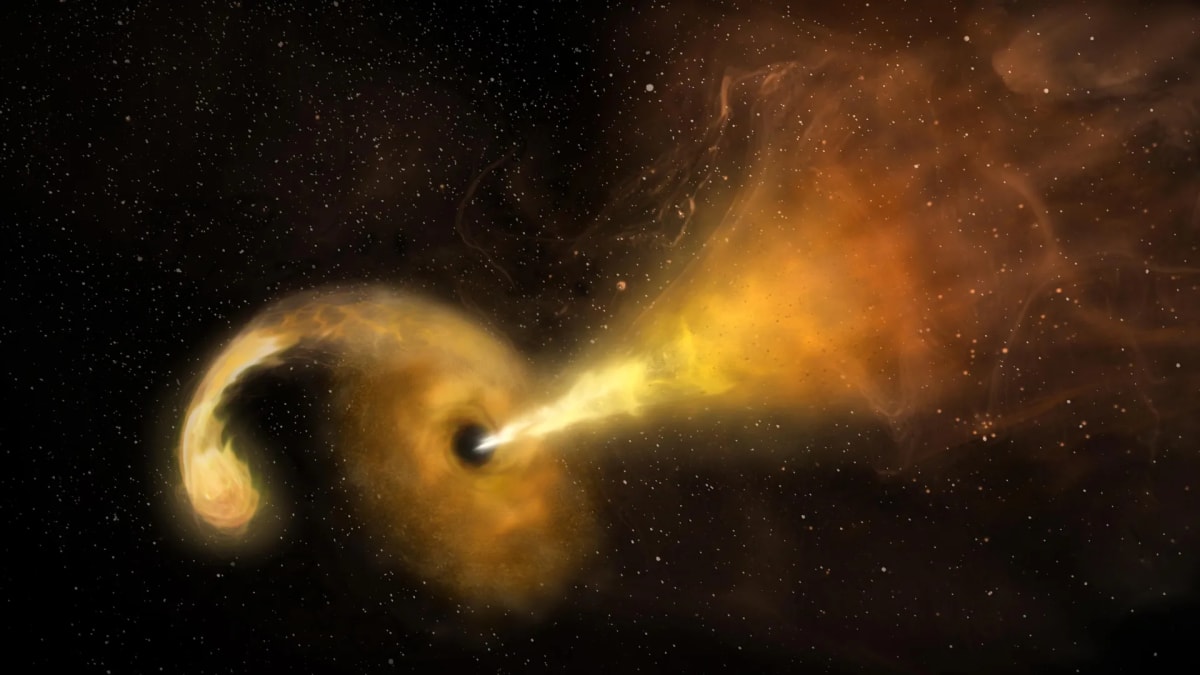
Scientists discovered X-ray light shining from one of the strange "little red dots" first found by the James Webb Space Telescope. This breakthrough could explain how supermassive black holes, the monsters at the center of galaxies, actually form.
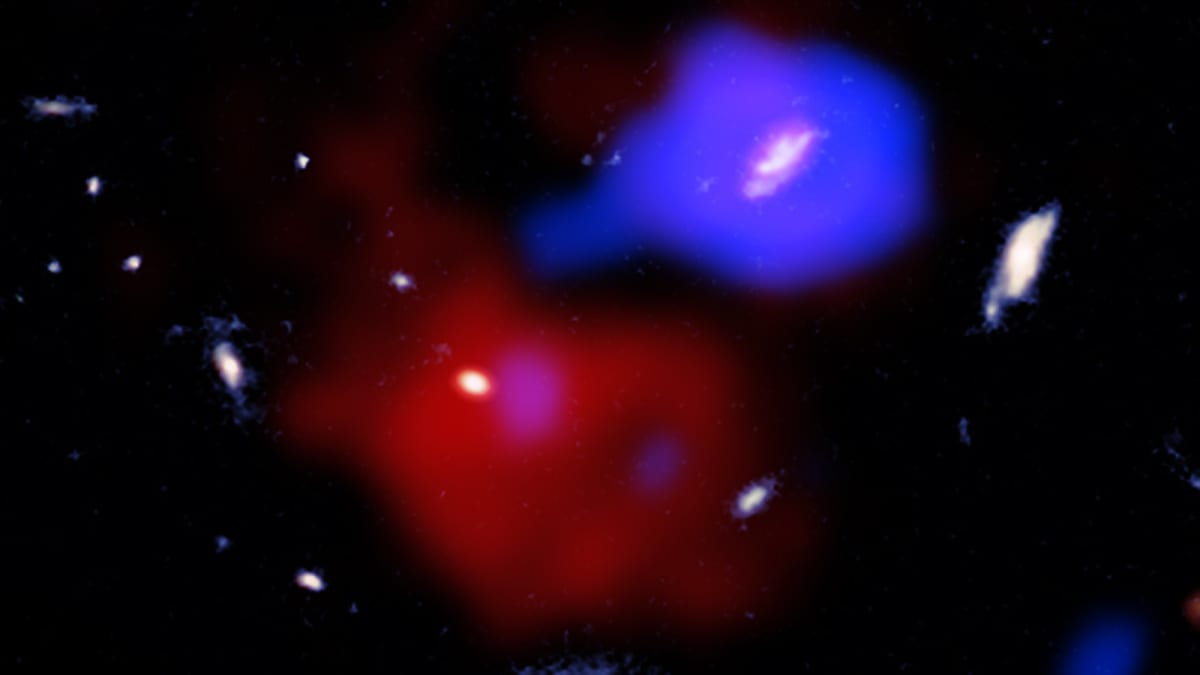
The discovery happened when Princeton astronomer Andy Goulding and his team compared Webb's images with decade-old data from NASA's Chandra X-ray Observatory. One X-ray source matched perfectly with a little red dot, and suddenly everything clicked.
These little red dots are incredibly old, existing when the universe was just 1.8 billion years old. They're also surprisingly cool for space objects, ranging from 1,700 to 3,700 degrees Celsius. Scientists recently even detected water vapor inside them.
The coolest part? These dots might be massive gas clouds with baby supermassive black holes growing inside them, eating the cloud from the inside out. The black hole's energy makes the whole cloud glow, creating what researchers playfully call a "black hole star."
For years, astronomers couldn't figure out how supermassive black holes got so incredibly huge. Do smaller black holes smash together over time? Or do they start big? These little red dots suggest the answer is the latter.
Why This Inspires
The X-ray detection changed everything. Normally, the thick gas cloud would block X-rays from escaping. But this object is shining through, suggesting the black hole has eaten enough of the cloud to create "windows" that let light escape.
"This single X-ray object may be what lets us connect all the dots," said lead researcher Raphael Hviding from Germany's Max Planck Institute for Astronomy. His team thinks they're watching a supermassive black hole in the act of being born.
The discovery could rank among the most important space findings since dark energy was discovered in 1998. These little red dots might be the missing link scientists have searched for, showing how both supermassive black holes and the galaxies around them come to life.
What started as mysterious specks in telescope images is now revealing secrets about how our universe builds its most massive structures. The answers were hiding in plain sight for over ten years, just waiting for the right telescope to ask the right questions.
More Images



Based on reporting by Space.com
This story was written by BrightWire based on verified news reports.
Spread the positivity!
Share this good news with someone who needs it