Scientists May Have Solved the Alzheimer's Mystery
Researchers discovered how two key brain proteins might work together to trigger Alzheimer's disease, potentially explaining decades of conflicting research. This breakthrough could redirect treatment efforts toward protecting brain cells rather than just clearing protein buildup.
Scientists at the University of California, Riverside may have cracked a puzzle that's stumped researchers for decades: how Alzheimer's disease actually begins in the brain.
For years, scientists have debated whether amyloid-beta plaques or tau tangles cause Alzheimer's first. The new research suggests both proteins are actually competing for the same spots inside brain cells, and that competition might trigger the disease.
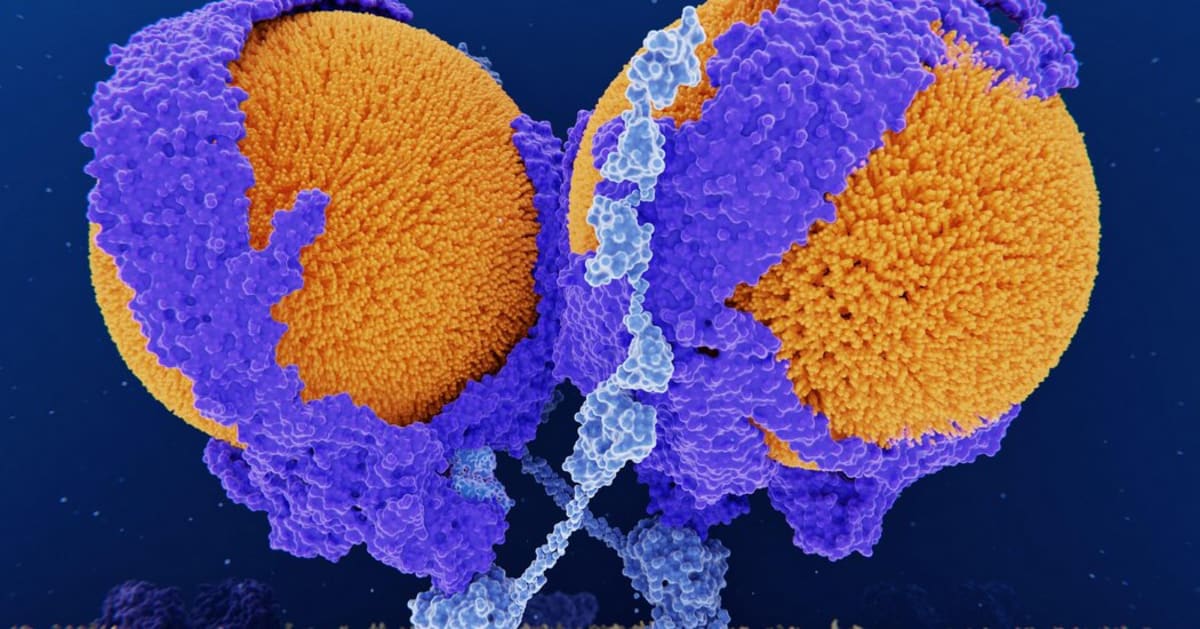
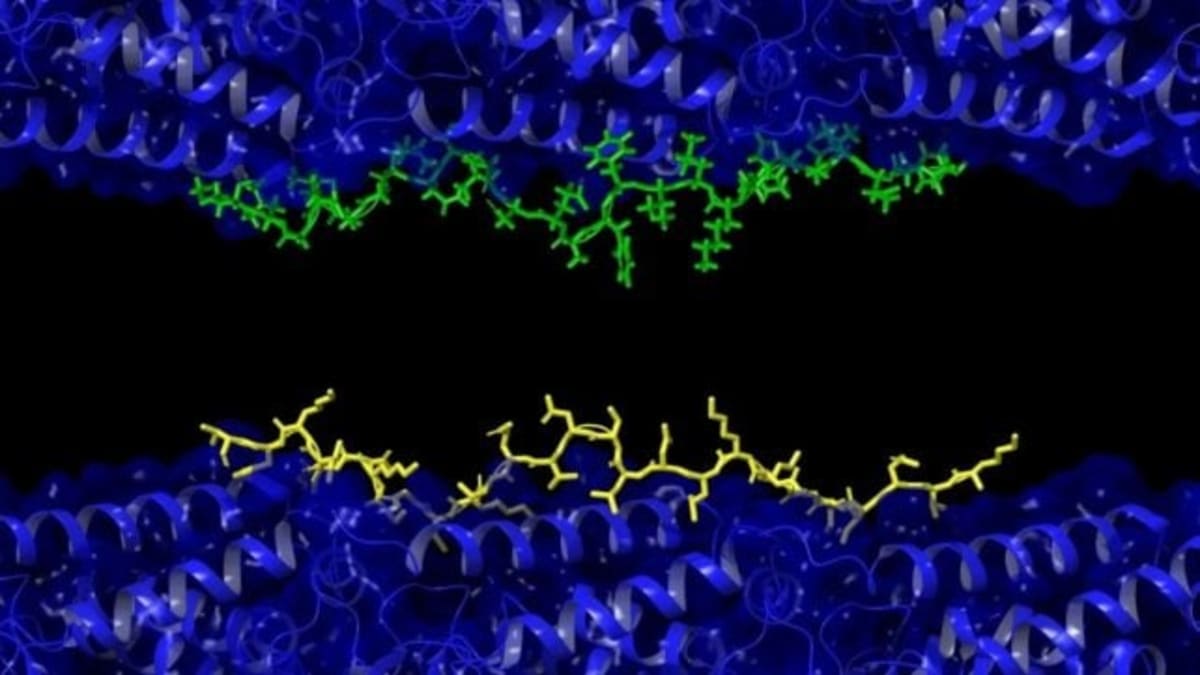
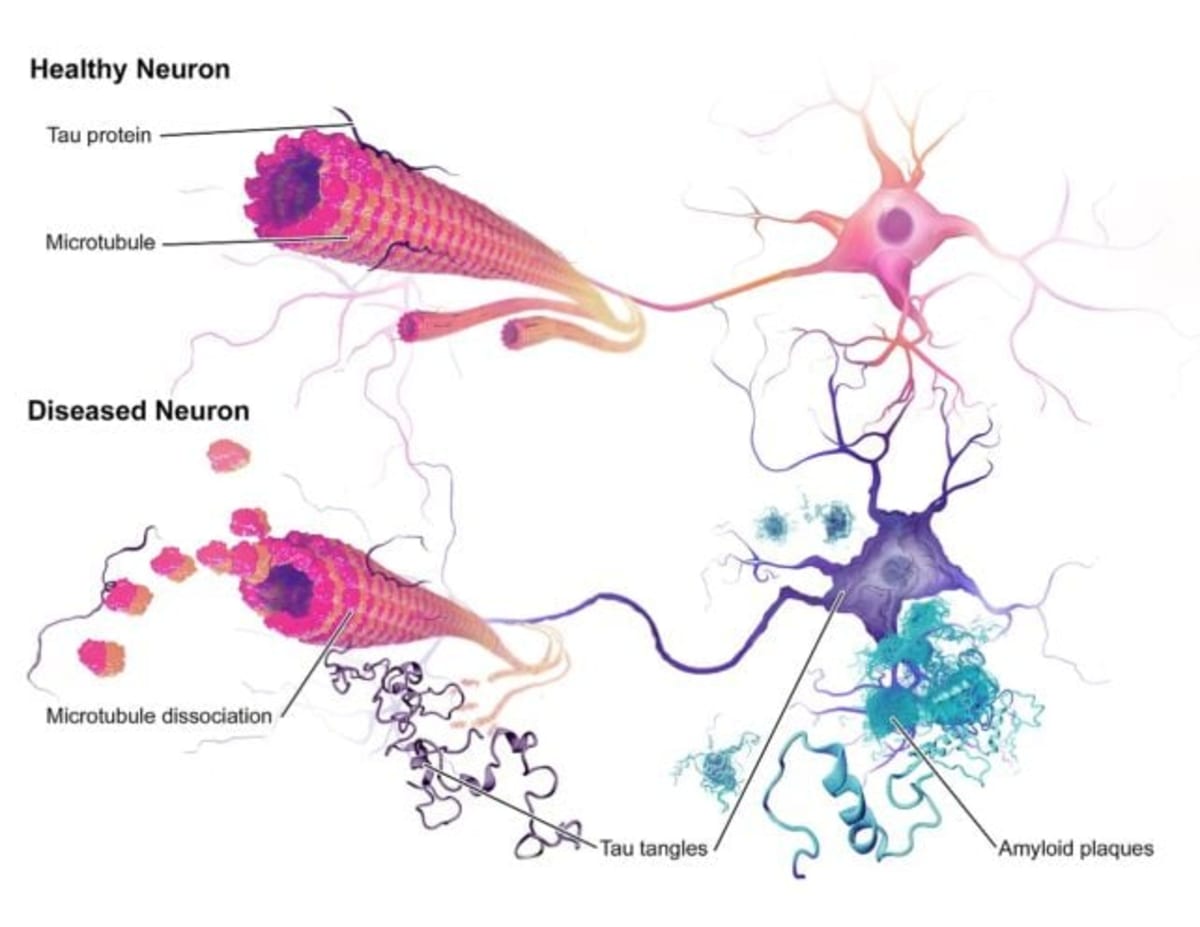
Think of it like musical chairs at the cellular level. Tau proteins normally attach to microtubules, the scaffolding that keeps brain cells stable and functioning. But chemistry professor Ryan Julian and his team discovered that amyloid-beta peptides can steal those exact same binding spots.
When the researchers mixed these proteins together in the lab, they watched amyloid-beta literally push tau aside. Even when other proteins were available, amyloid-beta still preferred grabbing onto microtubules.
This displacement might explain everything that follows. Once tau gets kicked off its normal attachment points, it tangles up inside neurons while the microtubules destabilize. Brain cells can't function properly, and eventually they die.
"In addition to having dementia, an Alzheimer's diagnosis requires both amyloid-beta and tau buildup in the brain," Julian explains. "But many labs focus on the role of one and ignore the other."
Why This Inspires
This discovery helps make sense of why so many clinical trials have disappointed patients and families. Treatments that simply clear away protein plaques haven't restored brain function because they weren't addressing the real problem: the displacement of tau and breakdown of cellular scaffolding.
The research opens exciting new doors for treatment. Animal studies already show that lithium might help stabilize those crucial microtubules. Future therapies could focus on protecting brain cell structure rather than just cleaning up protein buildup.
For the 70 percent of dementia patients with Alzheimer's, this unifying theory brings genuine hope. Understanding how the disease starts means scientists can finally target the right mechanisms.
"It gives us a clearer picture of what may be going wrong inside neurons and where new treatments might start," Julian says.
More Images

Based on reporting by Google News - Health
This story was written by BrightWire based on verified news reports.
Spread the positivity!
Share this good news with someone who needs it