Scientists Name Hairy New Fish After Mr. Snuffleupagus
A tiny, impossibly hairy fish that evaded scientists for two decades now has an official name honoring Sesame Street's beloved woolly mammoth. The discovery adds a seventh species to the mysterious ghost pipefish family.
For 20 years, marine biologist David Harasti wondered if the shockingly hairy red fish he spotted in Papua New Guinea was real or imagined. He saw it once in 2003, then spent six more visits searching underwater without finding a trace.
But Harasti's patience paid off. With help from Great Barrier Reef divers and museum collections, scientists confirmed the fish was not only real but entirely new to science.
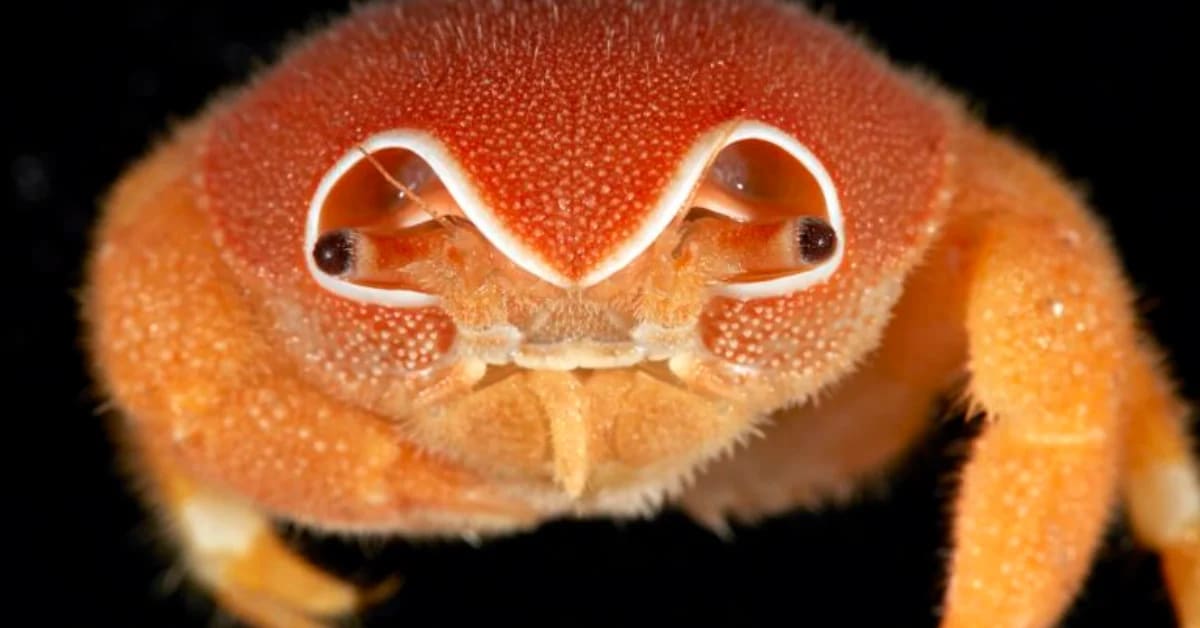
Meet Solenostomus snuffleupagus, officially named after Big Bird's furry friend from Sesame Street. The resemblance is uncanny: both sport the same reddish, shaggy appearance that makes them instantly recognizable.
"It was so easy to say, 'Yeah, this looks like Snuffleupagus.' I mean, it's almost identical. It's scary," says Graham Short, an ichthyologist at the California Academy of Sciences who helped formally describe the species.
The team got so excited they emailed Sesame Street Australia. The production company responded the very next day.
This tiny creature measures just one to one and a half inches long and lives in the southwest Pacific Ocean. Those dramatic "hairs" aren't actually hair but specialized filaments covering its bony plates, helping it camouflage perfectly among red algae.
"You can easily see a lot of divers going by this fish and not realizing it's an actual fish," Short explains. The seventh known ghost pipefish species, S. snuffleupagus is a relative of seahorses with equally mysterious habits.
CT scans revealed the new species has more vertebrae than its relatives and diverged from its closest cousin about 18 million years ago. The scans also uncovered a surprise: skeletons of smaller fish in its gut.
"For such a cute little thing, it's actually a predator," Short notes.
Why This Inspires
This discovery reminds us that our oceans still hold countless secrets waiting to be found. Harasti's two-decade search shows how persistence and curiosity can reveal wonders hiding in plain sight, even when they look impossibly fantastical.
Ghost pipefishes remain largely mysterious to scientists, who rely mostly on observations from divers to learn about them. Like seahorses, the males carry and brood the eggs while females grow larger.
What makes S. snuffleupagus truly special is taking camouflage to an extreme. "Other species can be a little bit hairy in certain spots, like under the snout," Short says. "But this one took the hairy form all the way."
The discovery proves that patience and collaboration can solve even the most elusive natural mysteries, turning a fleeting underwater glimpse into a permanent addition to science.
More Images



Based on reporting by Scientific American
This story was written by BrightWire based on verified news reports.
Spread the positivity!
Share this good news with someone who needs it