Scientists Name New Weevil After South Africa's Park
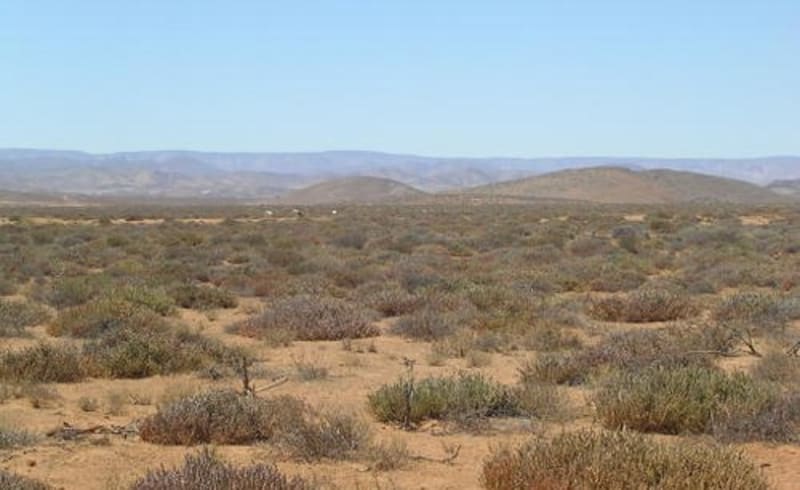
International researchers discovered multiple new insect species in South Africa's Richtersveld National Park, including a tiny weevil they named after the park itself. The findings confirm this remote desert landscape as a global hotspot for species found nowhere else on Earth.
Scientists just named a newly discovered weevil species after South Africa's Richtersveld National Park, honoring a place that keeps revealing nature's hidden treasures.
International entomologists Dr. Massimo Meregalli from Italy and Dr. Roman Borovec from the Czech Republic identified several insect species completely unknown to science during recent fieldwork in the park. These tiny flightless weevils live secretly beneath desert shrubs and venture out mainly at night, making them incredibly difficult to find and study.
The breakthrough came when the researchers explored the remote Armmanshoek Valley with guidance from park nursery curator Pieter van Wyk. No one had previously surveyed this challenging terrain for soil insects, and the effort paid off spectacularly.
The scientists named one newly discovered genus and species Richtersveldiella sanparkensis. It's the first insect species ever formally named after both SANParks (South African National Parks) and Richtersveld National Park, cementing the location's importance in scientific history.
The researchers also honored local heritage by naming other genera Khoisan and Nama. These names acknowledge the deep historical connection between Indigenous communities and this unique landscape stretching back thousands of years.
The Ripple Effect
These discoveries do more than just add names to scientific journals. They confirm the Richtersveld as a true biodiversity hotspot, home to species found nowhere else on Earth.
The findings also validate South Africa's commitment to protecting not just the iconic animals that grab headlines, but the often overlooked creatures that keep entire ecosystems functioning. Soil-dwelling insects might not seem glamorous, but they play crucial roles in nutrient cycling and supporting the food web that larger animals depend on.
The work demonstrates how protected areas enable scientific breakthroughs. Without the park's conservation status and SANParks' support for research, these species might have disappeared before anyone knew they existed.
SANParks called the naming of Richtersveldiella sanparkensis "a lasting scientific tribute" to ongoing biodiversity conservation efforts. The recognition from internationally respected scientists reinforces that South Africa's protected areas matter on a global scale.
Every new species discovered reminds us how much we still don't know about our planet, and how many treasures remain waiting in places wild enough to keep their secrets.
Based on reporting by AllAfrica - Headlines
This story was written by BrightWire based on verified news reports.
Spread the positivity!
Share this good news with someone who needs it