Scientists Plan Artificial Eclipses to Predict Solar Storms
A UK-led space mission aims to create total solar eclipses on demand, giving scientists an unprecedented view of the sun's atmosphere to better forecast damaging solar storms. The innovation could protect our tech-dependent world from billion-dollar disruptions.
📺 Watch the full story above
Imagine being able to create a solar eclipse whenever scientists need one. That's exactly what an international team of researchers is planning with a groundbreaking spacecraft mission that could save billions in damage from solar storms.
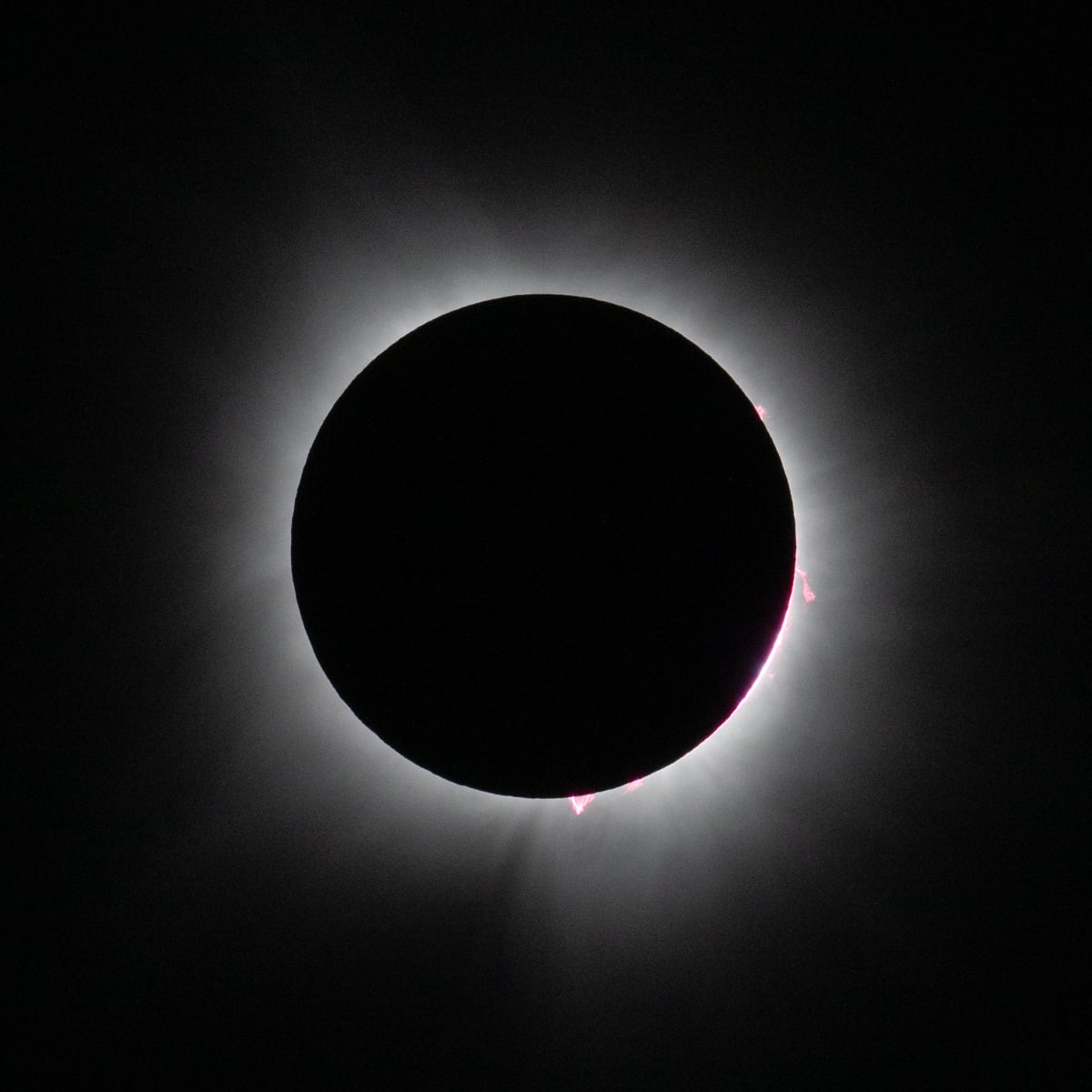
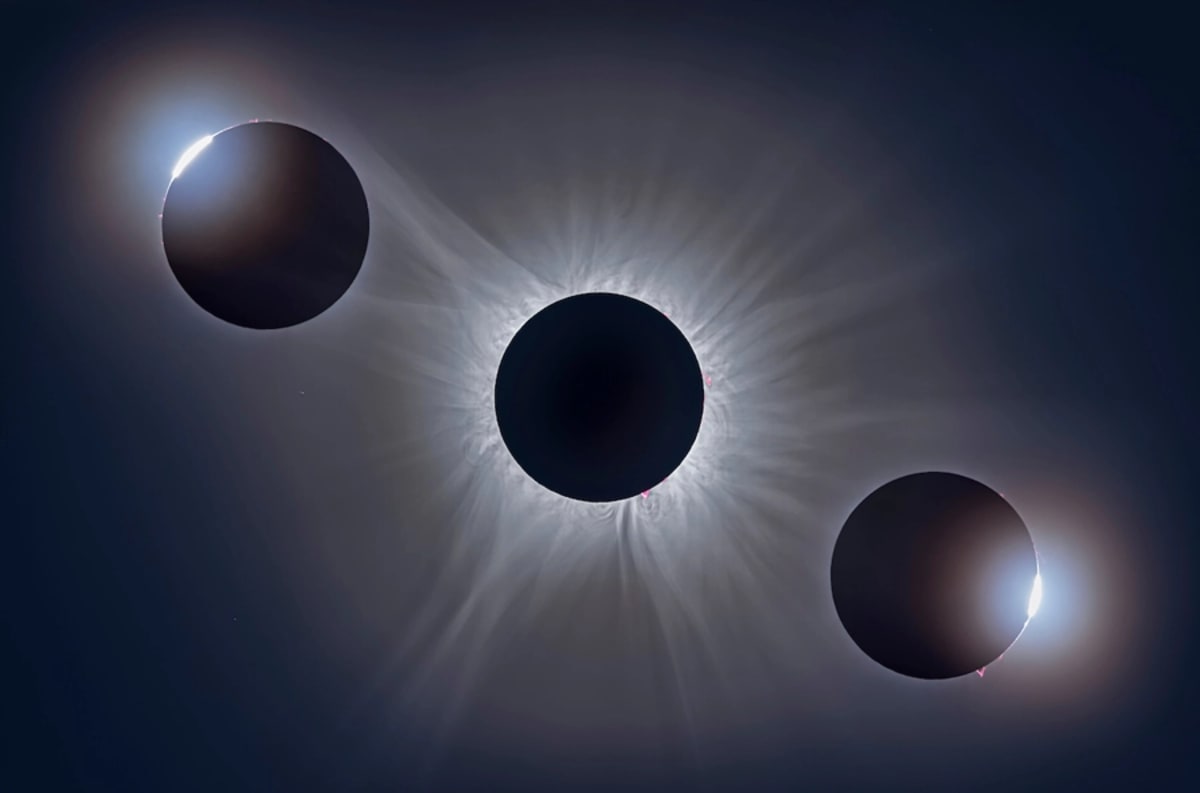
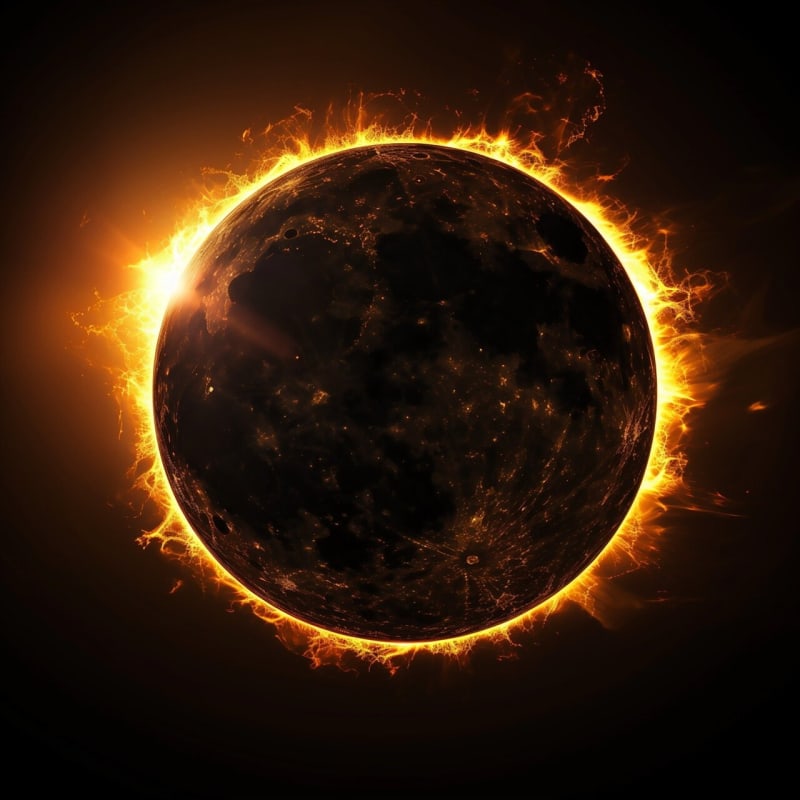
The proposed mission, called Mesom (Moon-enabled Sun Occultation Mission), would block out the sun's blinding light in space, allowing scientists to study the solar corona in detail. This outer layer of the sun's atmosphere is where dangerous solar storms originate, yet it remains mostly hidden from view because of the sun's overwhelming brightness.
The stakes are higher than most people realize. In 1989, a solar storm plunged Quebec into a nine-hour blackout, costing tens of millions of dollars. Last May, solar eruptions caused GPS failures that cost US farmers alone $500 million.
But those events were mild compared to what scientists call the Carrington Event of 1859. That massive solar storm sent electrical currents through telegraph wires, shocking operators and sparking fires in telegraph offices across North America and Europe. One operator in Washington DC suffered serious injuries.
Today, a similar event would be catastrophic for our technology-dependent world. UK governments have recognized this threat since 2012, making better forecasting essential.
Current tools fall short of what's needed. Total solar eclipses on Earth only happen about once every 18 months and last just a few minutes. Weather can ruin observations, and Earth's atmosphere distorts the faint light from the corona.
Existing coronagraphs, special telescopes designed to block the sun's light, have helped since 1995. The Solar and Heliospheric Observatory spacecraft has captured stunning corona images, but even these instruments can't see the deepest, most critical layers of the sun's atmosphere where storms begin.
Why This Inspires
This mission represents a turning point in protecting our planet. By creating eclipses on demand, scientists can finally observe the physical processes that confine and release the sun's hot plasma through its magnetic fields.
The technology solves a problem that has frustrated astronomers for decades. Instead of waiting for rare natural eclipses or settling for limited coronagraph views, researchers will have continuous access to the solar corona at multiple wavelengths and timescales.
Better forecasting means earlier warnings for power companies, satellite operators, and farmers who depend on GPS. It means protecting the infrastructure that keeps hospitals running, communications flowing, and modern life functioning.
The mission also promises answers to longstanding mysteries about our star, advancing both practical protection and pure scientific understanding. When scientists can see clearly, they can predict accurately.
As solar activity intensifies during the current cycle, this innovation arrives at exactly the right moment to shield humanity from the sun's most powerful tantrums.
More Images

Based on reporting by Phys.org
This story was written by BrightWire based on verified news reports.
Spread the positivity!
Share this good news with someone who needs it