%2Ffile%2Fattachments%2Forphans%2Fnaturalsavannah_917845.jpg)
Scientists Protect Africa's Savannas from Tree Planting
New research corrects a major flaw in global climate maps that wrongly labeled Africa's thriving savannas as degraded land needing trees. The groundbreaking roadmap protects ancient grasslands while still delivering massive climate benefits.
For years, global climate maps made a troubling mistake: they labeled some of Earth's healthiest ecosystems as broken land in need of fixing.
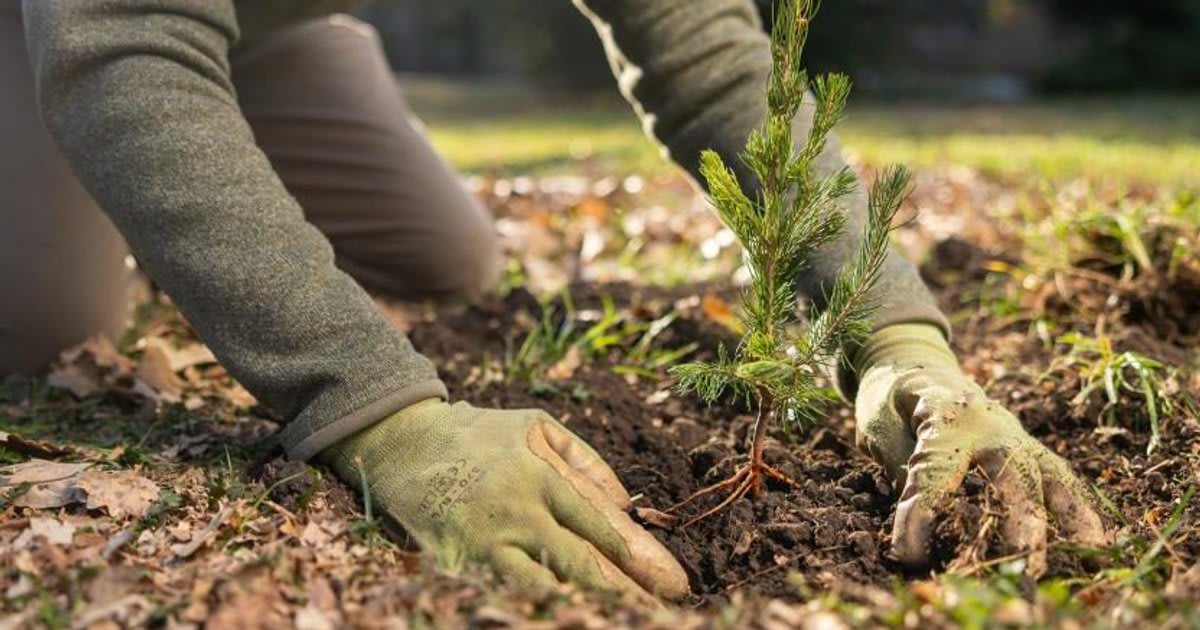
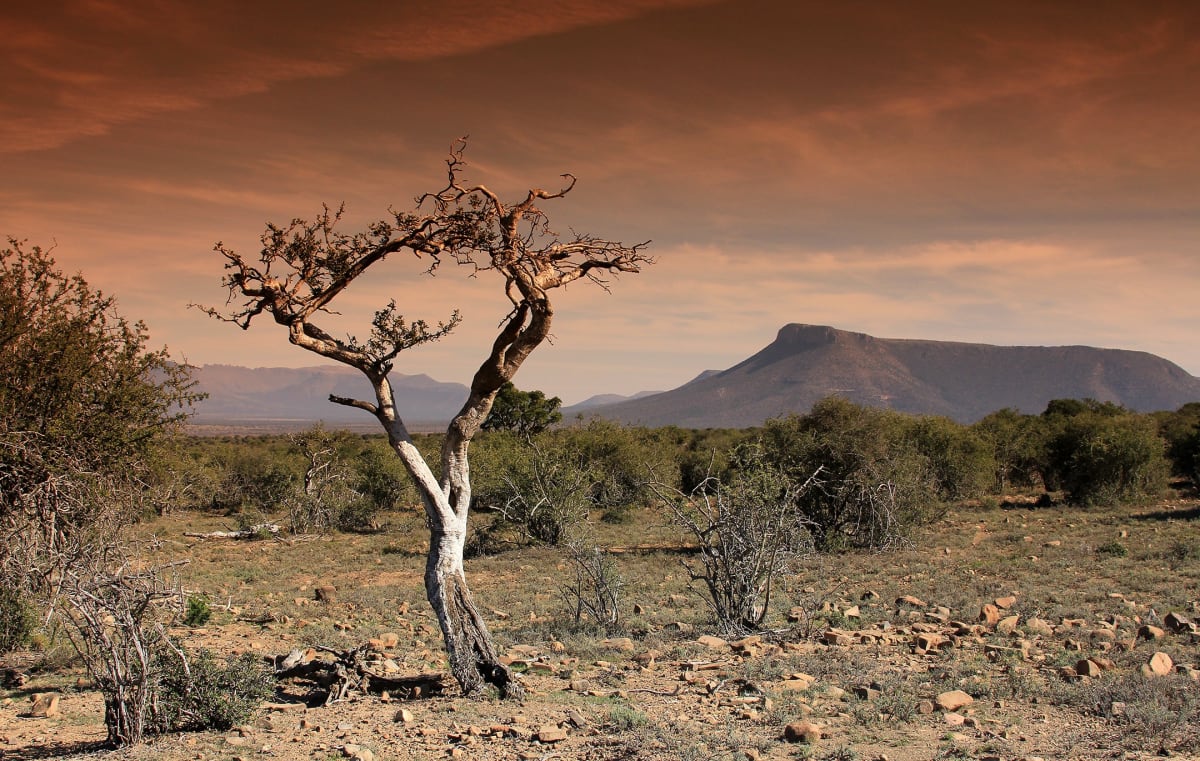
Vast stretches of Africa's ancient savannas, including places like Kruger National Park, were marked as "degraded" simply because they didn't have dense tree cover. Climate projects targeted these grasslands for tree planting, threatening to destroy the very ecosystems they aimed to help.
Now scientists have published a game-changing solution. The new Africa's Nature Transition roadmap, co-produced by Wits University's Future Ecosystems for Africa program and Conservation International, corrects these dangerous misclassifications while charting a path to remove 1.6 gigatonnes of carbon dioxide annually. That's equal to taking 350 million cars off the road.
"Savannas are not degraded forests. They are ancient systems with their own integrity," says Ghanaian ecologist Mohammed Armani, who co-authored the foundational research. His 2024 study revealed that suitable land for new tree planting is actually 92% smaller than previously thought, protecting billions of acres of functioning grasslands from misguided restoration.
The distinction matters enormously. Savannas support lions, cheetahs, wild dogs and countless species that would vanish if these grasslands became forests. They store massive amounts of carbon in their soils and roots, not in tree trunks. Fire and grazing animals like zebra, wildebeest and cattle maintain the delicate balance that has existed for millennia.
The old maps relied on a simple but flawed assumption: more trees always equals better ecology. They used low-resolution satellite data and vague definitions of "forest" that swept grasslands into the same category as cleared rainforest. The consequences reached far beyond ecology, threatening food security by misclassifying cropland and endangering the livelihoods of pastoralists who depend on grasslands.
The Ripple Effect
The corrected roadmap opens doors for innovative climate solutions that work with nature instead of against it. Companies like Rewild Capital are already developing soil carbon projects that improve grassland health while supporting wildlife tourism and traditional grazing. These approaches store carbon while preserving biodiversity and creating economic opportunity.
The research doesn't diminish the critical importance of reforestation where forests truly belong. West African rainforests, the Amazon and other cleared woodlands desperately need restoration. "Trees can help, but only in the right places, the right species, for the right reasons," Armani emphasizes.
Sally Archibald, Armani's collaborator, sees the corrected maps as good news for communities. "There are still myriad opportunities to both store carbon and restore ecosystem functioning," she says. People can continue grazing cattle, harvesting fuelwood and running ecotourism businesses in climate-friendly ways.
The roadmap represents a fundamental shift in how the world approaches climate solutions: recognizing that protecting what works matters as much as planting what's missing.
More Images
%2Ffile%2Fattachments%2Forphans%2FDrMohammedArmani_220740.jpg)
%2Ffile%2Fattachments%2Forphans%2Fwildebeesinsunset2_939579.jpg)
%2Ffile%2Fattachments%2Forphans%2Fmaninveld_973660.jpg)
Based on reporting by Google News - Reforestation
This story was written by BrightWire based on verified news reports.
Spread the positivity!
Share this good news with someone who needs it