Scientists Push for Fair Mining in Clean Energy Transition
Researchers propose "just-shoring" to ensure communities control how minerals for solar panels and electric vehicles are mined on their land. The framework gives local and Indigenous people legal rights to govern extraction from start to finish.
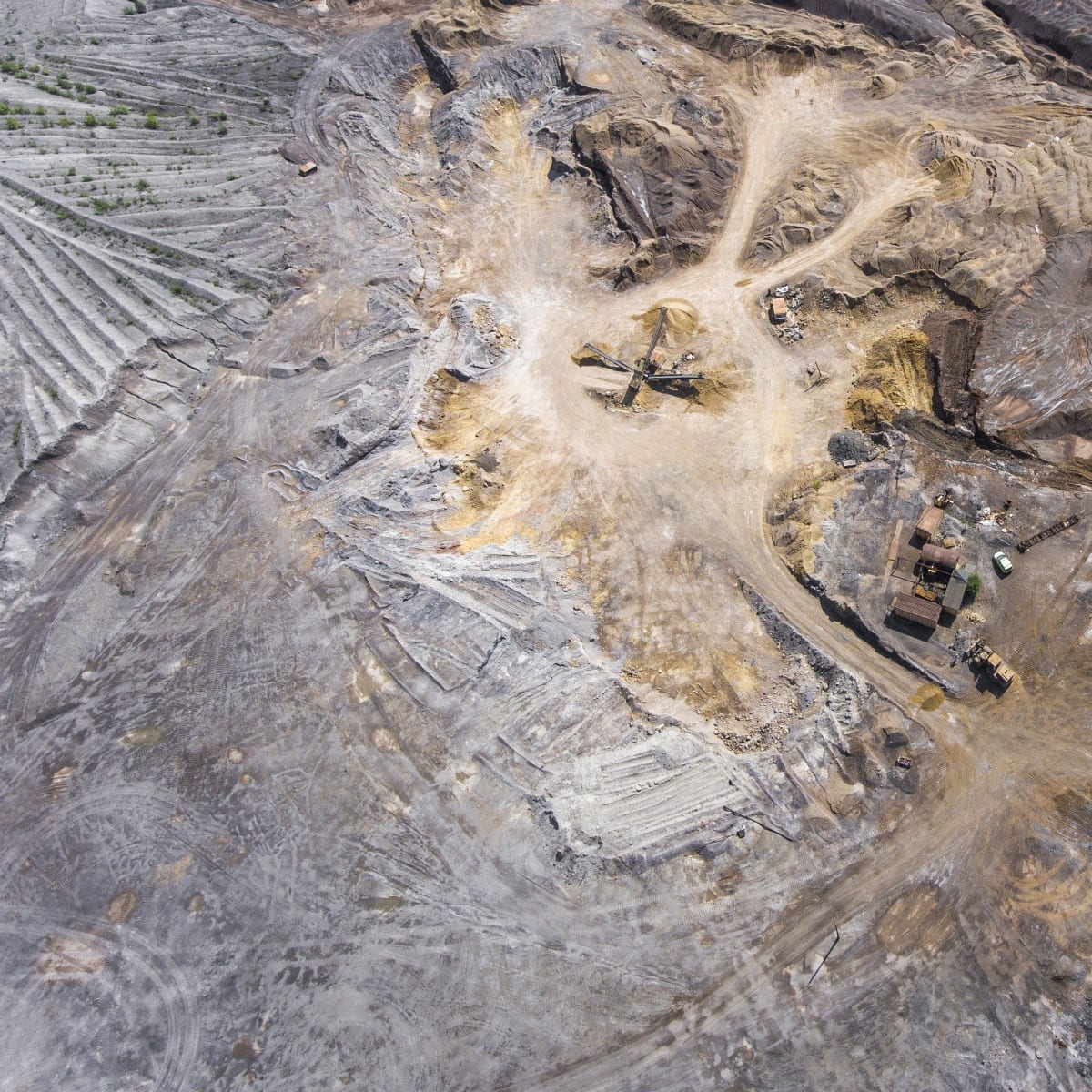
The race to power electric cars and wind turbines is creating a new problem: mining minerals in ways that harm the very communities climate action should protect.
Researchers at the University of Utah just published a solution in Nature Energy called "just-shoring." It flips the script on how countries secure copper, lithium, and rare earth elements needed for clean energy.
Right now, the U.S. and European Union are scrambling to mine these materials at home or move operations to allied countries. China currently dominates the supply chain, controlling most rare earth mining and processing. That makes everyone nervous about access to materials that power everything from smartphones to solar panels.
But simply moving where we dig creates the same old problems in new places. More than half of proposed mining sites sit on or near Indigenous and farming land.
"We cannot build a low-carbon future on sacrifice zones," said lead author Jessica DiCarlo, a human geographer studying resource politics. "Communities are told extraction is necessary for climate action, but too often they are excluded from decision making."
The Ripple Effect
Just-shoring changes who holds power. Instead of voluntary guidelines companies can ignore, it makes accountability legally enforceable.
Communities get co-governing rights throughout the entire mining lifecycle. That means they help decide if mining happens at all, how it proceeds, who benefits financially, and how land gets restored after operations end.
The framework asks three questions before any shovel hits dirt: Who actually benefits? Whose health and water are at risk? Is this much extraction even necessary for climate goals?
That last question matters more than most people realize. The rush for minerals could undermine the climate progress they're supposed to enable if extraction damages environments and deepens inequality.
Existing frameworks like the Paris Agreement already recommend local resource control, but only as a suggestion. Just-shoring makes it a requirement with legal teeth.
The research team argues urgency can't excuse injustice. Yes, we need to decarbonize fast. But repeating the fossil fuel era's pattern of exploitation under a "green" label defeats the purpose of climate action.
Communities contributing least to climate change shouldn't shoulder the heaviest burdens of fixing it. Just-shoring ensures the clean energy transition actually lives up to the "just" part of its name.
More Images

Based on reporting by Phys.org
This story was written by BrightWire based on verified news reports.
Spread the positivity!
Share this good news with someone who needs it