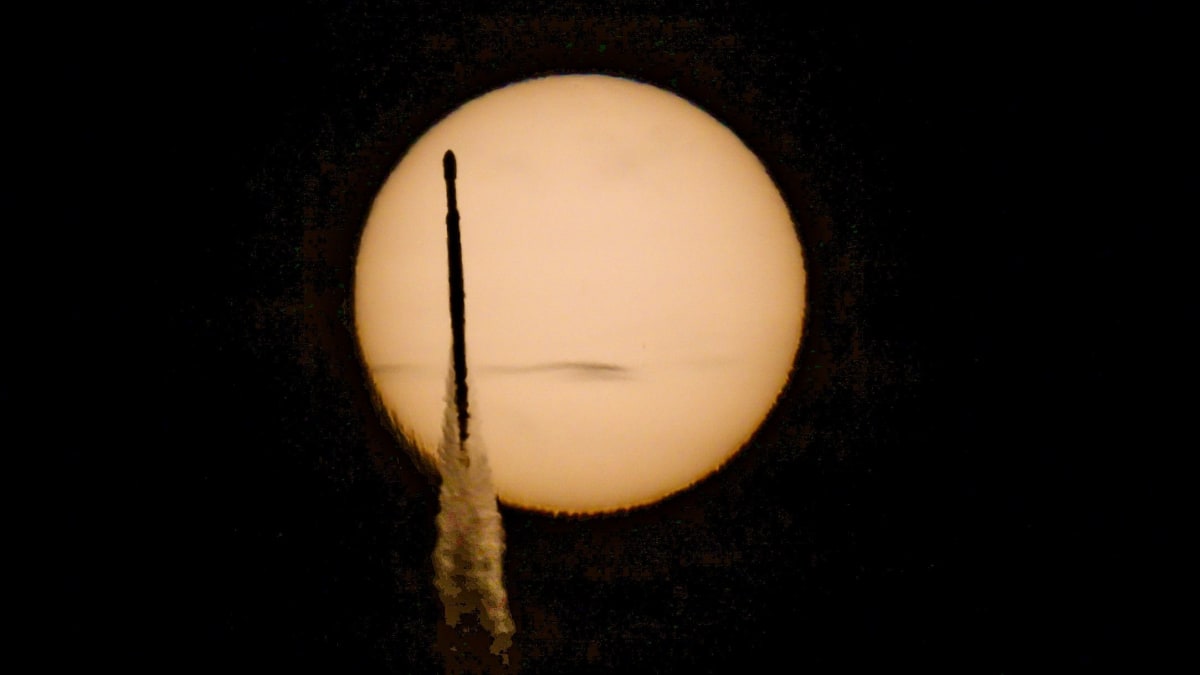
Scientists Push for Moon Protection as Artemis Launches
As humans return to the Moon after 50 years, space environmentalists are calling for binding protections to preserve our celestial neighbor before mining and bases change it forever. It's a race between exploration and stewardship.
The Moon might need protection before it's too late, and a growing group of scientists wants the world to listen.
As the Artemis II mission sends four astronauts around the Moon for the first time in over five decades, space environmentalist Moriba Jah is raising an important question: Who gets to decide what happens to Earth's closest neighbor?
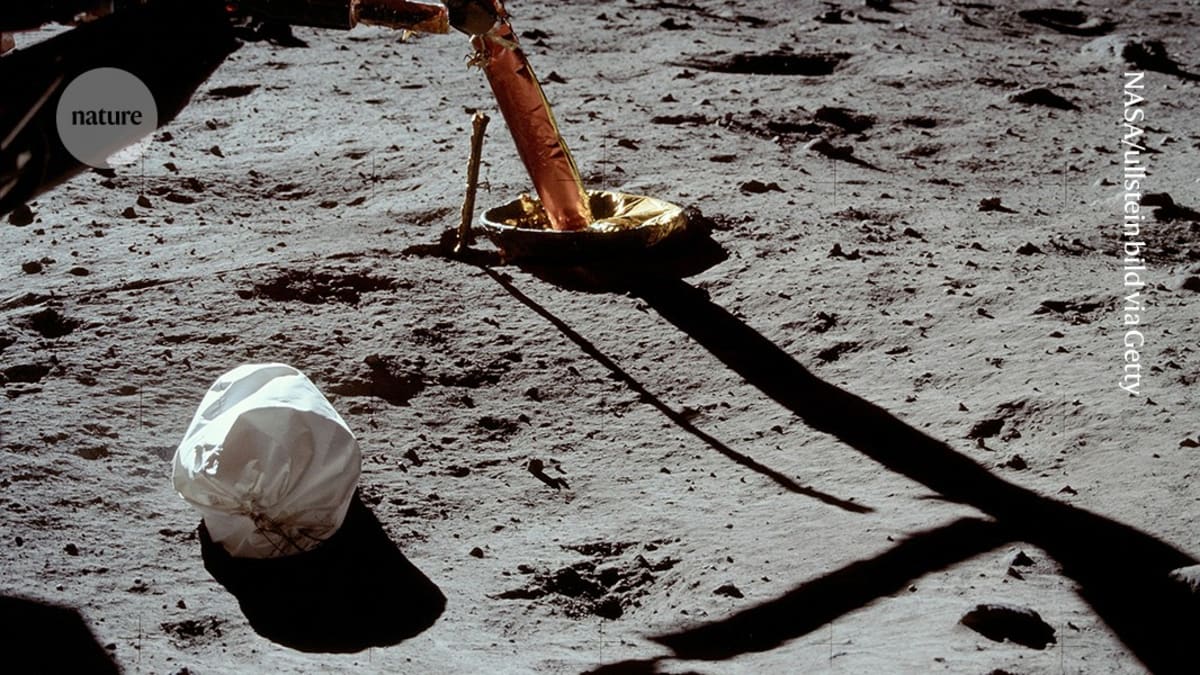
The stakes are real. Between 1969 and 1972, Apollo astronauts left 96 bags of human waste on the lunar surface to make room for Moon rocks. The very first photo Neil Armstrong took on the Moon actually captured one of those bags.
Now astrobiologists worry about biological contamination, but there's a bigger issue at play. NASA and private companies are planning permanent bases, resource mining, and using the Moon as a launching pad to Mars. NASA administrator Jared Isaacman even admitted the lunar surface will "look like a junkyard" for about a decade.
The 1967 Outer Space Treaty prevents countries from claiming the Moon, but says nothing about environmental responsibility. The newer Artemis Accords, signed by 61 nations, encourage good behavior but aren't legally binding. Major players like Russia and China haven't signed on.
Jah has spent over 20 years studying Earth's orbit, watching it quietly fill with debris and dead satellites. He sees the same pattern repeating with the Moon.
Why This Inspires
The conversation is shifting just in time. Scientists are proposing the Moon meets every criterion for UNESCO World Heritage status. Its ancient geology is an irreplaceable scientific record, and the water ice in south pole craters holds clues to our Solar System's early days.
The Apollo landing sites represent humanity's first steps beyond Earth. Unlike our oceans and forests, we have a chance to protect the Moon before permanent damage is done.
What makes this moment hopeful is that people are speaking up before the rush begins, not after. The debate about lunar stewardship is happening now, while there's still time to establish real protections that include voices from nations without space programs and communities historically left out of these decisions.
The Moon belongs to everyone who looks up at night, and for the first time, we might actually treat it that way.
More Images


Based on reporting by Nature News
This story was written by BrightWire based on verified news reports.
Spread the positivity!
Share this good news with someone who needs it