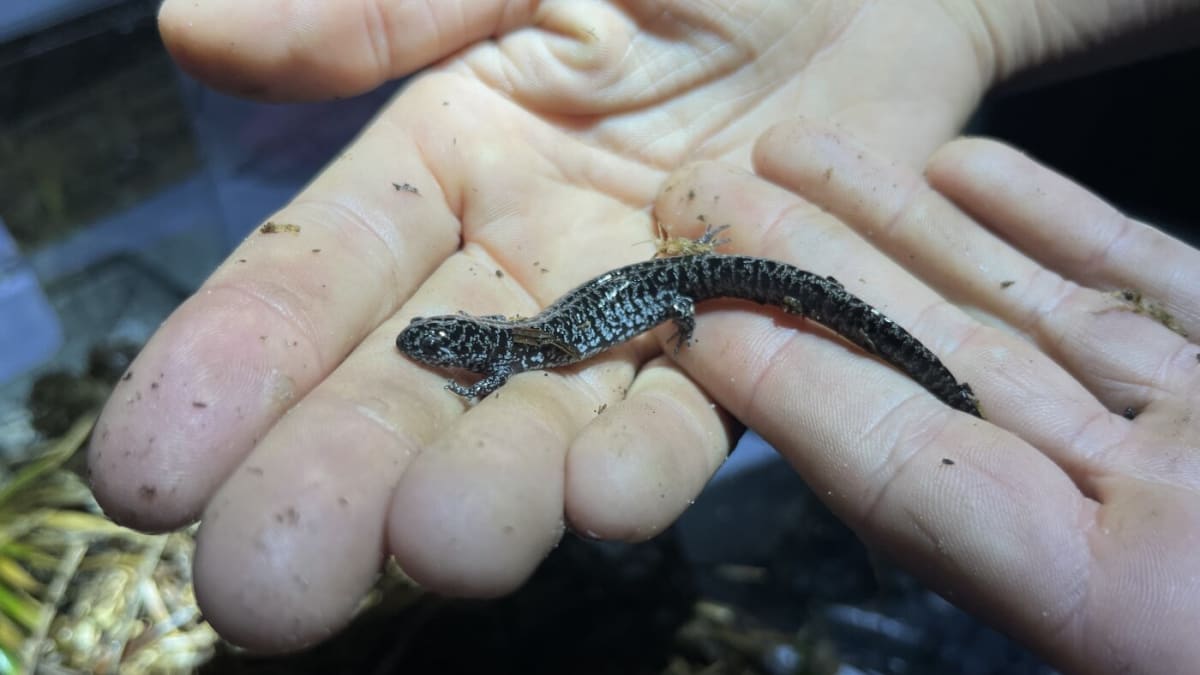
Scientists Race to Save Florida's Rarest Salamander
Conservationists are giving tiny frosted flatwoods salamanders a fighting chance by raising eggs in captivity before releasing them into the wild. The effort is preventing one of America's most endangered amphibians from disappearing forever.
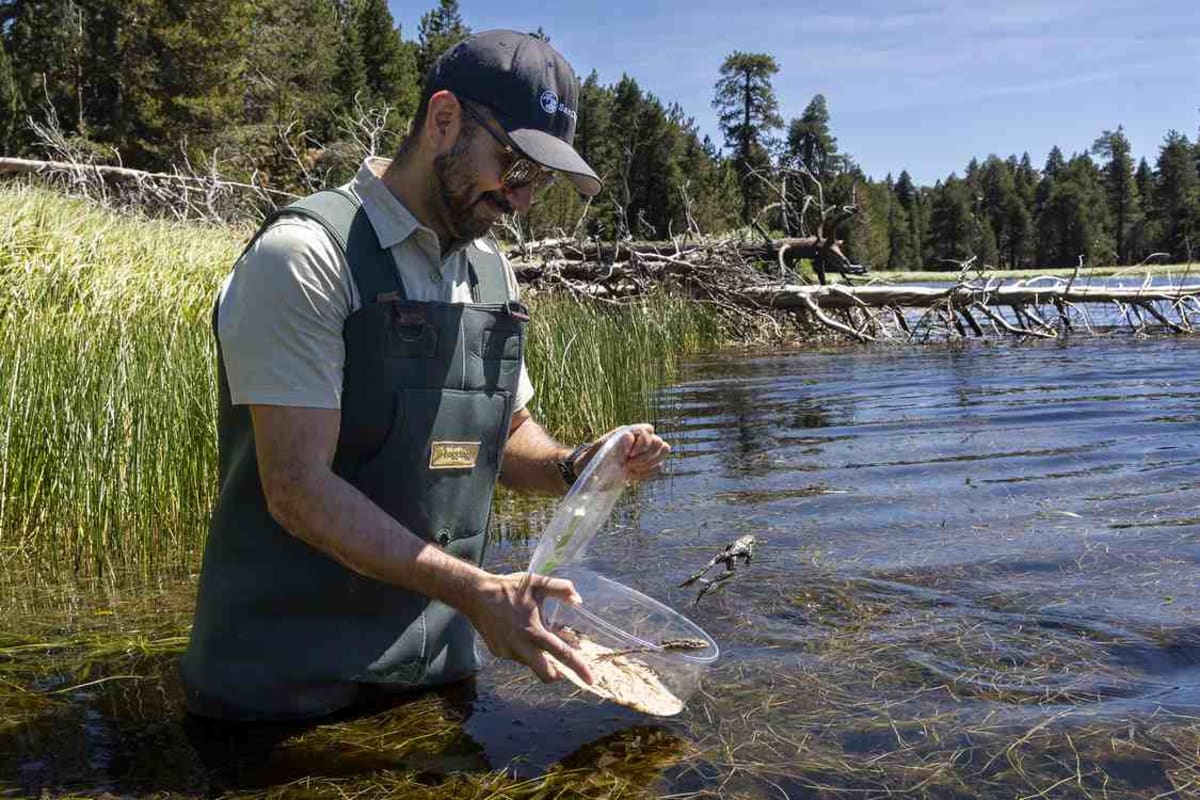
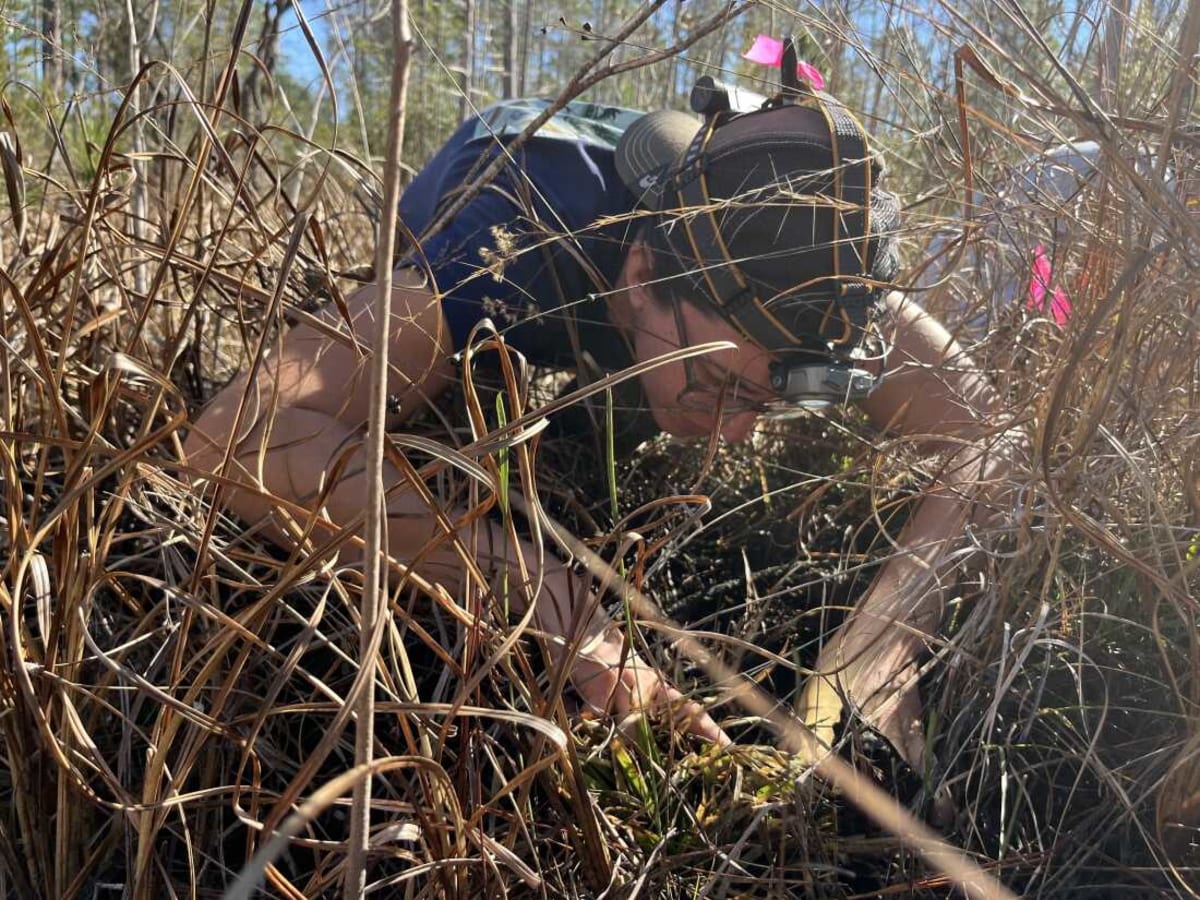
Deep in Florida's wetlands, Nicole Dahrouge crouches in a bog on what she calls "the world's itchiest scavenger hunt." She's searching for something smaller than your thumb that could vanish from Earth without intervention: frosted flatwoods salamander eggs.
These secretive creatures, nicknamed "frosties," spend most of their lives underground in burrows. They emerge only briefly each fall to lay eggs in ephemeral ponds that fill with winter rains.
The problem? Climate change is shifting weather patterns, making those seasonal ponds unreliable. Without enough water at the right time, the eggs dry up and die.
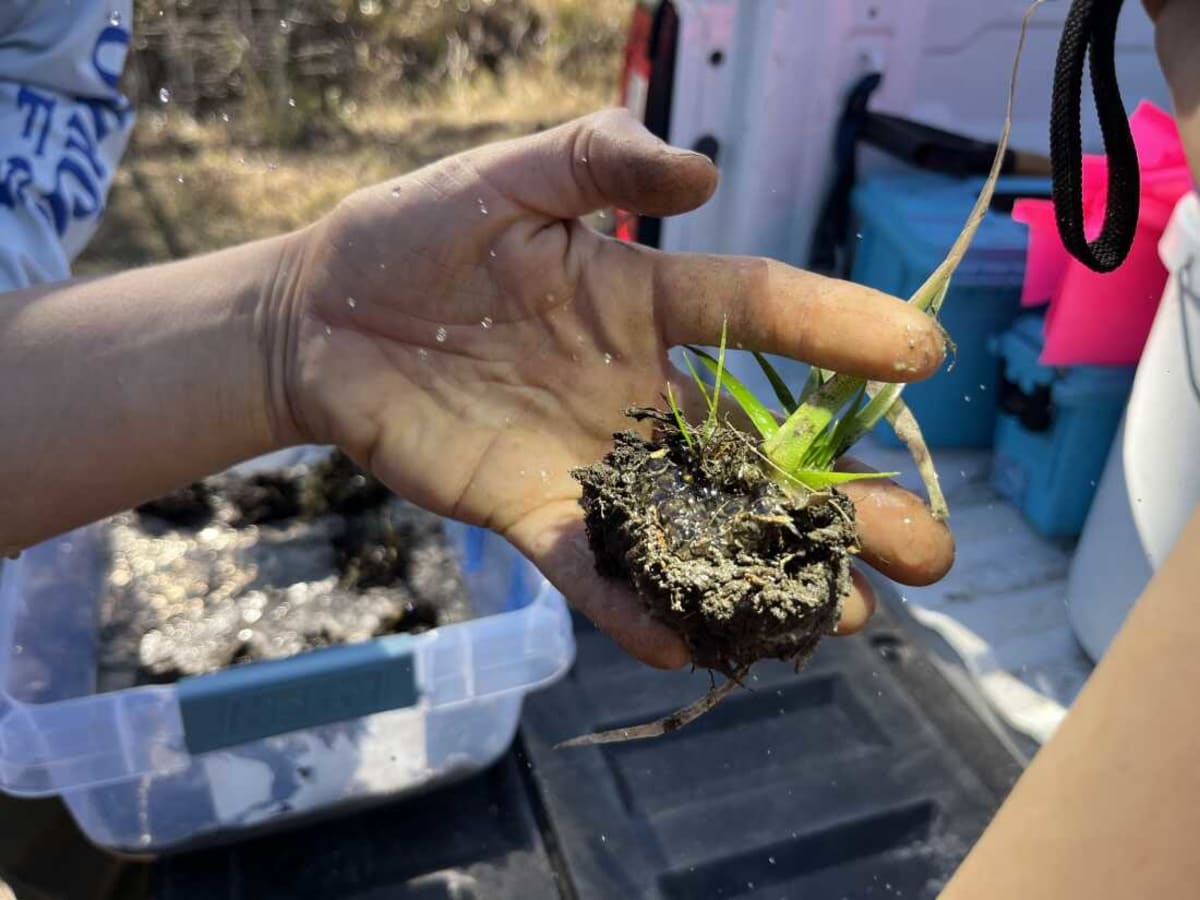
Dahrouge works for the Amphibian and Reptile Conservancy, where her mission is simple but urgent: find salamander eggs in the wild and raise them safely through their most vulnerable life stages. Left alone in nature, most eggs and larvae don't survive—drought kills some while predators devour others like "little protein gummy bears."
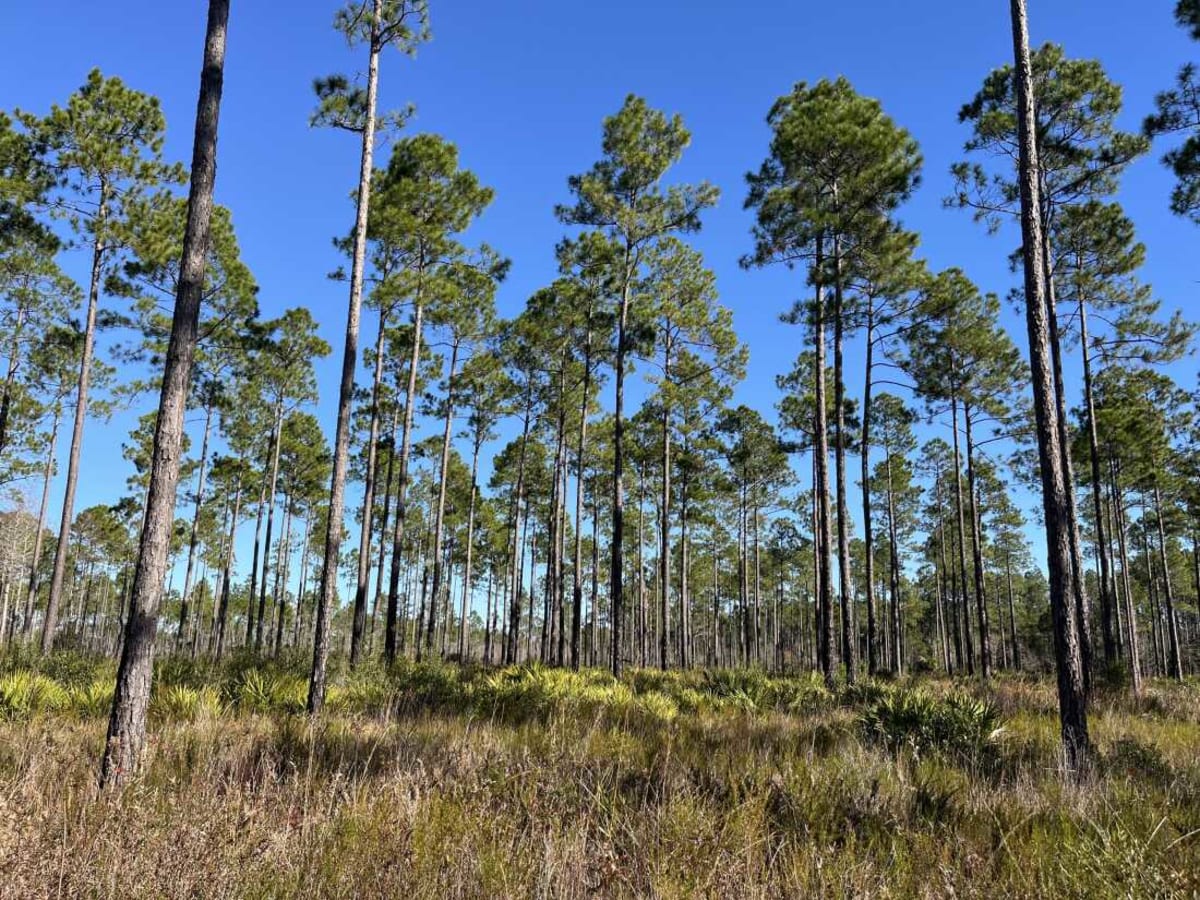
The frosties weren't always this rare. They once thrived across longleaf pine forests stretching from Virginia to Texas, but logging, agriculture, and fire suppression destroyed 97% of that habitat over the past century.
The Bright Side
This hands-on rescue work is buying the frosties precious time. By raising eggs in protected environments, conservationists are boosting survival rates and giving salamanders a shot at adapting to our changing world.
JJ Apodaca, the conservancy's executive director, acknowledges this captive-rearing program is a "stop-gap" with no end in sight. The work demands enormous resources and effort, but the alternative is watching a unique species disappear.
Meanwhile, organizations like the Orianne Society are tackling the bigger picture by restoring longleaf pine ecosystems. These forests need regular low-intensity wildfires to stay healthy, and bringing them back creates homes not just for salamanders but for dozens of other imperiled species.
The U.S. Fish and Wildlife Service listed frosties as threatened in 2009, though scientists say their status warrants an upgrade to endangered. Regardless of paperwork, teams on the ground aren't waiting for policy changes.
"Policy can't go out and save a species," Apodaca says. "We, as a community, we as a society have to go out and save that species."
Thanks to muddy boots, patient searching, and people who refuse to give up, Florida's sparkly black salamanders have champions fighting for their survival.
More Images
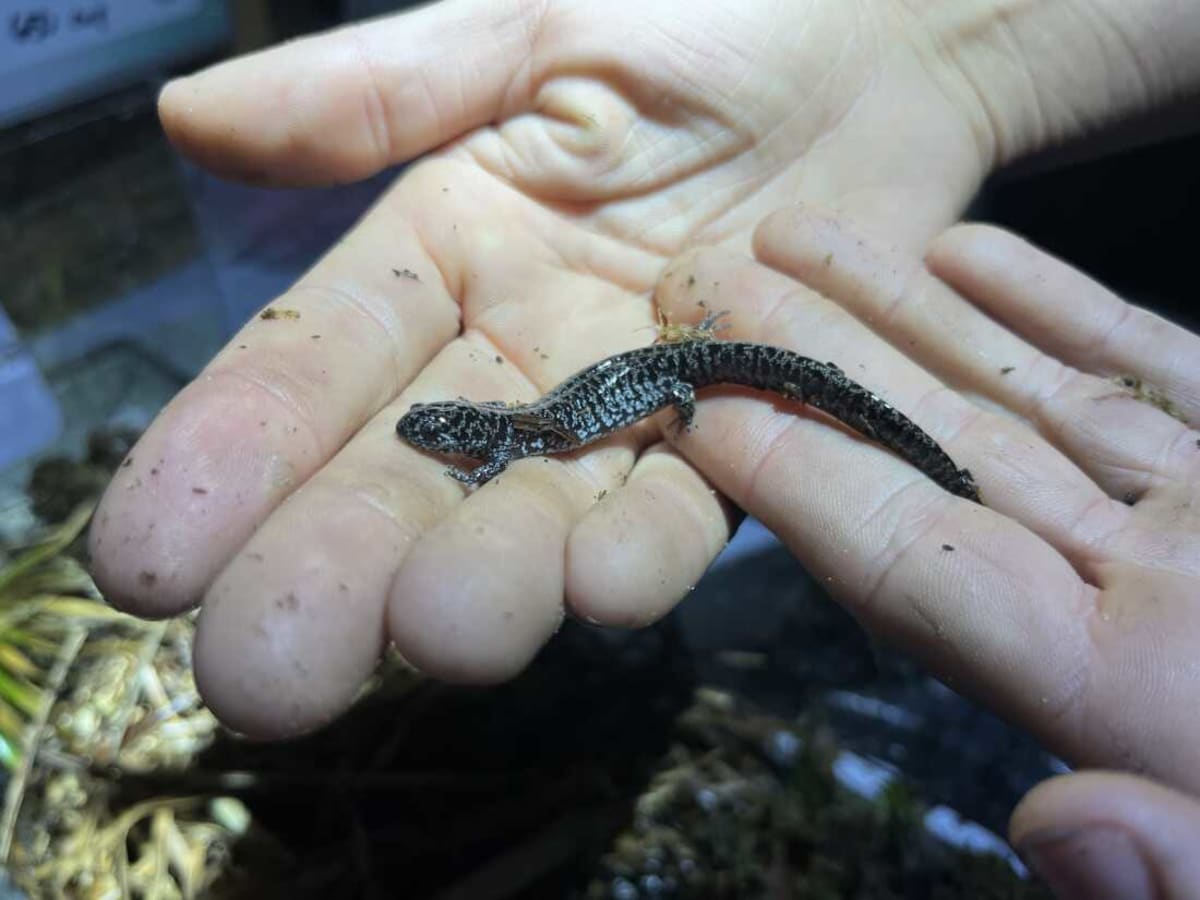
Based on reporting by Google: species saved endangered
This story was written by BrightWire based on verified news reports.
Spread the positivity!
Share this good news with someone who needs it