Scientists Racing to Save Australia's Rarest Plant
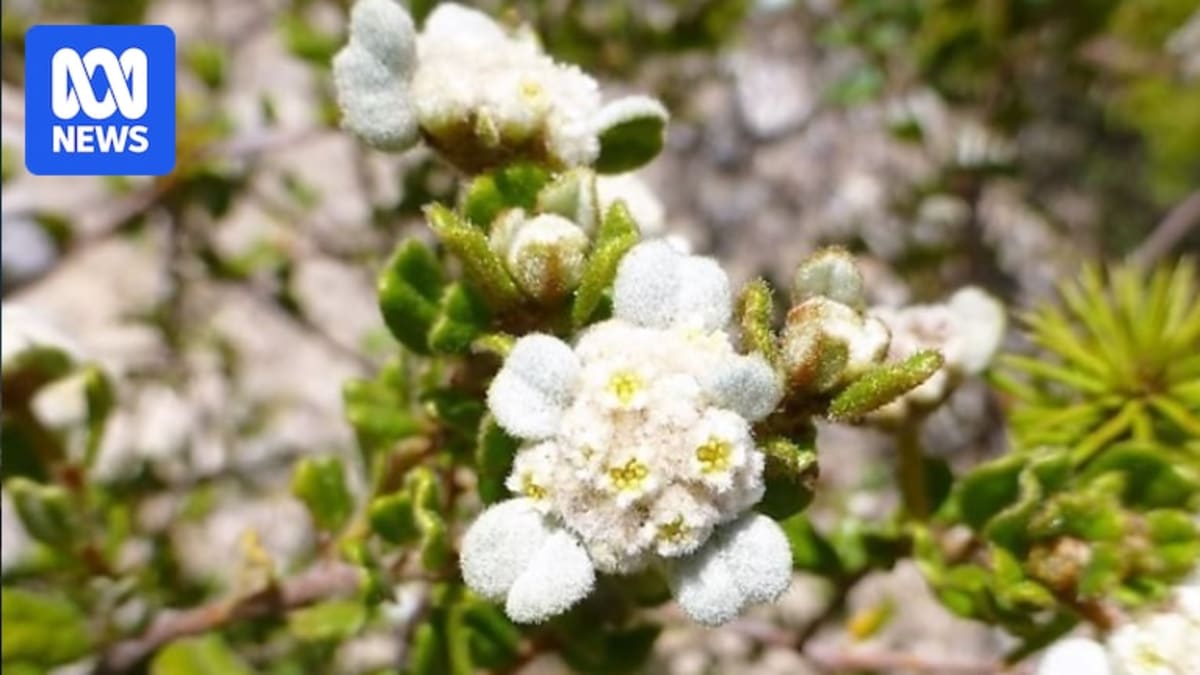
Just one Woods Well spyridium plant remains in the wild along a remote South Australian roadside, but botanists are working around the clock to bring this unique species back from the brink. Their seed conservation efforts offer real hope for this rare native shrub found nowhere else on Earth.
A tiny white-flowered shrub clinging to life on a dusty roadside might not look like much, but it represents something extraordinary: the last known wild specimen of an entire plant species.
The Woods Well spyridium grows in just one spot along the Coorong coastline in South Australia. What started as 35 plants in 2006 has dwindled to a single survivor on a 300-meter stretch of crushed limestone roadside between Meningie and Salt Creek.
But scientists aren't giving up. Robbie Andrew from the Limestone Coast Landscape Board has been monitoring the plant for years, and his team is actively searching for other specimens that might be hiding in the wild. "It's a pretty hard plant to identify because it doesn't have any really distinctive features," Andrew explains.
The plant's story took a crucial turn in 2006 when botanists collected seeds from the original 35 roadside plants. Half went to the SA Seed Conservation Centre at Adelaide Botanic Gardens, and half traveled to the Millennium Seed Bank at Kew Gardens in London. That foresight proved invaluable as the wild population continued to shrink.
This year, scientists collected another 3,000 seeds, building on their preservation efforts. Bradley Bianco, a flora ecologist at the Adelaide Botanic Gardens, now tends several spyridium specimens in a special seed orchard dedicated to rare and endangered plants.
The challenge is getting the seeds to sprout. Even under ideal conditions, the spyridium proves stubborn about germinating. Scientists believe the plant needs specific environmental triggers like fire or soil disturbance, which explains why it might have first appeared when road construction disturbed the area decades ago.
The Bright Side
Every setback has taught the conservation team something new. They've discovered the plant lives for decades rather than centuries, and its seeds can survive dormant in soil for years. Understanding these patterns helps them create better conditions for germination.
The spyridium specimens thriving in the botanic gardens represent a insurance policy for the species. As scientists continue their germination trials, they're learning how to coax new plants to life. Each success brings them closer to potentially reintroducing the species to suitable habitats.
Bianco sees the work as part of something bigger: protecting South Australia's natural heritage for future generations. "It's a unique plant that doesn't grow anywhere else, and we find it's our responsibility to maintain those things," he says.
The search continues across the fragmented Coorong landscape, and with thousands of seeds safely stored and new plants growing in the seed orchard, this remarkable little shrub has a fighting chance.
More Images


Based on reporting by ABC Australia
This story was written by BrightWire based on verified news reports.
Spread the positivity!
Share this good news with someone who needs it