Scientists Ready to Fight Ebola Lost Funding in 2024
Researchers who've stopped past Ebola outbreaks in Africa can only watch as a new crisis unfolds. Their pandemic prevention network lost all federal funding last year, leaving communities without the rapid response teams that once saved thousands of lives.
A network of disease detectives who helped contain deadly Ebola outbreaks across Africa has been forced to sit on the sidelines during the current crisis. The reason sounds almost unbelievable: their funding was cut last year based on conspiracy theories about COVID-19.
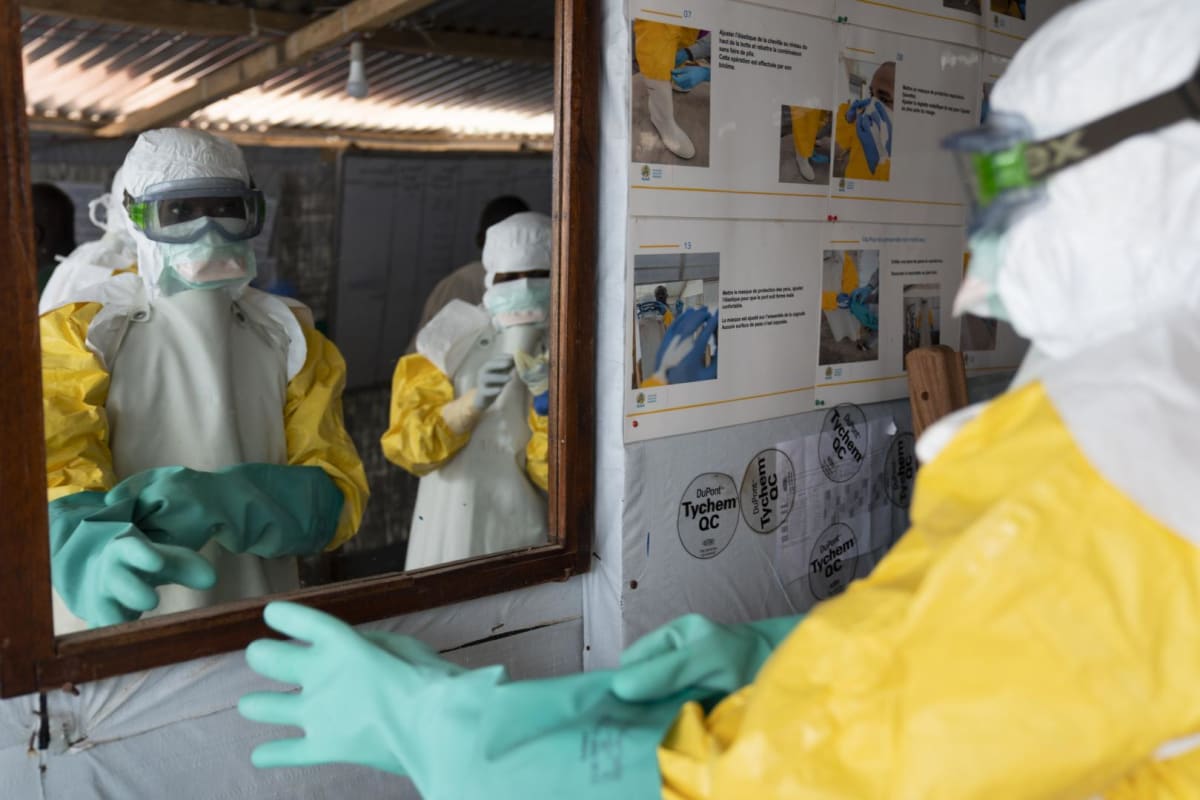
The Centers for Research in Emerging Infectious Diseases operated 10 research sites across the world where outbreaks are most likely to happen. These weren't just labs. They were boots on the ground, working with local health workers to spot diseases early and stop them fast.
When Ebola hit Uganda in 2022, the CREID team helped detect cases quickly and trace contacts effectively. The outbreak was declared over in just four months. Only 164 people got sick, and 55 died, numbers that sound grim but could have been catastrophic without rapid response.
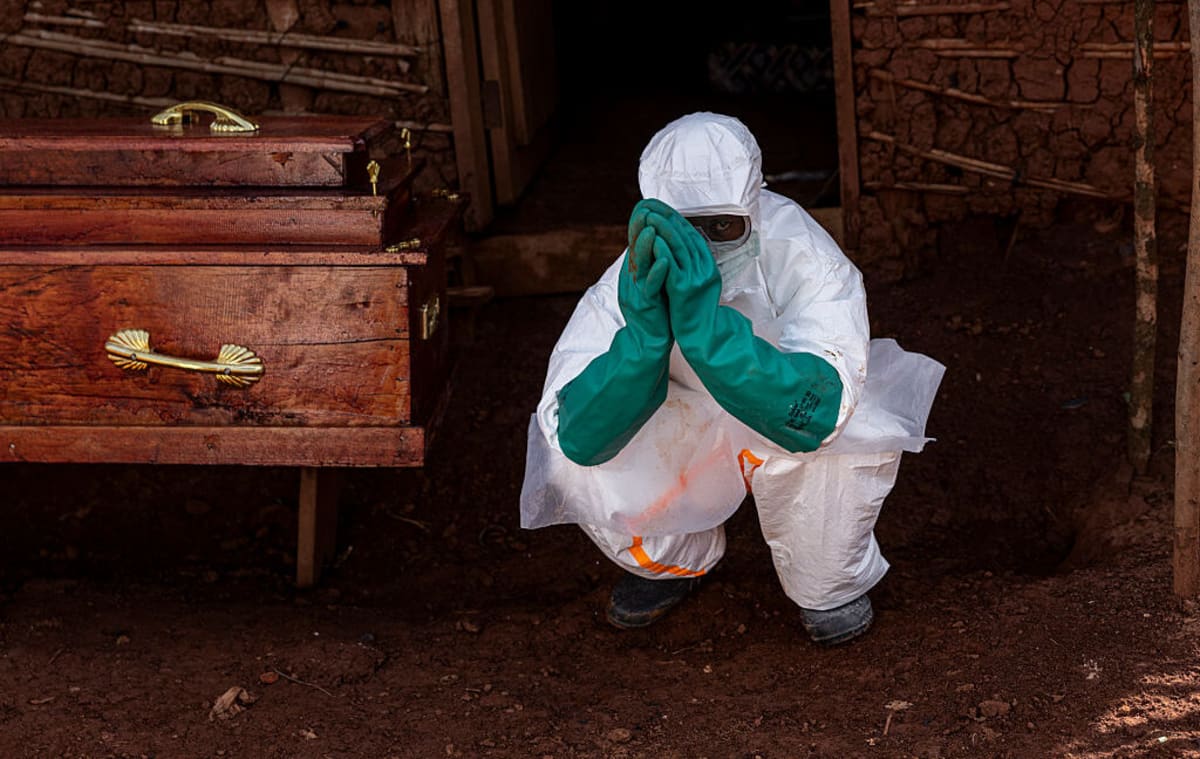
Today's outbreak in the Democratic Republic of the Congo tells a different story. At least 1,000 suspected cases and 238 deaths have been reported so far. The World Health Organization's director general said this week that "the epidemic is outpacing us."
Part of the problem is that early tests failed to catch infections because they were designed for a different Ebola strain. CREID researchers had been developing better diagnostic tools and tests, exactly the kind of work needed now.
"We sit here in San Diego and see this unfold," says Kristian Andersen, an evolutionary virologist who led one of the West African centers. His team used to sequence Ebola genomes during outbreaks to track how the virus spread and evolved. Now they can only watch and talk to colleagues.
The National Institutes of Health provided CREID with roughly $82 million over five years. When the funding came up for renewal in 2025, the centers received a stop work order instead. The research was deemed "unsafe for Americans and not a good use of taxpayer funding."
The likely reason? One of the original centers was run by EcoHealth Alliance, an organization that became entangled in lab leak conspiracy theories because of its connections to a lab in Wuhan, China.
The Ripple Effect
Beyond the immediate Ebola crisis, the loss of CREID represents something bigger. These centers weren't just responding to outbreaks. They were training local health workers, building laboratory capacity, and creating surveillance systems that could spot the next pandemic before it spreads globally.
M. Kariuki Njenga, who led the center covering Eastern and Central Africa, says his team had active studies throughout the region. "We would have been there," he explains. The network would have mobilized multiple centers, sharing expertise and resources across borders.
This kind of international cooperation is exactly what stopped Ebola in Uganda and what's missing now in the DRC. When health workers can identify cases early, trace contacts effectively, and deploy the right tests quickly, outbreaks stay contained.
The researchers haven't given up hope. They're still reviewing data and staying in contact with colleagues on the ground. But without funding, they can't provide the testing, sequencing, and diagnostic support that makes the critical difference between a contained outbreak and a spreading epidemic.
As the current outbreak grows, it stands as a reminder that pandemic prevention isn't just good science, it's an investment that pays dividends the moment the next outbreak emerges.
More Images



Based on reporting by Ars Technica
This story was written by BrightWire based on verified news reports.
Spread the positivity!
Share this good news with someone who needs it