Scientists Recover 42 Lost Pages of Ancient Bible Text
Researchers have digitally reconstructed 42 missing pages from a 1,500-year-old New Testament manuscript using advanced imaging technology. The discovery reveals the oldest known chapter divisions for St. Paul's Letters and offers fresh insight into how early Christians preserved sacred texts.
A team at the University of Glasgow just brought back to life 42 pages of biblical text that disappeared over 700 years ago, using technology that reads invisible "ghost" imprints left on ancient parchment.
The pages belong to Codex H, a sixth-century manuscript containing the Letters of St. Paul. In the 1200s, monks at the Great Lavra Monastery in Greece took the worn book apart, re-inked the pages, and repurposed them as binding material for other manuscripts.
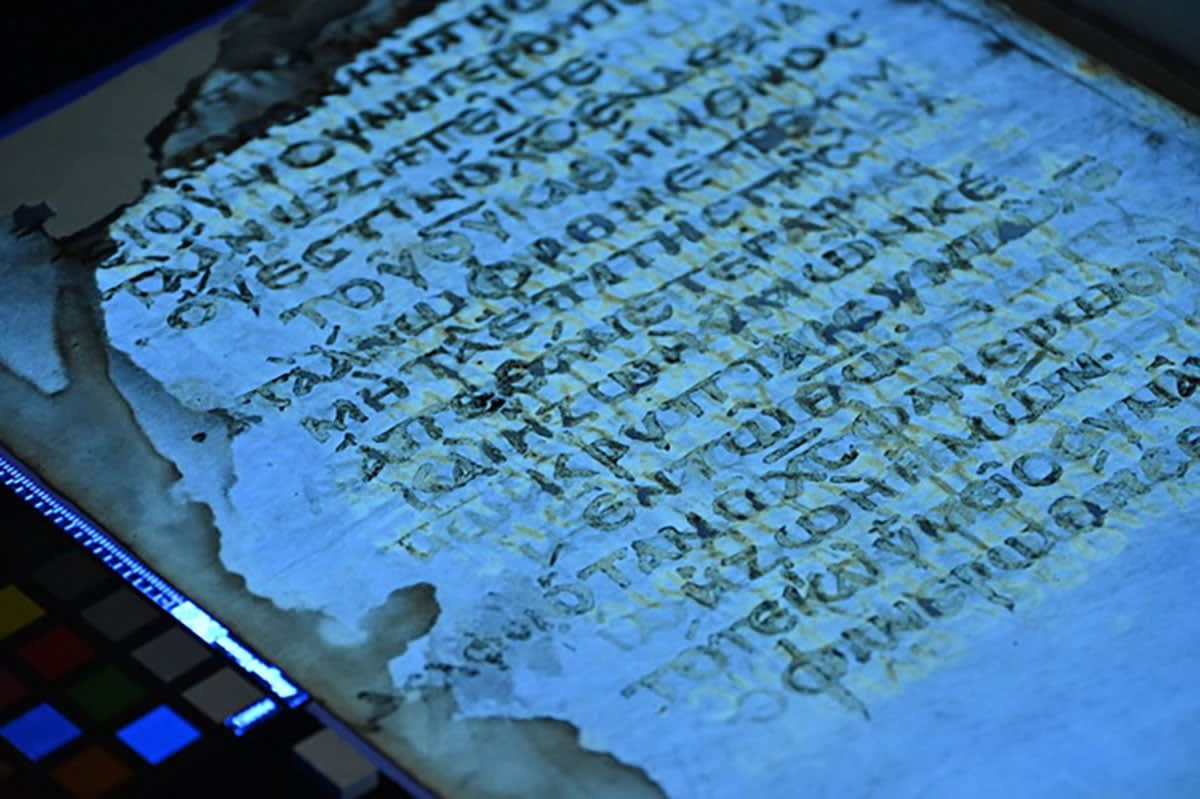
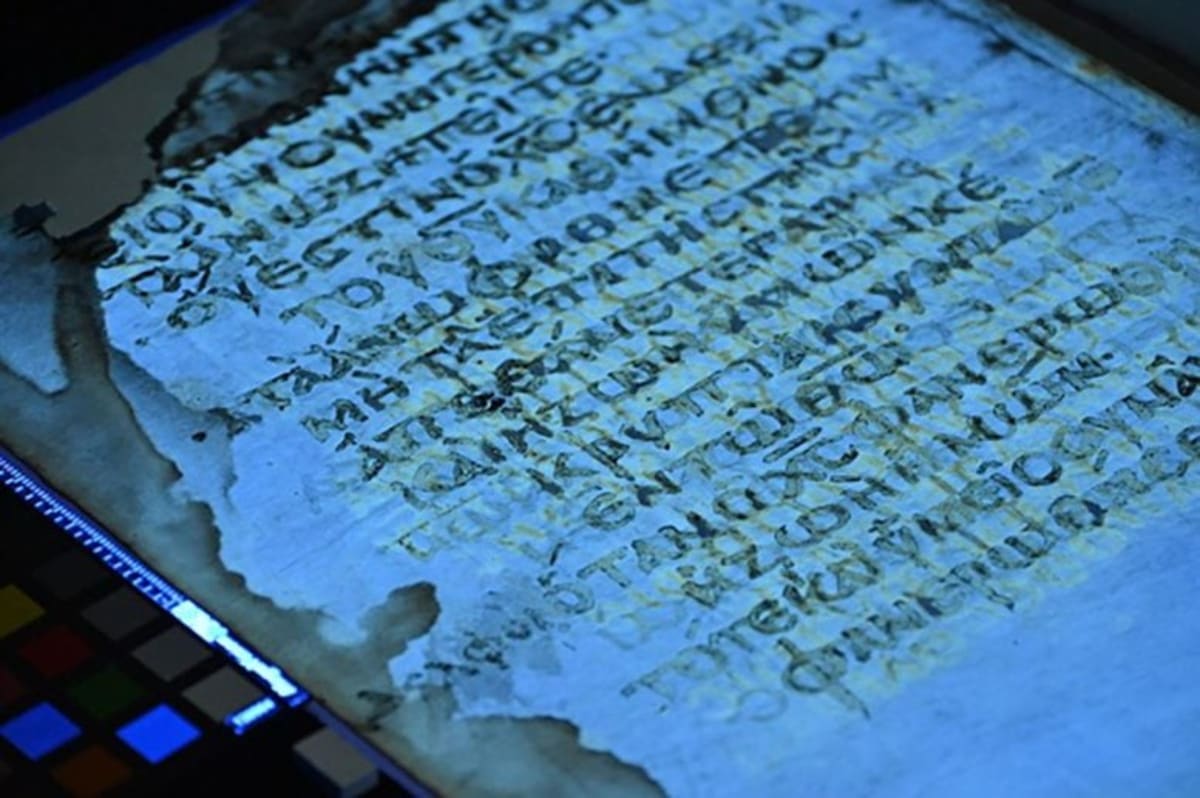
Professor Garrick Allen and his team discovered something remarkable about that re-inking process. The new ink created mirror images on facing pages, like accidentally stamping text onto neighboring sheets. These "offset" traces survived for centuries, invisible to the naked eye but perfectly readable with modern multispectral imaging.
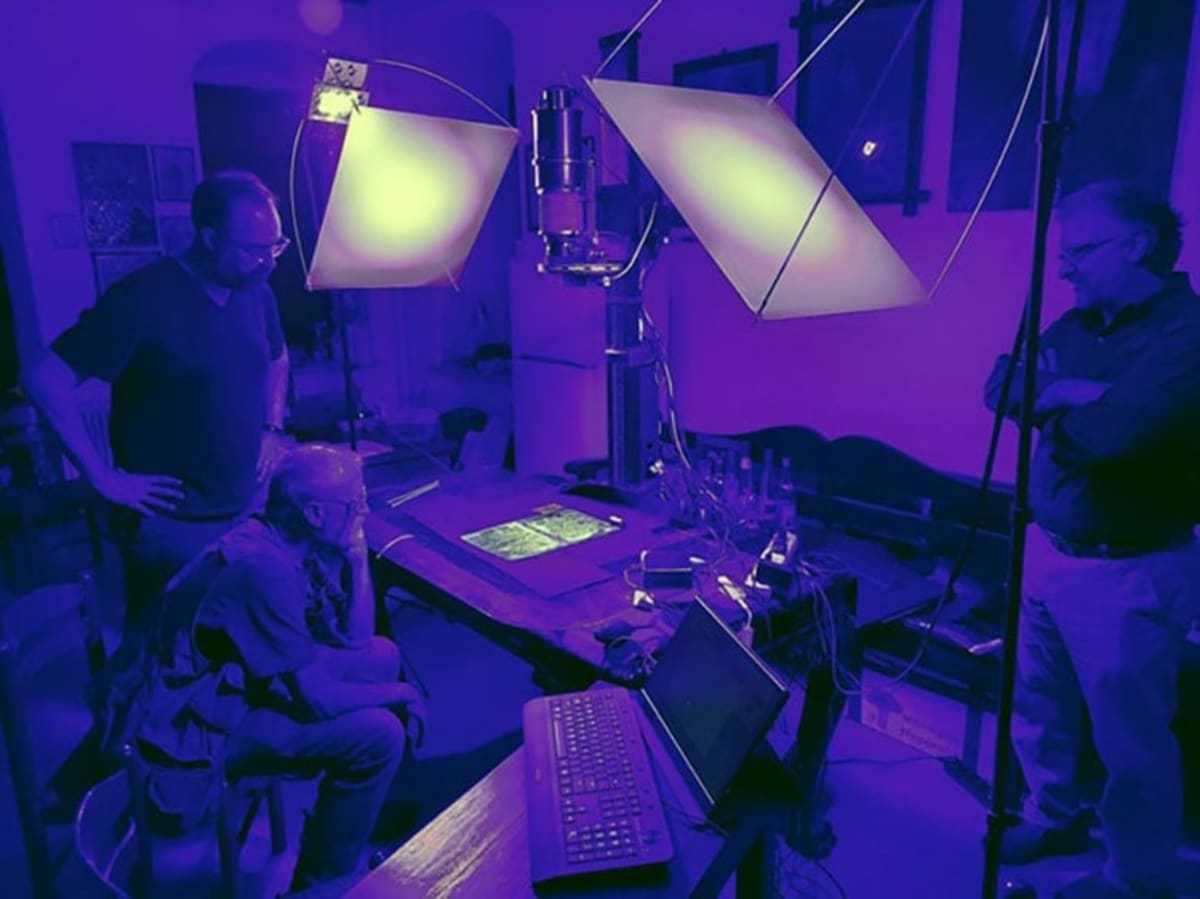
The researchers photographed every surviving fragment of Codex H, which are now scattered across collections in Italy, Greece, Russia, Ukraine, and France. Using specialized cameras that capture light beyond what humans can see, they recovered multiple pages of text from each physical page.
Radiocarbon dating confirmed the parchment dates to the sixth century, making these finds exceptionally valuable. While the recovered text includes already known portions of Paul's Letters, the format reveals something scholars had never seen before.
The pages contain the oldest known chapter lists for Paul's writings. The divisions are completely different from the chapter and verse system we use today, showing how early Christians organized and navigated their sacred texts in ways we'd forgotten.
The fragments also show how sixth-century scribes worked with scripture. Handwritten corrections, annotations, and editing marks reveal these weren't just copyists but engaged readers who interacted directly with the text.
Why This Inspires
This discovery shows us that the past isn't really lost, just hidden. What seemed gone forever was actually there all along, waiting for the right tools to reveal it.
The project also highlights an unexpected form of preservation. By recycling Codex H into other books, medieval monks accidentally protected these ghost images for future generations. Their practical solution to worn manuscripts became an unintentional time capsule.
The recovered pages are now freely available online at codexh.arts.gla.ac.uk, allowing anyone to explore text that hasn't been readable in over seven centuries. Scholars worldwide can now study how early Christian communities understood and organized their most important writings.
Professor Allen calls the discovery "nothing short of monumental" for understanding Christian scripture. Finding this much new evidence from such an important manuscript happens once in a generation, if that.
Ancient words are speaking again after centuries of silence, reminding us that some stories refuse to stay buried.
More Images
Based on reporting by Google News - Scientists Discover
This story was written by BrightWire based on verified news reports.
Spread the positivity!
Share this good news with someone who needs it