Scientists Replace Rare Metal in Screens, Double Lifespan
Korean researchers created transparent electrodes for next-generation displays without using expensive indium, making devices last twice as long. The breakthrough could make screens cheaper and more sustainable while improving solar cells and other technology.
Your smartphone screen just got a sustainable upgrade that lasts twice as long and costs less to make.
Researchers at Sungkyunkwan University in South Korea have cracked a decades-old problem in display technology. They developed transparent electrodes for next-generation screens without using indium, a rare and expensive metal that's been essential to every smartphone, TV, and tablet display for years.
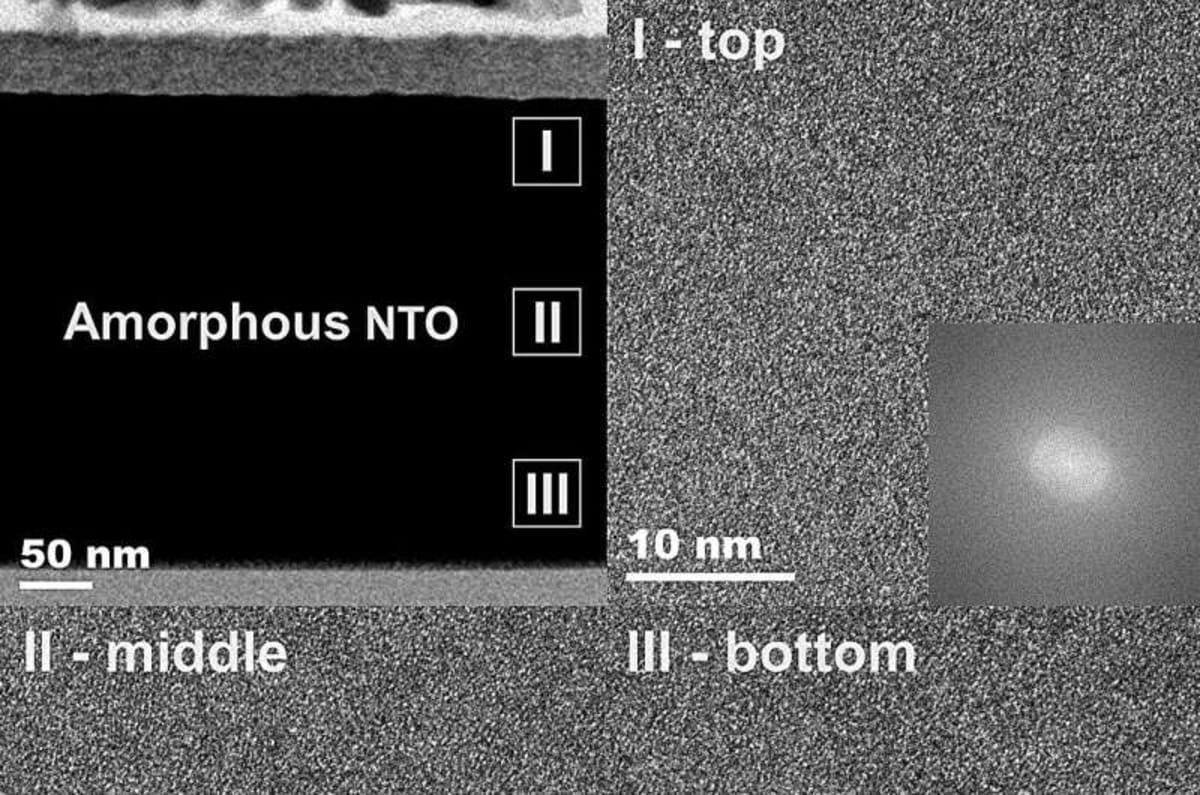
The team, led by Professors Han-Ki Kim and Bo Ram Lee, replaced indium with tin, an abundant material that doesn't break the bank or harm the environment. They used a specialized nano-fabrication process to create nitrogen-doped tin oxide (NTO) electrodes that perform just as well as traditional ones.
The real win goes beyond sustainability. Devices using these new electrodes lasted more than twice as long as conventional screens. The secret lies in the strong chemical bonds formed within the electrode, which prevent metal particles from migrating into the device and causing damage over time.
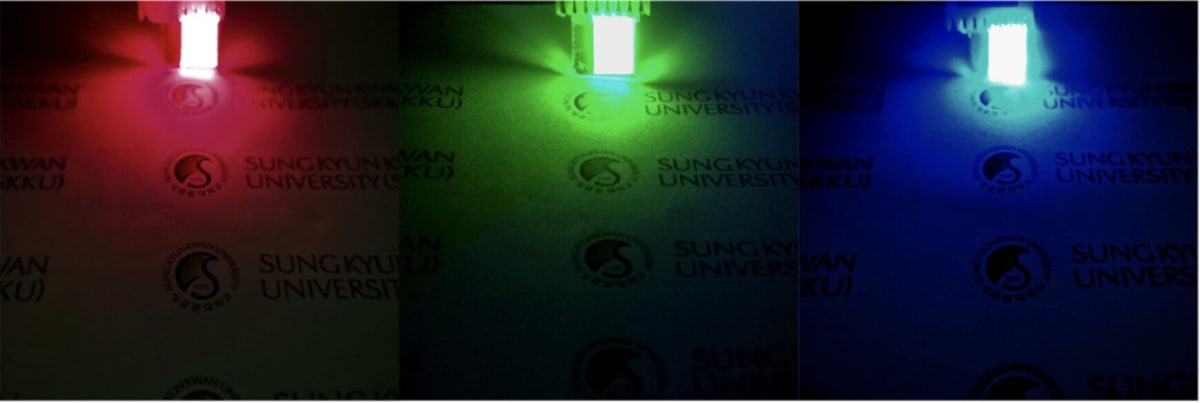
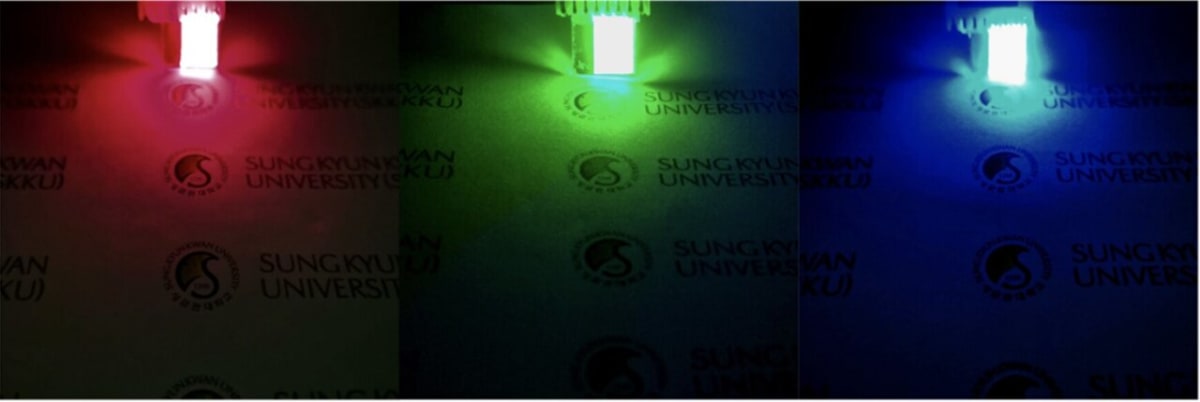
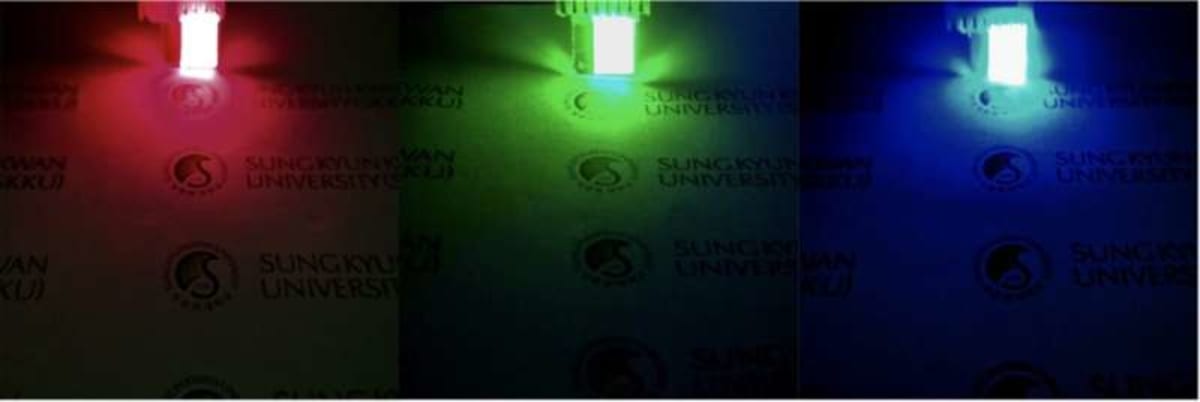
The technology performed brilliantly in tests with perovskite light-emitting diodes, achieving a 20.82% efficiency rating that matches traditional indium-based systems. These LEDs are already gaining attention as the foundation for future display technology because they offer exceptional color quality and flexibility.
The Ripple Effect
This breakthrough reaches far beyond your phone screen. The same technology could revolutionize solar panels, making renewable energy more affordable and accessible. Manufacturing plants can adopt the process easily since it works at relatively low temperatures and scales up for mass production.
The timing couldn't be better. As the world races toward sustainable technology, reducing dependence on rare earth metals has become critical. Indium supplies are limited and expensive, with prices fluctuating wildly based on global demand. Tin offers stability, abundance, and environmental benefits.
Professor Kim emphasized the broader impact: "This work fundamentally addresses the limitations of conventional transparent electrode technologies that rely on expensive rare metals." The research team published their findings in Materials Today, a peer-reviewed journal, ensuring the science stands up to scrutiny.
Companies manufacturing displays, solar cells, and other optoelectronic devices can now access a proven alternative that's cheaper to produce and better for the planet. The technology doesn't just replace what came before—it improves on it, delivering longer-lasting devices that require fewer replacements and generate less electronic waste.
The future of screens just got brighter, greener, and more durable.
More Images

Based on reporting by Phys.org - Technology
This story was written by BrightWire based on verified news reports.
Spread the positivity!
Share this good news with someone who needs it


